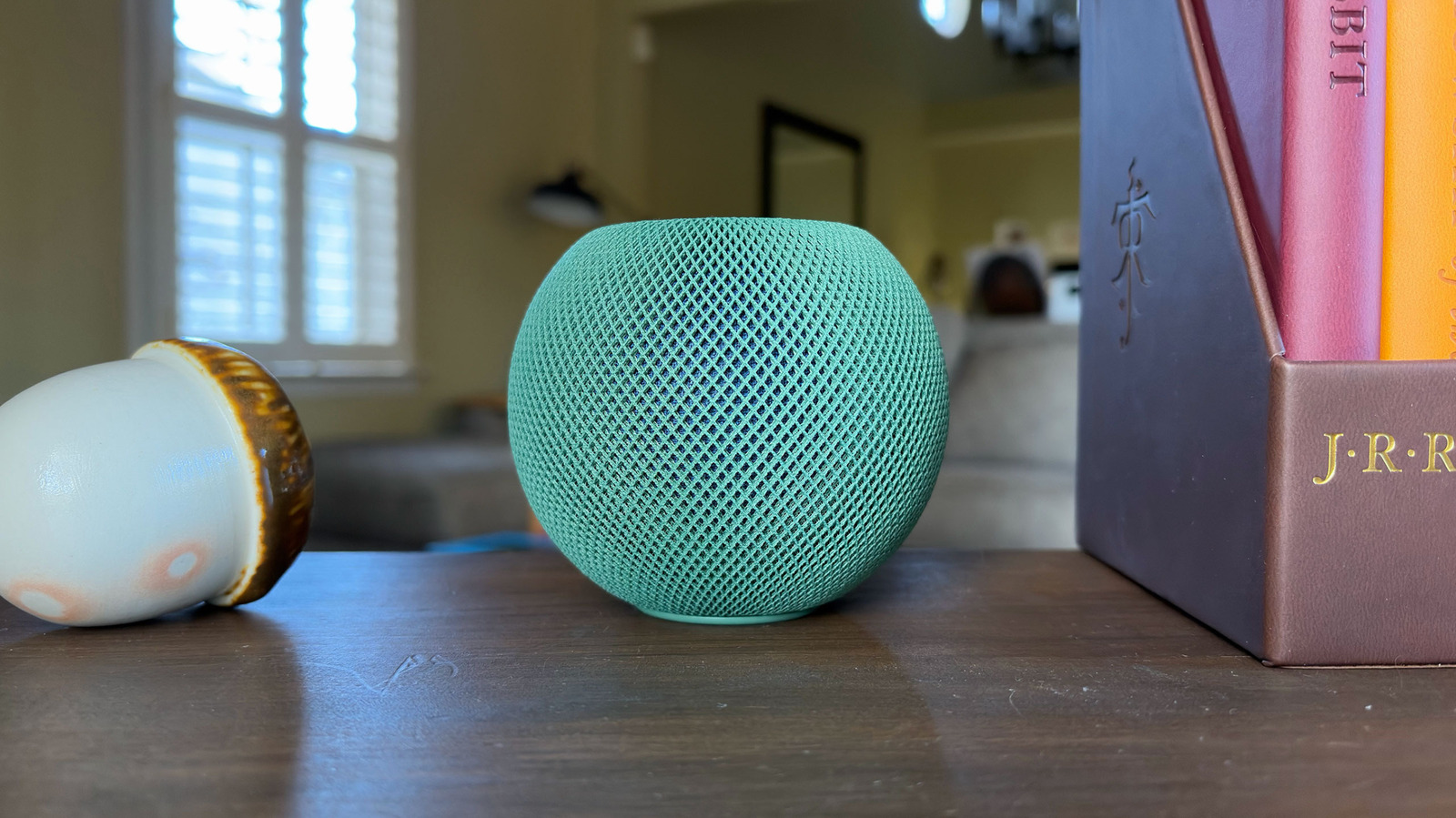
HomePod Mini 2 Review: S10 Chip Ready for Siri AI, Not Yet Supported
The HomePod mini 2 introduces the Apple S10 chip, replacing older S5 silicon to enable real-time computational audio processing and expanded Siri AI capabilities in its latest iteration.
The Tech TL;DR:
- The S10 chip from the Apple Watch Series 10 allows the device to handle real-time music evaluation for optimized dynamic range.
- The Mini 2 ($149) offers improved sound output and persistence, serving as default speakers for Mac devices via expanded functionality.
- New “Sound Glow” lighting reacts to music bass and treble, providing a visual feedback loop for audio performance.
S10 Silicon Replaces Legacy Hardware in Mini 2
The primary architectural shift in the HomePod mini 2 lies under the chassis. Apple has swapped the nearly antique S5 silicon for a modern S10 chip, a component previously used in the Apple Watch Series 10.
According to reporting by Engadget, this upgrade is necessary for the HomePod mini to integrate with the updated Siri AI. This transition is significant, as it moves the device from a mid-2010s equivalent chip to one comparable to a 2024-vintage Apple Watch SE, as Engadget noted.
This hardware evolution isn’t just a performance bump; it addresses core computational bottlenecks required for “advanced computational analysis,” which Apple claims enables real-time music evaluation. The S10 facilitates complex audio processing, optimizing dynamic range, loudness, and acoustic performance.
This capability is further scaled when the Mini 2 is paired with a fourth-gen Apple TV 4K, where four speakers can act as a recognized surround-sound setup. This setup allows the S10 chip to recognize each speaker’s physical position and adjust audio lag and levels accordingly.

| Feature | HomePod mini (Original) | HomePod mini 2 (New) |
|---|---|---|
| Primary SoC | S5 Silicon | S10 Chip (from Apple Watch Series 10) |
| Audio Processing | Standard DSP | Real-time Music Evaluation via S10 |
| Price (Reported) | $129 | $149 |
Audio Performance and Computational Analysis
The acoustic output of the Mini 2 substantially surpasses that of its predecessor. CNET reported that testing the Mini 2 alongside the original Mini and the larger second-gen HomePod revealed significantly greater range and clearer audio in the new model, even at the same volume levels when streaming Apple Lossless audio via Apple Music.
The device now functions as a persistent default output for Mac computers, a major functional shift from previous AirPlay-dependent or temporary audio links. This allows the Mini 2 or a pair of them to handle all system audio, including FaceTime calls and games, without requiring manual session management.
The improved hardware supports the integration of an extra microphone for Siri conversations, giving the virtual assistant the capacity to offer personalized context for queries. However, even with the S10 chip, the assistant’s responsiveness is still being evaluated. Engadget said that while the HomePod mini 2 is ready for Siri AI, the speaker “doesn’t yet support the recently upgraded virtual assistant Apple spent years improving.”
Refining the User Interface with Sound Glow
Visible changes to the Mini 2 focused on the top touch panel, now featuring “Sound Glow.” This feature uses lighting to provide a dynamic visual representation of the audio being processed. Engadget reported that the lights pulse and change hues to complement a song’s album artwork, reacting in real-time to the bass and treble frequencies. For ambient soundscapes, the lights can mimic natural phenomena, such as raindrops.
While Engadget characterized Sound Glow as a “nice use of lighting that was barely utilized previously,” CNET described it as a “disappointing sound glow feature” and a simple “on light” functionality, suggesting limited value. Despite the differing opinions on its utility, Sound Glow represents an expansion of the device’s sensory output beyond mere audio.

# Conceptual API call to fetch real-time audio metadata
curl -X GET "https://api.homemini/v1/audio/status"
     -H "Authorization: Bearer YOUR_AUTH_TOKEN"
     -H "Accept: application/json"
The Mini 2’s Position in the Smart Home Ecosystem
The HomePod mini 2 enters the market at $149, positioning it between the original Mini ($129) and competing devices like Google’s new Home speaker ($100), according to CNET. The added cost reflects the S10 chip integration and the expanded functional capabilities, including the capacity for complex sound setups with multiple units.
The introduction of the Mini 2 also saw a revised color palette, retiring the orange and yellow of the previous generation for pink, green, blue, white, and midnight. This standardization of color schemes aligns with Apple’s more recent product design languages, such as the iMac.
Siri AI Still Not Enabled on HomePod Mini 2 With Latest Software Update https://t.co/tH5cAEAvwB pic.twitter.com/HILV9rJYRY
The challenge remains the maturity of the Siri AI integration. While the S10 provides the necessary computational muscle, the functionality of the assistant itself is still evolving, requiring users to wait for further software refinements to realize the full potential of the hardware upgrade.
The Future Trajectory of Ambient Computing
The S10 chip is not just an incremental upgrade; it’s an enabler. With its new S10 chip enabling real-time music evaluation and support for Siri AI, the HomePod mini 2 offers more than simple command execution.
“I’d be willing to forgive you if you forgot about the new HomePod mini,” said Billy Steele, a reviewer for Engadget.
Always consult with certified IT and cybersecurity professionals before altering enterprise networks or handling sensitive data.