
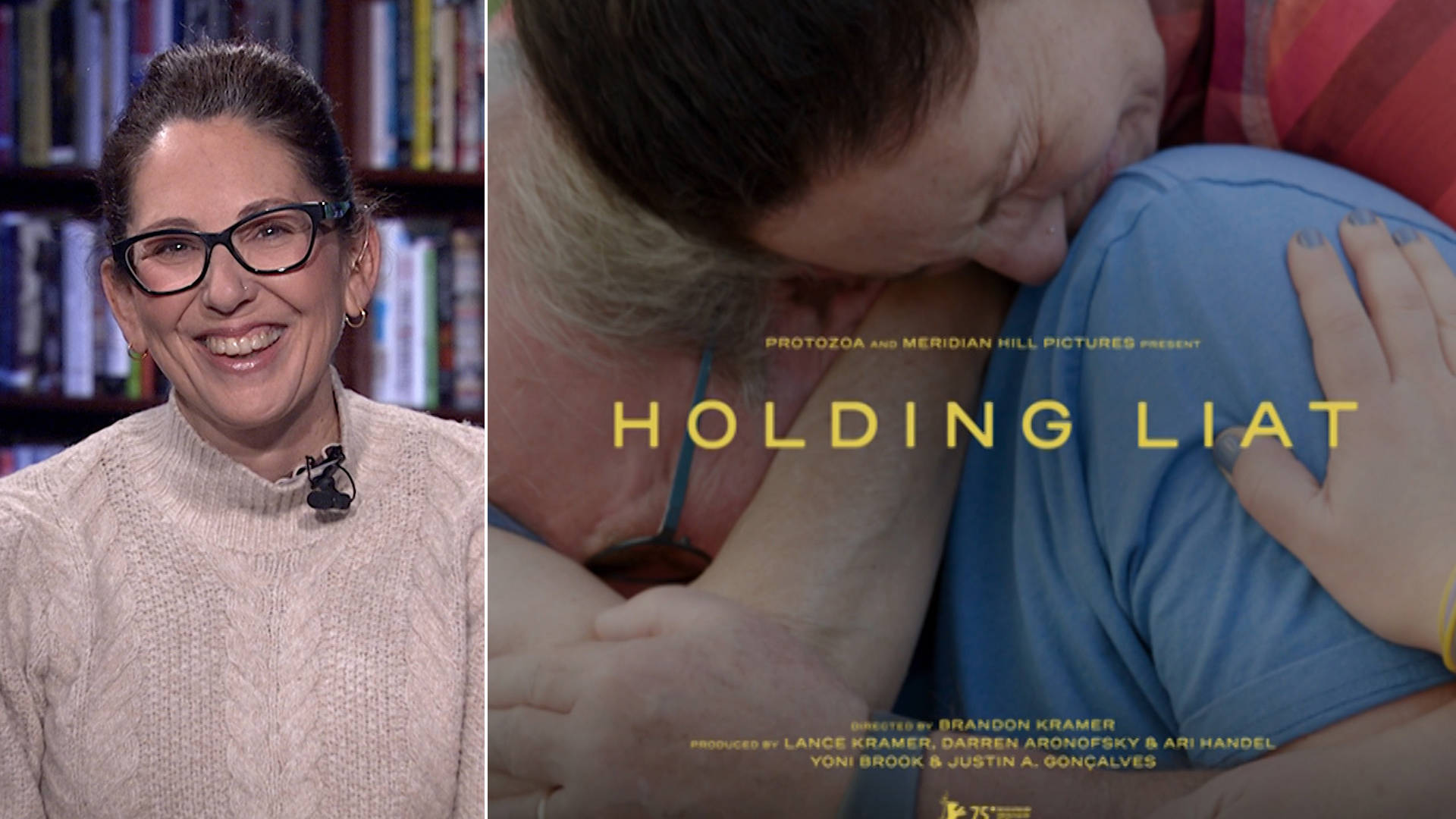
“Holding Liat”: A Family’s Story of Hostage Trauma and a plea for Peace
The documentary Holding Liat, shortlisted for an Academy Award in the best documentary feature category, offers a profoundly intimate look into the harrowing experience of the Beinin family during and after the October 7, 2023, Hamas attack on Israel. The film centers on Liat Beinin Atzili, an Israeli American teacher taken hostage from Kibbutz Nir oz, and the agonizing 54 days her family spent fighting for her release while grappling with the unfolding war in Gaza. A recent interview with Atzili and the film’s director, Brandon Kramer, on Democracy Now! underscored the film’s critical exploration of trauma, family resilience, and a plea for peaceful reconciliation.
The Horrific Events of October 7th and Liat’s capture
On October 7, 2023, Hamas launched a surprise attack on Israel, resulting in the deaths of over 1,200 people and the capture of approximately 250 hostages, including at least 12 U.S. citizens . Liat Beinin Atzili and her husband, Aviv, were among those taken from their home in Kibbutz Nir Oz, a community tragically impacted by the attacks. The film meticulously documents the Beinin family’s desperate attempts to secure Liat’s freedom amidst the chaos and uncertainty of war.
Liat described her initial captivity,stating she was first held by the family of the Hamas member who abducted her. Surprisingly,she reports being treated well by this family,the mother and sister of her captor,for the first 36 hours.She was then transferred to a location guarded by approximately ten Hamas militants,eventually settling with just two guards until her release. She was held with another female hostage, and despite the isolation, they were told their captors were committed to their well-being until a hostage deal could be negotiated.
The Family’s Struggle and Divergent Perspectives
Holding Liat doesn’t shy away from portraying the internal struggles within the Beinin family. The film highlights the different ways family members cope with trauma and navigate the complex political landscape.Yehuda Beinin, Liat’s father, emerges as a central figure, advocating for his daughter’s release while concurrently urging against the use of her captivity to justify further violence. He passionately believes that peace and reconciliation are the most fitting tributes to his daughter and his son-in-law, Aviv, who tragically died during captivity.
As highlighted in the Democracy now! interview, the family’s political viewpoints aren’t monolithic. Joel Beinin, Liat’s uncle and a Stanford professor known for his criticism of the Netanyahu government, offered support while holding differing political beliefs. This internal tension, coupled with the emotional toll of the situation, is powerfully depicted in the film. A poignant moment revealed in the interview shows family members arguing about the best course of action,with one suggesting “putting on a yarmulke” to appeal to certain political sensitivities to aid in Liat’s return.
A Narrative Beyond the Headlines
Director Brandon Kramer explained that Holding Liat was born out of a desire to present a nuanced narrative often absent from mainstream media coverage. He emphasized that the film aims to amplify Yehuda Beinin’s voice, particularly his plea to prevent his daughter’s ordeal from being exploited to perpetuate violence against Palestinians in Gaza. Kramer felt compelled to document the family’s experience and offer a counter-narrative stressing the urgent need for peace and reconciliation, a message that wasn’t widely represented at the time.
The Weight of Uncertainty and Loss
Throughout the ordeal, the Beinin family endured the agonizing uncertainty of not knowing Liat’s fate. Liat herself revealed she was unaware of her husband, Aviv’s, death for the entirety of her 54 days in captivity. This devastating revelation underscores the profound emotional toll exacted by hostage situations and the extended period of grief and anguish experienced by families.
Liat’s recounting of her captivity,as shared in the Democracy now! interview,is particularly powerful. she spoke of relying on the hope that at least her youngest daughter was safe, providing a beacon of strength during those dark days. Her ability to articulate her experiences with such clarity and vulnerability is a testament to her resilience.
A call for Empathy and Dialog
The core message of Holding Liat and the sentiments expressed by Liat Beinin Atzili are a powerful call for empathy and dialogue. Connecting the film to The Voice of Hind Rajab, Liat emphasized that no conflict is truly unsolvable. She underscored the urgent need for people to engage in open communication, actively listen to one another, and strive to understand each other’s stories, believing that without such efforts, violence will continue to escalate. Ultimately, Holding Liat is not just a story of one family’s trauma, but a global plea for peace and a reminder that lasting solutions can be found only through understanding and compassion.
Key Takeaways:
* The Human Cost of Conflict: Holding liat provides a profoundly personal glimpse into the devastating human cost of the Israeli-Palestinian conflict.
* Family resilience: The film highlights the strength and resilience of the Beinin family as they navigate an unimaginable crisis.
* A Plea for Peace: At its heart, Holding Liat is a powerful plea for peace and reconciliation, urging a shift away from violence towards dialogue and understanding.
* The Importance of Nuance: The film challenges simplified narratives, presenting a complex and nuanced portrayal of the situation.
* The Power of Individual Stories: Holding liat demonstrates the power of individual stories to humanize conflict and foster empathy.
