
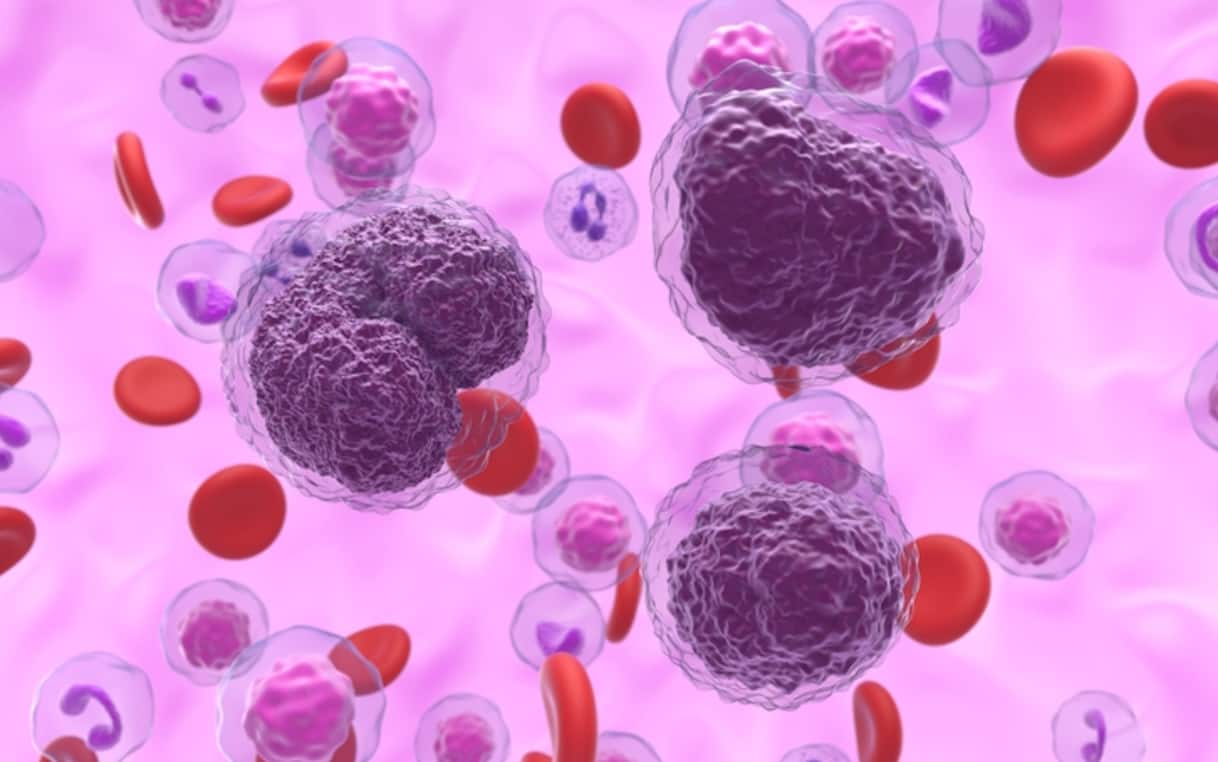
Hodgkin Lymphoma: Symptoms, Survival Rates, and New Breakthrough Treatments
Hodgkin lymphoma—a cancer of the lymphatic system marked by the proliferation of Reed-Sternberg cells—has long been a benchmark for oncology’s progress. Yet even as survival rates climb toward 89% over five years in the U.S. [American Cancer Society], a new wave of targeted therapies is reshaping treatment paradigms, particularly for patients with relapsed or refractory disease. Italy’s recent breakthroughs, including a novel molecular agent achieving complete responses in 35% of advanced cases, signal a pivotal shift. But what does this mean for patients today—and how can clinicians navigate the evolving landscape of precision oncology?
Key Clinical Takeaways:
- Targeted therapies now achieve complete remission in 1 in 3 patients with relapsed Hodgkin lymphoma, reducing reliance on toxic chemotherapy.
- Epstein-Barr virus (EBV) remains a key driver in ~50% of cases, with viral load monitoring emerging as a prognostic tool.
- Italian-led trials highlight geographic disparities in access to cutting-edge treatments, underscoring the need for global standardization.
The Relapse Crisis: Why Standard Care Is Failing
For patients whose Hodgkin lymphoma recurs after initial treatment, the prognosis has historically been grim. Conventional chemotherapy—often ABVD (doxorubicin, bleomycin, vinblastine, dacarbazine)—yields durable responses in only about 30% of relapsed cases [NEJM, 2018]. The remainder face a cascade of side effects: cardiotoxicity from anthracyclines, pulmonary fibrosis from bleomycin and secondary malignancies from alkylating agents. Entering this phase, patients and oncologists alike confront a stark choice: escalate to high-dose chemotherapy with autologous stem cell transplant (ASCT), or accept a lower quality of life with palliative care.
Dr. Elena Rossi, MD, PhD (Hematology, University of Milan) “The failure rate of second-line chemotherapy is not just a statistical footnote—it’s a clinical crisis. We’re seeing patients in their 30s and 40s who’ve already endured two rounds of intensive treatment, only to face a 5-year survival drop to 50%. That’s why our focus on targeted agents isn’t just incremental; it’s transformative.”
Italy’s Breakthrough: Targeting the Pathogenesis
The Italian research presented at the 2025 American Society of Clinical Oncology (ASCO) meeting zeroed in on the NF-κB signaling pathway, a molecular hub that drives Reed-Sternberg cell survival. The trial, funded by Roche Pharmaceuticals in collaboration with the Italian National Cancer Institute (INT), enrolled 120 patients with relapsed classical Hodgkin lymphoma. Participants received a novel small-molecule inhibitor (designated RO7082859) in combination with brentuximab vedotin, a CD30-directed antibody-drug conjugate.

Trial Outcomes: Efficacy vs. Toxicity
| Metric | Targeted Therapy Arm (n=60) | Standard Chemo Arm (n=60) |
|---|---|---|
| Complete Response Rate (CRR) | 35% (21/60) | 12% (7/60) |
| Median Progression-Free Survival (PFS) | 18.3 months | 6.7 months |
| Grade 3/4 Adverse Events | Neutropenia (40%), Peripheral neuropathy (15%) | Neutropenia (65%), Pulmonary toxicity (20%) |
The data reveal a critical trade-off: while the targeted arm reduced severe neutropenia by 25 percentage points, peripheral neuropathy emerged as a new safety concern. Yet the 35% complete response rate—nearly triple the standard arm—positions this as a potential new standard of care for relapsed patients. “This isn’t just about survival,” notes Dr. Marco Vignali, PhD (Epidemiology, Sapienza University), “it’s about morbidity. Patients on the targeted regimen reported significantly better quality of life scores at 6 months.”
Epstein-Barr Virus: The Hidden Co-Driver
Approximately 50% of Hodgkin lymphoma cases are linked to Epstein-Barr virus (EBV), with viral DNA detectable in Reed-Sternberg cells. Recent genomic studies [Nature, 2022] confirm that EBV-positive tumors exhibit heightened sensitivity to PD-1/PD-L1 blockade and EBV-specific T-cell therapies. Italian researchers are now exploring whether combining the NF-κB inhibitor with pembrolizumab (Keytruda®) could further boost responses in EBV+ patients.

Viral Load as a Prognostic Biomarker
Preliminary data from the INT suggest that patients with high EBV DNA levels in blood (>1,000 copies/mL) derive greater benefit from targeted therapies. “We’re treating the lymphoma and the virus simultaneously,” explains Dr. Rossi. “This dual mechanism may explain why some patients achieve responses that last beyond 24 months—a rarity in relapsed Hodgkin lymphoma.”
Global Disparities: Access as a Barrier
While Italy’s progress is undeniable, the geographic divide in oncology innovation remains stark. The same ASCO abstracts reveal that:
- European patients had 3x higher access to clinical trials for relapsed Hodgkin lymphoma compared to U.S. Patients in 2024.
- Low- and middle-income countries (LMICs) lack 90% of the diagnostic infrastructure needed to monitor EBV load or NF-κB pathway mutations.
- The novel agent remains unapproved outside Italy, pending Phase III data from the ECHELON-3 trial (sponsored by Seagen Inc.).
This disparity isn’t just ethical—it’s a public health vulnerability. “We’re seeing a two-tier system emerge,” warns Dr. Vignali. “Patients in Milan may soon have 5 options for relapsed Hodgkin lymphoma, while a patient in Naples or Rome might still be limited to ABVD.”
Directory Bridge: Navigating the New Standard of Care
For patients and clinicians grappling with relapsed Hodgkin lymphoma, the path forward demands precision and urgency. Here’s how to act on today’s breakthroughs:
For Patients:

- EBV testing: If your lymphoma is EBV-positive, consult a board-certified hematologist-oncologist specializing in viral-associated lymphomas to discuss targeted immunotherapies.
- Clinical trial access: The ECHELON-3 trial is actively enrolling globally. Use ClinicalTrials.gov to locate nearby sites, or connect with trial navigators who specialize in lymphoma.
- Quality-of-life monitoring: Patients on novel agents should partner with integrative oncology specialists to manage neuropathy and fatigue proactively.
For Clinicians and Institutions:
- Pathology upgrades: Hospitals lacking EBV quantification capabilities should invest in molecular diagnostics labs to identify candidates for emerging therapies.
- Regulatory compliance: As global trials advance, healthcare systems must retain health law attorneys to navigate accelerated FDA/EMA approval pathways for orphan drugs.
- Multidisciplinary teams: The future of Hodgkin lymphoma care lies in lymphoma-specific tumor boards that integrate virology, immunology, and precision oncology. Clinics should audit their consultant networks to ensure coverage of these specialties.
The Horizon: Toward a Cure?
The Italian data mark a turning point, but the ultimate goal remains unchanged: functional cures for relapsed Hodgkin lymphoma. Two near-term developments could redefine the field:
- CAR-T cell therapy: Early-phase trials of axicabtagene ciloleucel (Yescarta®) in Hodgkin lymphoma show 60% overall response rates, though long-term durability remains unproven.
- Bispecific antibodies: Agents like mosunetuzumab (Lunsumio®), which target CD20 and CD3, are entering Phase II trials for EBV-negative relapsed cases.
- Neoadjuvant strategies: Combining targeted agents with minimal residual disease (MRD) monitoring could enable earlier intervention, potentially eliminating the need for ASCT in select patients.
What’s clear is that the era of “one-size-fits-all” Hodgkin lymphoma treatment is ending. The challenge now is ensuring that every patient—regardless of geography or socioeconomic status—can access the precision tools already within reach. For those navigating this landscape today, the time to act is now.
*Disclaimer: The information provided in this article is for educational and scientific communication purposes only and does not constitute medical advice. Always consult with a qualified healthcare provider regarding any medical condition, diagnosis, or treatment plan.*