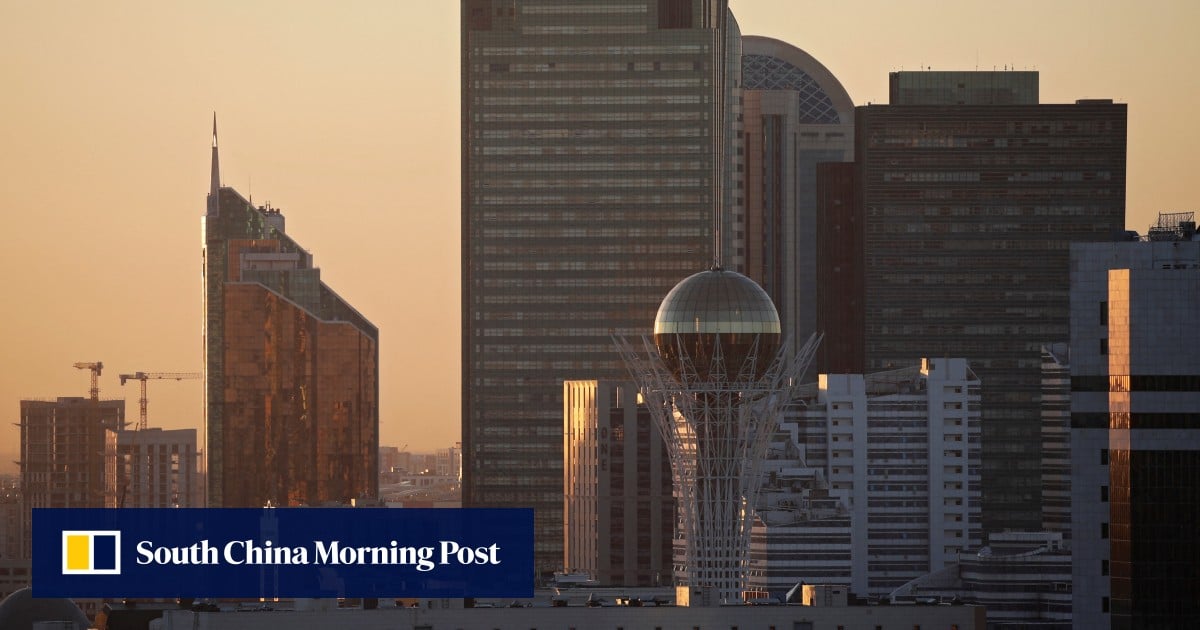
HKEX Targets Central Asian Companies for Secondary Listings to Drive Expansion
Hong Kong’s HKEX CEO highlights Central Asian firms’ potential for secondary listings, citing the city’s deep liquidity and strategic focus on regional expansion. The move underscores Hong Kong’s evolving role as a financial gateway for emerging markets.
The Strategic Push: Hong Kong as a Financial Bridge
Hong Kong Exchanges and Clearing (HKEX) CEO Bonnie Chan Yiting has positioned the city as a critical hub for Central Asian companies seeking secondary listings, emphasizing its deep liquidity and regulatory infrastructure. This initiative aligns with Hong Kong’s broader strategy to strengthen ties with rapidly growing markets in the region, as announced ahead of a high-level delegation trip to Kazakhstan and Uzbekistan in early June.
Chan’s remarks reflect a growing trend of Central Asian issuers exploring international capital markets. The region’s energy-rich economies and expanding private sectors have created a demand for diversified funding sources, with Hong Kong’s financial ecosystem offering a well-established platform for such ambitions.
Historical Context and Market Dynamics
Hong Kong’s role as a financial intermediary is not new. Since the 1990s, the city has facilitated cross-border listings for companies from Southeast Asia, the Middle East, and beyond. However, Central Asia’s entry into this space marks a shift in focus, driven by the region’s resource-driven economies and increasing integration into global trade networks.
The HKEX’s regulatory framework, which balances flexibility with oversight, has attracted issuers seeking to tap into Asia’s largest pool of institutional investors. For Central Asian firms, this presents an opportunity to access capital while maintaining operational ties to their home markets. The city’s proximity to mainland China further enhances its appeal as a gateway for regional expansion.
Implications for Regional Economies
The potential influx of Central Asian listings could bolster Hong Kong’s position as a global financial hub, while also injecting liquidity into Central Asian markets. For Kazakhstan and Uzbekistan, this development could accelerate economic diversification, reducing reliance on raw material exports and fostering innovation in sectors like technology and renewable energy.
Local infrastructure in Hong Kong may see upgrades to accommodate increased trading volumes, particularly in areas like fintech and cross-border payment systems. Meanwhile, municipal laws in Central Asia could evolve to align with international financial standards, creating a more attractive environment for foreign investment.
Expert Insights: Navigating the New Frontier
“Hong Kong’s financial architecture provides a proven model for emerging markets to scale their operations. However, success hinges on addressing regulatory harmonization and building local expertise in international capital markets.”
Legal experts in Hong Kong note that Central Asian firms will need to navigate complex compliance requirements, including anti-money laundering protocols and corporate governance standards. The HKEX’s “automatic waivers” for secondary listings, as outlined in its guidance documents, offer some flexibility but do not eliminate the need for meticulous due diligence.
“The key challenge lies in balancing the speed of listing with the rigor of compliance. Firms must engage with specialized corporate law firms to ensure alignment with both local and international regulations.”
The Directory Bridge: Solutions for Emerging Markets
For Central Asian companies, the path to Hong Kong’s markets requires collaboration with local entities. Investment banks with expertise in cross-border listings can provide critical support in structuring offerings and complying with HKEX requirements. international law firms specializing in securities law will play a pivotal role in mitigating risks associated with secondary listings.
Infrastructure providers in Hong Kong, such as fintech firms, may also see opportunities to develop tools tailored to the needs of Central Asian issuers. These tools could streamline processes like real-time data reporting and investor relations, enhancing the overall efficiency of cross-border transactions.
Looking Ahead: A New Era of Collaboration
The HKEX’s outreach to Central Asia signals a broader shift in global capital flows, with Hong Kong emerging as a linchpin for emerging markets seeking international exposure. As this collaboration deepens, the interplay between regulatory frameworks, market dynamics, and local expertise will shape the success of this initiative.
For now, the focus remains on building robust partnerships and ensuring that Central Asian firms are equipped to thrive in Hong Kong’s competitive landscape. As Chan noted, “The future of global finance lies in embracing diversity and fostering connections that transcend borders.”
HKEX Official Website | Hong Kong Government Press Release | IMF World Economic Outlook