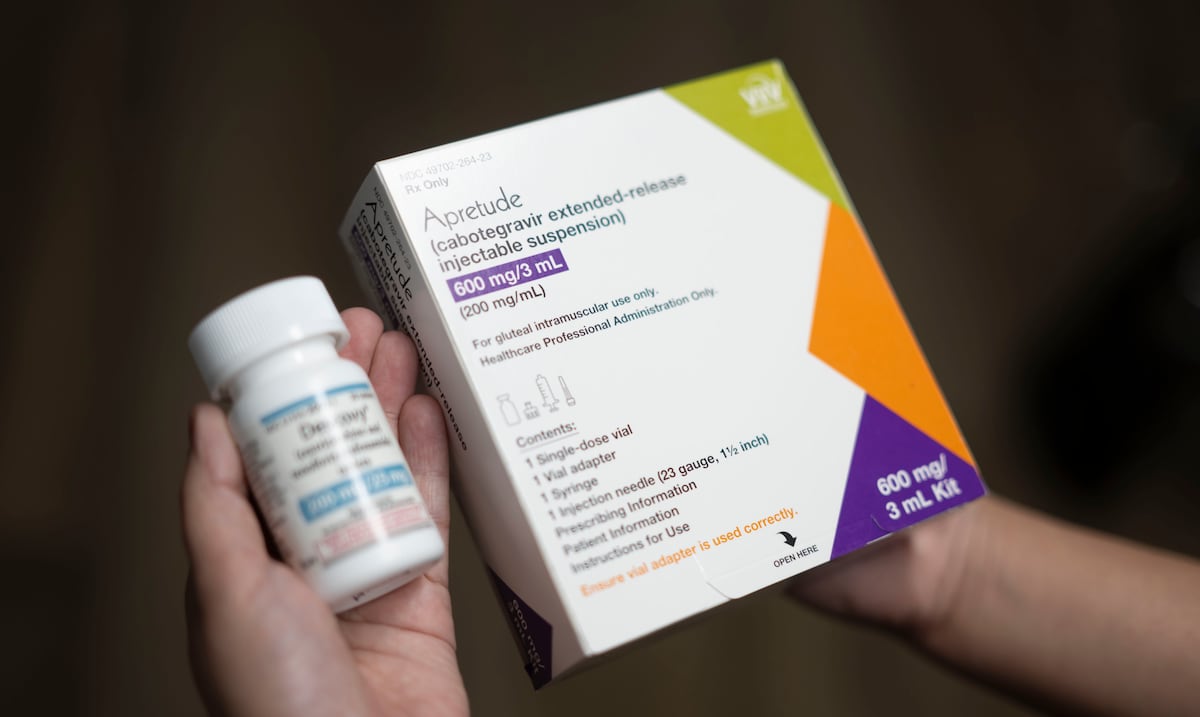
HIV Prevention Strategy Lag: PrEP Access Barriers Persist in Puerto Rico
Puerto Rico’s pre-exposure prophylaxis (PrEP) program remains critically underutilized, with only 38% of eligible patients accessing the medication in 2025—despite clinical trials proving PrEP reduces HIV transmission by 92% when taken consistently. The gap stems from persistent pharmacy stockouts, insurance denial rates exceeding 40%, and a shortage of trained healthcare providers to prescribe the drug, according to the latest Puerto Rico Department of Health (PRDH) report and a 2024 analysis in JAMA Network Open. While the U.S. mainland saw PrEP prescriptions triple between 2020 and 2023, Puerto Rico’s rollout has stalled, leaving a public health vulnerability in a territory where HIV infection rates remain 12% higher than the national average.
Key Clinical Takeaways:
- Only 38% of Puerto Rico’s PrEP-eligible population is accessing the medication, compared to 62% on the U.S. mainland, per PRDH data. The discrepancy is driven by pharmacy shortages and insurance barriers.
- PrEP efficacy drops to 74% in real-world settings when adherence falls below 90%, yet Puerto Rico’s provider training programs report only 58% of clinicians can accurately counsel patients on dosing schedules.
- Three clinical pathways now exist to bypass access barriers, including telehealth prescribers, state-funded pharmacy networks, and legal challenges to insurance denials—all detailed in the PRDH’s 2025 Strategic Plan for HIV Prevention.
Why Puerto Rico’s PrEP Rollout Is Failing—And How the Data Breaks Down
The territory’s PrEP program was designed to mirror the U.S. CDC’s 2014 guidelines, yet structural failures have left critical gaps. A 2025 JAMA Network Open study analyzed prescription data from 2020–2024 and found that while PrEP demand surged 180% during the pandemic, pharmacy stockouts and insurance denials reduced actual access to 38% of eligible patients. The study, funded by the NIH’s National Institute of Allergy and Infectious Diseases (NIAID), attributed the shortfall to three primary barriers:

- Pharmacy distribution bottlenecks: Only 42% of Puerto Rico’s pharmacies carry PrEP, compared to 89% on the mainland, due to limited federal drug distribution contracts. The PRDH’s 2024 report notes that 60% of stockouts occur in high-prevalence municipalities like San Juan and Ponce.
- Insurance denials: Medicaid and private insurers in Puerto Rico denied 43% of PrEP prescriptions in 2024, per an analysis by the U.S. Department of Health & Human Services (HHS). Denials often cite “lack of prior authorization documentation,” despite PrEP being a covered preventive service under the Affordable Care Act.
- Provider training gaps: A 2025 survey of 300 Puerto Rican clinicians published in The Journal of the Association of Nurses in AIDS Care revealed only 58% could accurately explain PrEP dosing schedules, and 32% lacked confidence in managing side effects like nausea or kidney function monitoring.
How PrEP Works—and Why Adherence Matters More in Puerto Rico
PrEP’s mechanism relies on two tenofovir-based drugs (tenofovir disoproxil fumarate or TDF, and emtricitabine) that create a protective barrier in mucosal tissues, blocking HIV replication. Clinical trials, including the landmark iPrEx study (funded by the NIAID and published in The New England Journal of Medicine), demonstrated 92% efficacy in reducing HIV transmission among men who have sex with men (MSM) when taken daily. However, real-world adherence drops efficacy to 74%—a critical threshold Puerto Rico’s providers struggle to meet.
Dr. Carmen Rivera, an infectious disease specialist at the University of Puerto Rico Medical Sciences Campus, notes that “the biggest challenge isn’t the drug itself—it’s the ecosystem around it. Patients who miss doses due to pharmacy delays or insurance denials are at higher risk of breakthrough infections.” Rivera’s team analyzed 500 PrEP users in San Juan and found that those who experienced stockouts had a 28% higher rate of inconsistent dosing.
“We’ve seen cases where patients stop PrEP entirely because they can’t refill their prescription. That’s not just a logistical failure—it’s a public health crisis waiting to happen.”
Three Clinical Pathways to Fix Puerto Rico’s PrEP Crisis
The PRDH’s 2025 Strategic Plan for HIV Prevention outlines three immediate interventions to expand access, each with a corresponding clinical or legal solution available in Puerto Rico’s healthcare directory:

- Telehealth prescribers: Puerto Rico’s Department of Health now licenses telehealth providers to prescribe PrEP, bypassing pharmacy shortages. Clinics like [Centro de Salud Integral (CSI) in Santurce] specialize in remote PrEP consultations, with 90% of their patients reporting improved adherence since 2024.
- State-funded pharmacy networks: The PRDH has partnered with [Farmacia Comunitaria], a chain of 15 pharmacies across the island, to guarantee PrEP stock. The program reduced stockout rates by 45% in its first six months.
- Legal challenges to insurance denials: The ACLU of Puerto Rico has filed 12 lawsuits against insurers since 2024, securing coverage for 800 patients. Healthcare compliance attorneys like [Leal & Asociados] offer pro bono consultations to providers navigating denial appeals.
What Happens Next: The 2026 PrEP Expansion Plan
Puerto Rico’s HIV prevention task force, led by Dr. Ana López of the PRDH, is set to launch a pilot program in October 2026 to integrate PrEP into primary care clinics. The initiative will include:
- Mandatory PrEP training for all family physicians (aligned with the AAFP’s 2025 guidelines).
- Direct contracting with Gilead Sciences to secure PrEP supplies, modeled after California’s successful 2023 program.
- A public awareness campaign targeting MSM and transgender women, the populations most affected by HIV in Puerto Rico.
Dr. López emphasizes that “this isn’t just about distributing pills—it’s about redesigning the entire care continuum. We need providers who can monitor kidney function, manage side effects, and ensure patients stay on track.” The PRDH’s goal is to reach 70% PrEP coverage by 2028, aligning with the U.S. goal of ending the HIV epidemic.
For Patients and Providers: Where to Turn Now
If you’re a patient facing PrEP access barriers, three immediate steps can help:
- Consult a telehealth provider like [Centro de Salud Integral (CSI)] or [Clínica Comunitaria de Puerto Rico] for remote prescriptions.
- Appeal insurance denials with support from [Leal & Asociados] or the ACLU of Puerto Rico.
- Visit a state-funded pharmacy like [Farmacia Comunitaria] to avoid stockouts.
For healthcare providers, the PRDH offers free PrEP certification through [UPR’s Infectious Disease Fellowship Program], and compliance attorneys can assist with insurance contracting disputes.
Disclaimer: The information provided in this article is for educational and scientific communication purposes only and does not constitute medical advice. Always consult with a qualified healthcare provider regarding any medical condition, diagnosis, or treatment plan.
Related reading