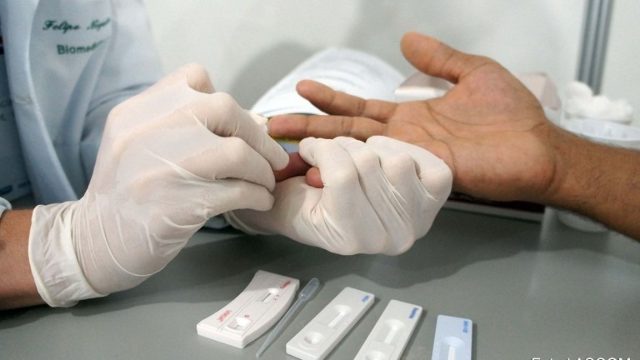
HIV/AIDS in Campo Grande: 75% of Patients Achieve Undetectable Viral Load
Nearly one in every 134 residents of Campo Grande, Brazil, is living with HIV/AIDS, according to data released this week by the city’s Municipal Health Department (Sesau). The figures reveal that 7,170 people in the capital city currently have the virus.
The data indicates a significant level of infection within the population, though health officials emphasize that the majority of those diagnosed are receiving treatment and are able to control the virus. Currently, 6,461 patients are undergoing specialized care, while an additional 709 receive treatment at Basic Health Units throughout the city.
A key finding from the Sesau report is that 75% of patients in treatment have achieved an undetectable viral load, meaning they cannot transmit the virus. This success is attributed to consistent use of antiretroviral medication. However, authorities expressed concern over the 12% of patients – 832 individuals – who have discontinued regular treatment, potentially jeopardizing their health and increasing the risk of transmission.
The specialized care network for HIV/AIDS patients in Campo Grande is centered around the CTA (Testing and Counseling Center), Cedip (Center for Parasitic and Infectious Diseases), and Hospital Esterina. 23 Basic Health Units – including Universitário, Caiçara, Moreninha, Nasser, Silvia Regina, 26 de Agosto, Nova Lima, Itamaracá, Noroeste, Macaúbas, Santa Emília, and Iracy Coelho – provide ongoing care.
The Sesau is actively promoting preventative measures, including the free distribution of condoms. The city likewise offers access to PrEP (Pre-Exposure Prophylaxis), a medication for individuals at higher risk of infection, and PEP (Post-Exposure Prophylaxis), available after potential exposure to the virus, provided it is initiated within 72 hours.
According to the Sesau, 6,200 people living with HIV are registered in the System of Logistic Control of Medications (Siclom). Data from the G1 news portal indicates that in 2023, 449 new cases of HIV were reported in Campo Grande, down from 487 in 2022. Since 2013, there have been 4,048 cases reported in men and 1,309 in women. The Sesau notes a trend of increasing cases among men, mirroring a pattern observed in other Brazilian states.
Health officials stress that early diagnosis and consistent treatment are crucial for maintaining quality of life and a normal life expectancy for those living with HIV. The CTA, located at Rua Anhanduí, 353, in Vila Carvalho, provides rapid HIV testing and access to preventative medications.