Historic Croatia Wildfire Forces Mass Evacuations Near Omis
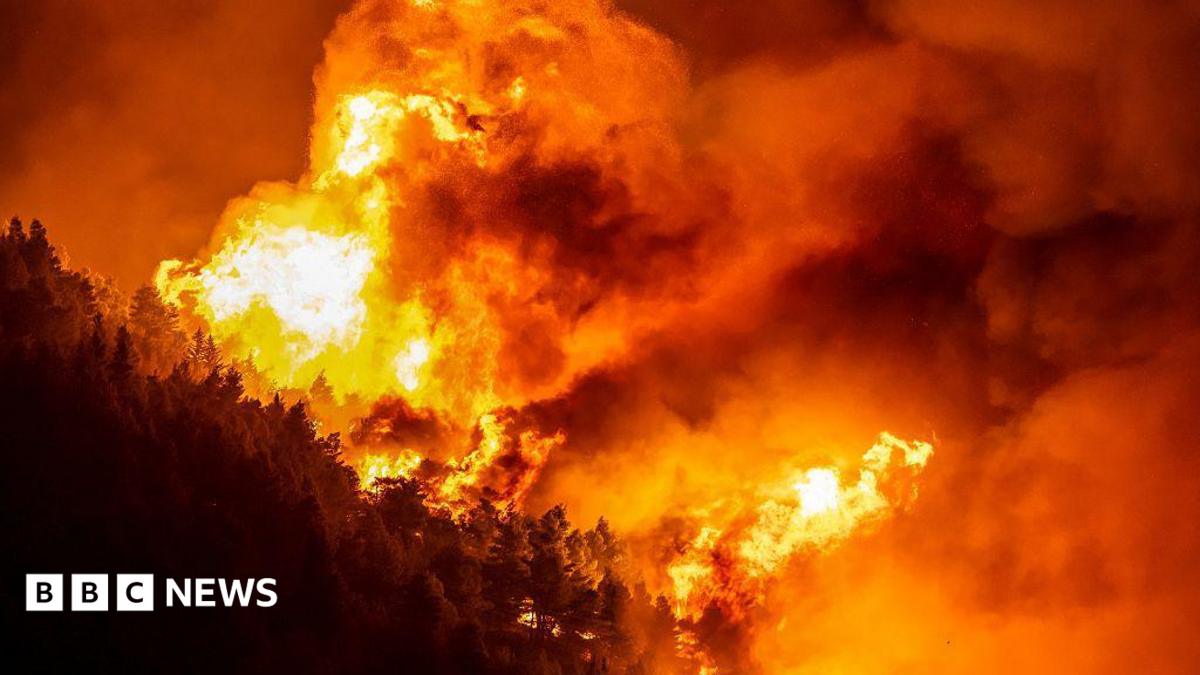
A ferocious wildfire near the Croatian port town of Omis forced the evacuation of approximately 1,000 to 1,200 people and injured dozens, with health officials confirming 36 to 40 individuals treated for injuries and seven in critical condition. Driven by strong winds, the August 2026 blaze consumed over 1,000 hectares of homes, settlements, and dense forest along the Dalmatian coast.
The Night Omiš Turned Red: Anatomy of a Coastal Disaster
Flames swept across settlements and thick timberland along Croatia’s prized Dalmatian coast overnight, turning the night sky a stark red above Omiš. According to officials, the destructive blaze is one of the worst in Croatia’s history. Driven by fierce, erratic winds, the fire descended rapidly on populated areas near the port town, trapping motorists and residents in sudden chaos.
"Everything flared up in a second," Goran Lóvi&c.acute;, the owner of a café near where the fire broke out in Lokva Rogoznica, told the Jutarnji List newspaper. "It just happened all of a sudden, there was an open flame in the part where there is a forest and no houses."
Local resident Ljubica Uglesic described a terrifying escape from the advancing inferno. "The flames were licking both sides of the road. As I drove slightly further around the curve to check, fire was blazing up from beneath my vehicle’s hood. The car was on fire!" Uglesic recounted.
Casualties, Evacuations, and Emergency Response
Emergency medical services in the nearby city of Split, located approximately 25 kilometers to the north, processed dozens of casualties. Health officials reported that out of the 36 to 40 people treated by ambulance crews, 14 were admitted to hospitals, with seven sustaining life-threatening injuries. Authorities confirmed that one charred body was discovered following the overnight rampage.
Emergency shelters were hastily established in several towns stretching from Omiš to Split, accommodating roughly 1,000 displaced residents and tourists overnight. Chief Fire Commander Slavko Tucakovic mobilized a massive response, deploying 286 firefighters, 90 fire vehicles, and four aircraft to combat the disaster. A major coastal highway through the region was temporarily shut down as emergency crews worked to contain the front.
"It was a strong fire, it swept everything on its way… there has been huge material damage," Tucakovic stated, adding that the blaze appeared to have calmed by Friday morning with no open flames remaining. Following the stabilization of the Omiš front, part of the firefighting force and four aircraft were redeployed southward to tackle a secondary blaze on the Pelješac peninsula. Prime Minister Andrej Plenkovi&c.acute; traveled to Omiš alongside several government ministers to inspect the destruction.
Broader European Wildfire Crisis and Infrastructure Pressures
The disaster in Croatia coincides with an extreme continental heatwave that has pushed emergency services to their limits across Southern and Western Europe. Prolonged hot weather and severe drought, which scientists link directly to climate change, created ideal conditions for explosive wildfires throughout the summer of 2026. The Balkans, France, Spain, and Greece have all suffered several heatwaves that threaten peak tourism seasons.

Parallel crises unfolded across the continent as hundreds of holidaymakers were forced to evacuate a beach resort in northern Greece by boat, while a fast-moving village fire in southwest France displaced over 500 residents.
As European nations grapple with compounding climate pressures—ranging from scorched forests to emergency nuclear reactor shutdowns in France triggered by extreme heat and drought and a mass of jellyfish washing up outside one power plant—local municipalities face urgent mandates to upgrade evacuation protocols and emergency response networks.