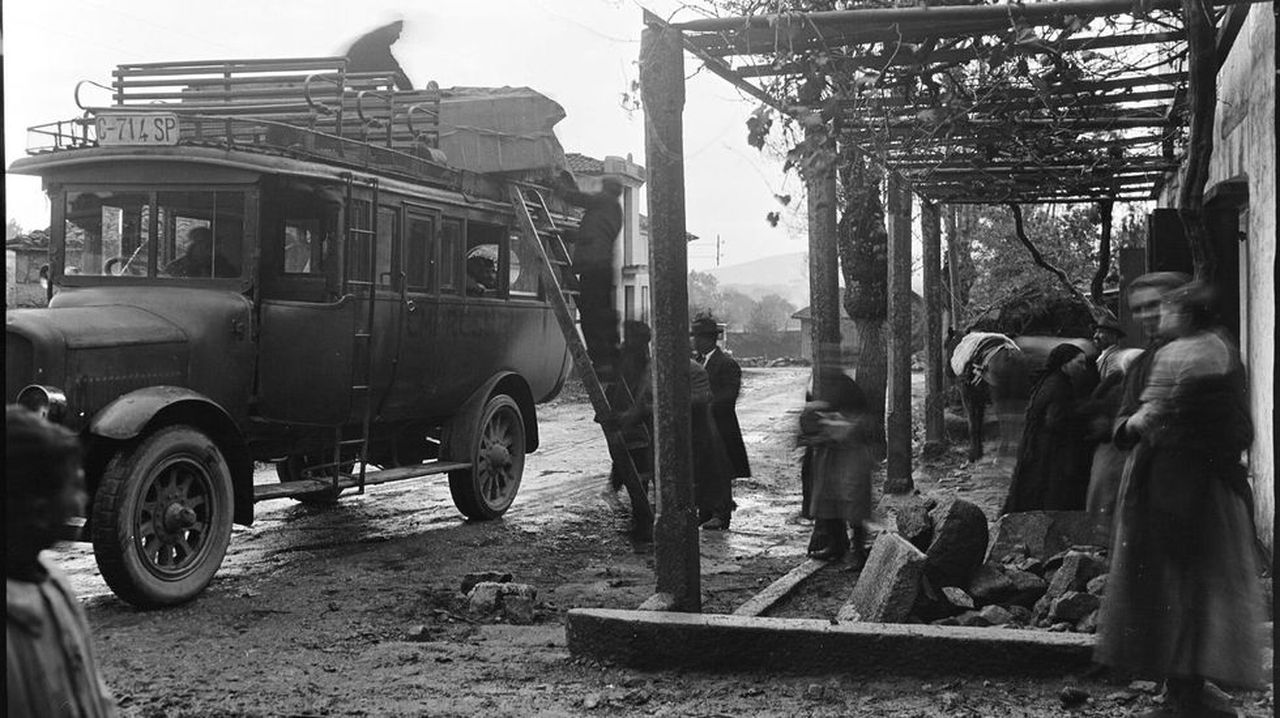
Hispanic Society Digitalizes Ruth Matilda Anderson’s 1920s Galicia Photo Collection
<>
The historic collection, featuring nitrate film and glass plate negatives, has now been fully digitized and published online by the institution.
The newly accessible repository shines a light on a transformative era for rural Spain, preserving a visual archive that spans markets, festivals, and coastal ports. According to archival records from the Hispanic Society of America, the organization was founded in 1904 to promote Hispanic art and culture in the United States. Anderson arrived at the port of Vigo in August 1924 alongside her father, embarking on a meticulous campaign to record the textures of everyday existence before publishing her foundational 1939 monograph, Gallegan Provinces of Spain: Pontevedra and La Coruña.
Inside the Digitized Archive of Ruth Matilda Anderson
The digital collection comprises 3,878 total images of Spain, with nearly a thousand dedicated specifically to Galicia’s distinct cultural footprint. The production relied on original negatives preserved within the museum and library of the Hispanic Society of America, where Anderson later worked as a photographic conservator.
Geographic distribution across the collection highlights deep documentation in key administrative and cultural hubs. Santiago leads the regional count with 80 cataloged pieces, followed by Padrón with 30, Marín with 25, Vilagarcía with 24, and Noia with 23. Scores of other localities—including Vigo, Baiona, Celanova, Lugo, Viveiro, and Ourense—are represented by smaller series documenting street scenes, agricultural labor, and local commerce.
Preserving Rural Identity and Intellectual Property Assets
Every single photograph in the digital catalog is anchored by an official ‘Anderson number’, a tracking marker assigned by the photographer to preserve the exact chronological sequence of her travels. This rigorous cataloging transforms historical snapshots into verifiable archival assets.

As these century-old frames become accessible to researchers and the public online, they secure a permanent place in the digital study of European ethnography, bridging the gap between early 20th-century field expeditions and modern digital humanities.
Disclaimer: The views and cultural analyses presented in this article are for informational and entertainment purposes only. Information regarding legal disputes or financial data is based on available public records.