High Court Quashes Plans for 300 Homes on Cork GAA Land
The High Court has quashed plans for 319 homes on a 15-hectare site in Kilbarry owned by the Cork County GAA Board. The ruling halts a strategic attempt to monetize the landbank to liquidate a €30 million debt, forcing the planning commission to reconsider the entire development project.
This is not merely a setback in zoning; it is a liquidity event. When a sporting organization anchors its solvency to a single real estate play, a judicial reversal transforms a projected windfall into a dormant asset. The Cork County GAA Board was counting on the sale of this land—acquired in the 1960s for playing fields—to erase a substantial €30 million liability. Now, that exit strategy has vanished, leaving the board to navigate a precarious fiscal quarter without the anticipated capital injection.
The failure of this strategic housing development creates an immediate need for sophisticated debt restructuring consultants to manage the board’s existing obligations while the land remains unproductive.
The Anatomy of a Quashed Asset
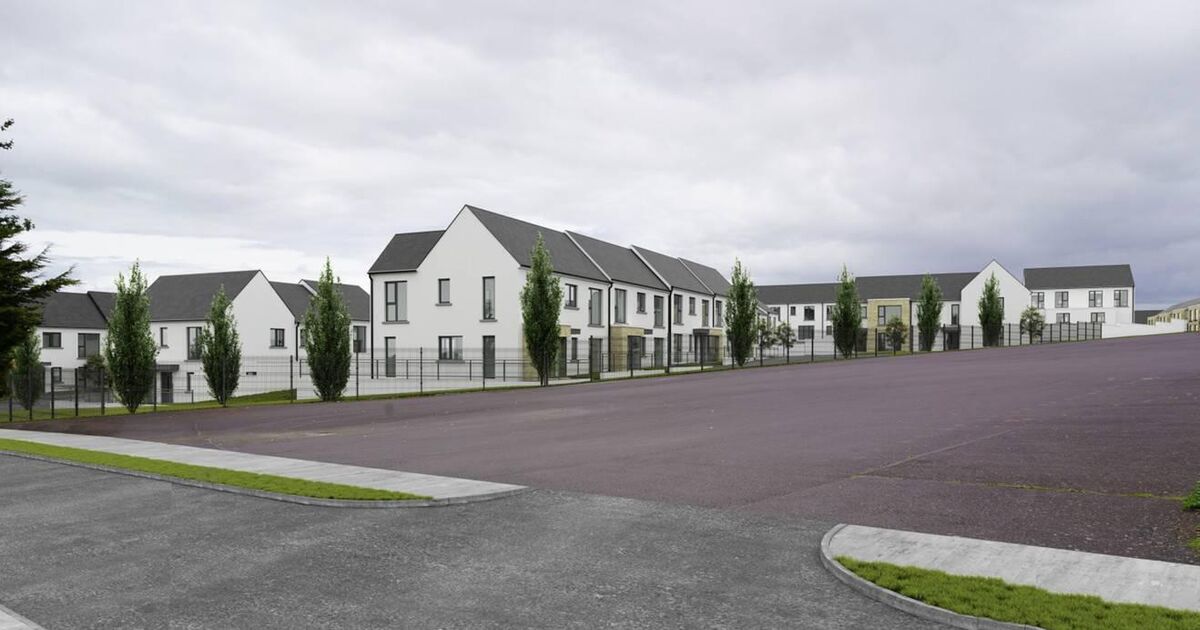
The proposed development was an ambitious mix designed to maximize the utility of the 15-hectare site on Old Whitechurch Road. The blueprint called for 85 three- and four-bedroom semi-detached units, 118 terraced units ranging from two to four bedrooms, 53 duplex units, and 63 apartments. This diversified residential portfolio was intended to capture multiple market segments, ensuring a high valuation upon sale.

The site’s geography added layers of complexity. Bound by the Cork North Business Park to the south and the Glenamought River to the north, the project required the demolition of a disused hurley factory and the construction of a new through road to Delaney’s GAA grounds. These capital-intensive requirements mean that any future iteration of the plan will likely face increased costs due to inflationary pressures on construction materials and labor.
The High Court’s decision to overturn the positive bid from the planning commission effectively resets the clock. The board is now back at square one, facing a planning commission that must once again decide the fate of a project that was already approved by An Bord Pleanála in 2024.
A Pattern of Legal Volatility
The Kilbarry ruling does not exist in a vacuum. It is the latest in a series of high-stakes legal battles that suggest a broader systemic instability within the organization’s operational management. The board is currently embroiled in a negligence suit against John Sisk & Son and Malachy Walsh & Partners regarding the redevelopment of Páirc Uí Chaoimh.
Parallel to the negligence claim, the board is fighting a €1 million bill for electrical works. OCS One Complete Solution Ltd sought additional payment for the stadium revamp, leading the GAA to launch a judicial review. Kevin O’Donovan, chief executive of Cork GAA, argued that the appointment of an adjudicator was of no legal effect because the contract predated the 2013 Construction Contracts Act’s operation in July 2016.
This climate of constant litigation—ranging from construction negligence to contractual disputes over electrical billing—indicates a critical requirement for commercial litigation specialists to insulate the organization from further judicial shocks.
“The appointment was of no legal effect because the contract with OCS was entered into before the 2013 Act came into operation in July 2016.”
Even internal administration has been a source of friction. The recent settlement of a High Court action brought by former Senior Administrator Diarmuid O’Donovan over his termination further underscores a period of organizational turbulence. When a board is fighting its former executives, its contractors, and the High Court simultaneously, the focus shifts from strategic growth to defensive survival.
Macro Implications for the Board’s Balance Sheet
The intersection of the €30 million debt and the quashed Kilbarry development creates a compounding financial risk. The board is effectively “land rich and cash poor,” holding a 15-hectare asset that cannot be converted into liquidity due to legal barriers.

- Liquidity Compression: Without the sale of the 319-home site, the board lacks a primary mechanism to reduce its debt-to-asset ratio, potentially increasing the cost of borrowing for future projects.
- Opportunity Cost of Stagnation: The “dormant” status of the Kilbarry landbank prevents the board from pivoting to alternative revenue streams or investing in current facility upgrades.
- Regulatory Risk Premium: The High Court’s intervention signals that previous approvals from An Bord Pleanála are not bulletproof, adding a risk premium to any future development attempts on the northside of Cork City.
The board now faces a grueling period of re-application and potential litigation. The demolition of the hurley factory and the creation of formalised walking paths are now stalled, leaving the site as a liability rather than a catalyst for financial recovery.
To navigate this, the organization will likely require the expertise of planning and zoning attorneys who can ensure that the next submission to the planning commission is legally airtight and resistant to judicial review.
The Cork County GAA Board is currently a case study in the dangers of over-leveraging against a single real estate event. As the planning commission re-evaluates the Kilbarry site, the board must address its broader legal and financial exposure to avoid a total solvency crisis. The path forward requires more than just a planning permit; it requires a comprehensive overhaul of its fiscal and legal strategy. For firms specializing in corporate recovery and high-stakes litigation, the current volatility in the Irish sporting and real estate sectors presents a clear opening for professional intervention. Those seeking vetted partners to manage similar corporate crises can find expert providers through the World Today News Directory.