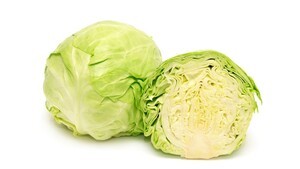
HiDoc Reports 5 Cabbage Benefits: Vitamin K for Bone, Vascular Health
Cabbage consumption offers significant health benefits for bone and vascular health due to its high vitamin K content, according to reports compiled by news.hidoc.co.kr.
The cruciferous vegetable, which also includes broccoli and kale, provides a low-calorie option that is more than 90% water.
According to United States Department of Agriculture data, 100 grams of raw cabbage contains 25 kcal, 76 micrograms of vitamin K, and 36.6 milligrams of vitamin C. Beyond these nutrients, cabbage contains glucosinolates, sulfur compounds that convert to isothiocyanates when the vegetable is chewed or sliced.
Research indicates a strong link between vitamin K intake and bone density. A study published in 2022 in the journal Food & Function by researchers at Edith Cowan University in Australia analyzed 1,373 women aged 70 and older over 14.5 years, according to Hidoc. The findings showed that women consuming approximately 100 micrograms of vitamin K1 daily had a 31% lower risk of hospitalization for fractures and a 49% lower risk for hip fractures compared to those consuming less than 60 micrograms.
“Vitamin K helps strengthen bones and ensures blood clots properly,” Julia Zumpano, a registered dietitian, stated to the Cleveland Clinic health publication Health Essentials.
Cabbage may also play a role in vascular health by inhibiting the calcification of the abdominal aorta. A 2021 study published in the British Journal of Nutrition, also involving Edith Cowan University, compared the cruciferous vegetable intake of 684 women with an average age of 74.9. Those who consumed at least 45 grams of such vegetables daily were 46% less likely to have severe aortic calcification than those who consumed the least.
While cabbage is rich in insoluble fiber, which aids bowel movements, some individuals may experience side effects. “Vitamin K is involved in blood clotting, so if you are taking anticoagulants like warfarin, it is important to keep your intake consistent rather than suddenly increasing or stopping cabbage consumption,” news.hidoc.co.kr noted.
The fiber and sulfur compounds can cause gas or bloating, so those with sensitive digestive tracts are advised to consume cabbage in small, cooked portions.