Hidden Mexican Crypto Farm Exposes Cartel Money Laundering Tactics
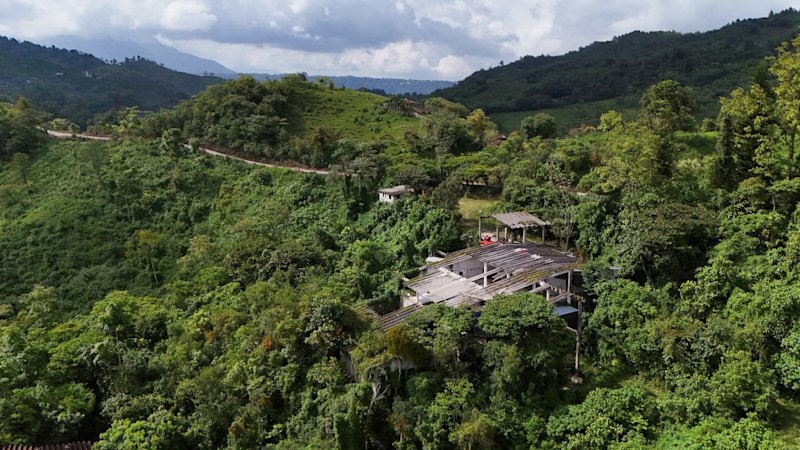
Authorities in Puebla state discovered a clandestine cryptocurrency mining operation on September 8, 2026, hidden in the remote Sierra Norte mountains of Mexico. According to Reuters reporting, the operation featured 300 graphics processing units, 80 medium-voltage terminals, and eight satellite antennae, utilizing stolen power from local infrastructure to launder illicit funds for organized crime.
Mechanical Whirring Betrays Remote Mountain Operation
Nestled in the lush green mountains of Central Mexico alongside a sparsely traveled gravel road, the clandestine crypto farm in Tlaola operated largely unnoticed by passing travelers. Local residents living in neighboring communities, who requested anonymity due to safety concerns, reported hearing a loud, mechanical whirring sound from approximately one kilometer away. Police traced the operation not just through the persistent noise, but by tracking massive power consumption levels that drastically exceeded the demands of surrounding rural villages in the Puebla region.
Investigators found that the facility relied on infrastructure linked to a nearby hydroelectric system to siphon electricity. Samuel Leon, an energy theft expert at Mexico’s Iberoamericana University, noted that stealing power removes the primary operating expense for digital asset generation. With electricity accounting for the single largest cost of minting virtual currencies, bypassing utility bills effectively reduced running expenses to zero.
Cartel Financial Sophistication and Global Crypto Trends
The discovery marks the fourth unauthorized crypto mining installation uncovered in the region since early 2025. Security analysts view these setups as an evolutionary step in how criminal organizations manage capital. David Saucedo, a Mexico-based security analyst cited by Reuters, stated that establishing such a technologically complex infrastructure requires substantial funding and technical expertise typical of major cartel networks.

Federal authorities have maintained strict confidentiality regarding the ongoing investigation, with Mexico’s federal attorney’s office declining immediate comment. Meanwhile, illicit cryptocurrency movements have expanded on a global scale. Blockchain analytics firm Chainalysis reported that criminal-linked wallet addresses received an estimated $154 billion globally in 2025, more than double the $59 billion recorded the previous year. Caio Motta, a Latin American specialist at Chainalysis, explained that criminal groups actively target areas under their direct influence to secure cheap or free power supplies necessary for large-scale digital mining.
Assessing Regional Vulnerabilities and Compliance Solutions
The convergence of organized crime, energy theft, and decentralized digital finance poses significant regulatory and physical security challenges for local municipalities and utility providers.

As federal investigators continue examining the connections between the Tlaola facility and organized crime networks, the case underscores the persistent challenge of policing decentralized financial crimes within remote, geographically isolated territories.