
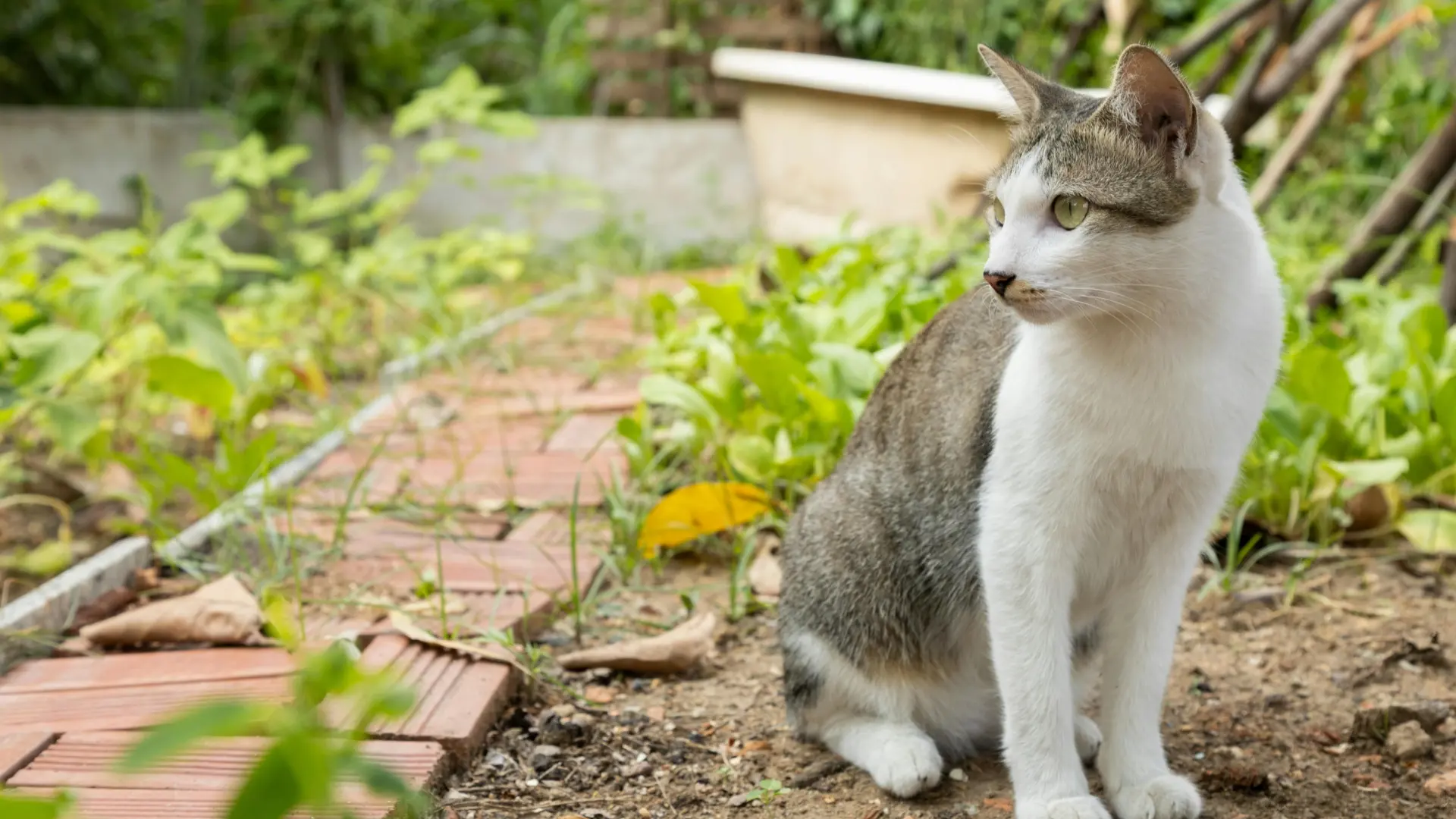
A golden retriever in rural Wales succumbed to internal bleeding earlier this month after ingesting rat poison disguised as palatable feed, prompting renewed warnings from animal welfare organizations about the hidden dangers within homes and gardens. The incident, confirmed by the Royal Society for the Prevention of Cruelty to Animals (RSPCA), underscores a growing concern: common household products, intended for pest control or plant care, are frequently the cause of poisoning in companion animals.
The RSPCA, founded in 1824 and the world’s oldest and largest animal welfare organization, reports a significant number of intoxication cases each year. The organization investigated 141,280 complaints of cruelty and rescued 135,293 animals in 2009 alone. Beyond overt abuse, a substantial portion of these cases involve accidental poisoning from seemingly innocuous substances.
Rat and mouse poisons pose a particularly acute threat. These products often contain anticoagulant compounds, similar to warfarin, which cause progressive internal hemorrhaging. “They are formulated to attract animals,” the RSPCA explains, “which means placing them in high or hidden locations is not a real guarantee of safety.” Similarly, slug and snail pellets, containing the potentially lethal metaldehyde, are attractive to dogs, often resembling dry pet food due to the inclusion of cereals or molasses.
Symptoms of metaldehyde poisoning can appear within an hour of ingestion, beginning with mild tremors and progressing to severe convulsions and hyperthermia, potentially causing irreversible brain damage or death. The RSPCA emphasizes that prompt veterinary intervention is crucial, as delays can be fatal.
The dangers extend beyond pest control. Ornamental plants, both indoors and outdoors, present a hidden risk. Lilies, for example, are highly toxic to cats, capable of inducing acute kidney failure. Other plants, such as castor beans and certain varieties of Brunfelsia, contain toxins that can cause vomiting, fever, seizures, and disorientation.
Even seemingly harmless garden debris can be hazardous. Fruit pits, seeds, and berries can cause severe intestinal obstructions, and some contain toxic compounds. Cocoa bean mulch, a byproduct of chocolate production used as ground cover, is a growing concern. It contains theobromine, the same substance responsible for chocolate poisoning in dogs. The RSPCA warns that the chocolate-like aroma makes it particularly appealing to canines, and high doses can lead to hyperactivity, tremors, seizures, and death. Critically, these products often lack clear warning labels.
Fertilizers also contribute to the problem. While some cause only mild digestive irritation, others contain metals, insecticides, or caustic compounds capable of causing severe poisoning. Organophosphates, in particular, can trigger sudden-onset seizures and pose a life-threatening risk.
The RSPCA advises owners to seek immediate veterinary care if they suspect their animal has ingested a toxic substance, stressing that waiting to see “if it passes” can be a fatal mistake. The organization continues to advocate for clearer labeling of potentially hazardous products and increased public awareness of the risks present in everyday environments.
As of Wednesday, February 11, 2026, the RSPCA has not issued a statement regarding potential legislative action to address the lack of warning labels on cocoa bean mulch and other hazardous garden products, leaving pet owners to rely on vigilance and preventative measures.
