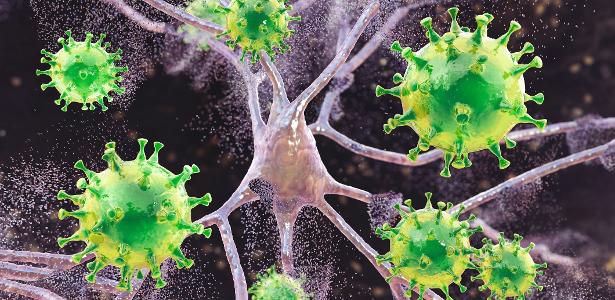
Hidden HIV Risk: Undetectable Viral Load Still Increases Dementia Threat
Even when antiretroviral therapy successfully suppresses HIV to undetectable levels in the bloodstream, patients continue to face an elevated risk of developing neurocognitive disorders and dementia, according to clinical reporting analyzed by UOL in coverage coordinated by columnist Lúcia Helena. Chronic low-grade neuroinflammation and viral persistence within the central nervous system drive this ongoing clinical vulnerability long after systemic viral clearance is achieved.
Key Clinical Takeaways:
- Systemic viral suppression via antiretroviral therapy does not completely eliminate HIV persistence within the central nervous system.
- Patients with undetectable plasma viral loads still demonstrate a statistically significant increase in long-term dementia and neurocognitive decline risks.
- Persistent immune activation and glial cell inflammation within brain tissue are primary drivers of ongoing pathogenesis.
Persistent Central Nervous System Pathogenesis Despite Systemic Suppression
The central nervous system acts as a distinct viral reservoir where standard antiretroviral agents penetrate with varying efficacy. According to clinical evaluations cited by UOL, viral particles and viral proteins can continue to replicate or stimulate immune responses within microglia and perivascular macrophages. This ongoing activity fosters chronic neuroinflammation, leading over time to neuronal injury and progressive cognitive impairment. Clinicians managing long-term survivors must monitor patients closely for subtle signs of HIV-associated neurocognitive disorder (HAND), even when routine blood panels show fully suppressed systemic viral loads.
To address complex neurological symptoms and ensure comprehensive long-term care, patients should consult with specialized neurology and infectious disease clinics equipped to run advanced neurocognitive screenings and evaluate central nervous system penetration profiles of current antiretroviral regimens. Early identification of cognitive decline allows care teams to adjust therapeutic strategies before irreversible morbidity occurs.
Inflammatory Biomarkers and Clinical Surveillance Challenges
The standard of care for HIV management relies heavily on plasma viral load and CD4+ T-cell counts. However, these peripheral biomarkers fail to reflect real-time inflammatory activity occurring behind the blood-brain barrier. Research highlighted in the UOL analysis points to systemic and intrathecal immune activation as the primary mechanism linking well-managed HIV to subsequent neurodegeneration. Cytokines and chemokines released during chronic immune responses accelerate neuronal apoptosis, compounding normal aging processes.
Healthcare providers navigating these intricate diagnostic pathways can partner with vetted diagnostic laboratories and clinical research networks to implement cutting-edge cerebrospinal fluid assays and biomarker panels. For institutional health providers and medical practices seeking to optimize diagnostic protocols against emerging neurocognitive risks, consulting with healthcare compliance and clinical governance advisors ensures that patient monitoring adheres strictly to the latest evidence-based guidelines.
Future Directions in Neuro-HIV Therapeutics
Future clinical trials must prioritize therapeutic compounds designed specifically to cross the blood-brain barrier effectively and target viral reservoirs within glial cells. As longitudinal data continues to map the trajectory of cognitive decline in aging populations with HIV, medical researchers emphasize the necessity of adjunctive anti-inflammatory therapies alongside standard antiretroviral regimens. Mitigating long-term neurological morbidity remains one of the most pressing challenges in contemporary infectious disease medicine.
*Disclaimer: The information provided in this article is for educational and scientific communication purposes only and does not constitute medical advice. Always consult with a qualified healthcare provider regarding any medical condition, diagnosis, or treatment plan.*