Hexavalent Vaccine Could Boost Efficiency of India Immunization Program
Streamlining Delivery for 26 Million Infants
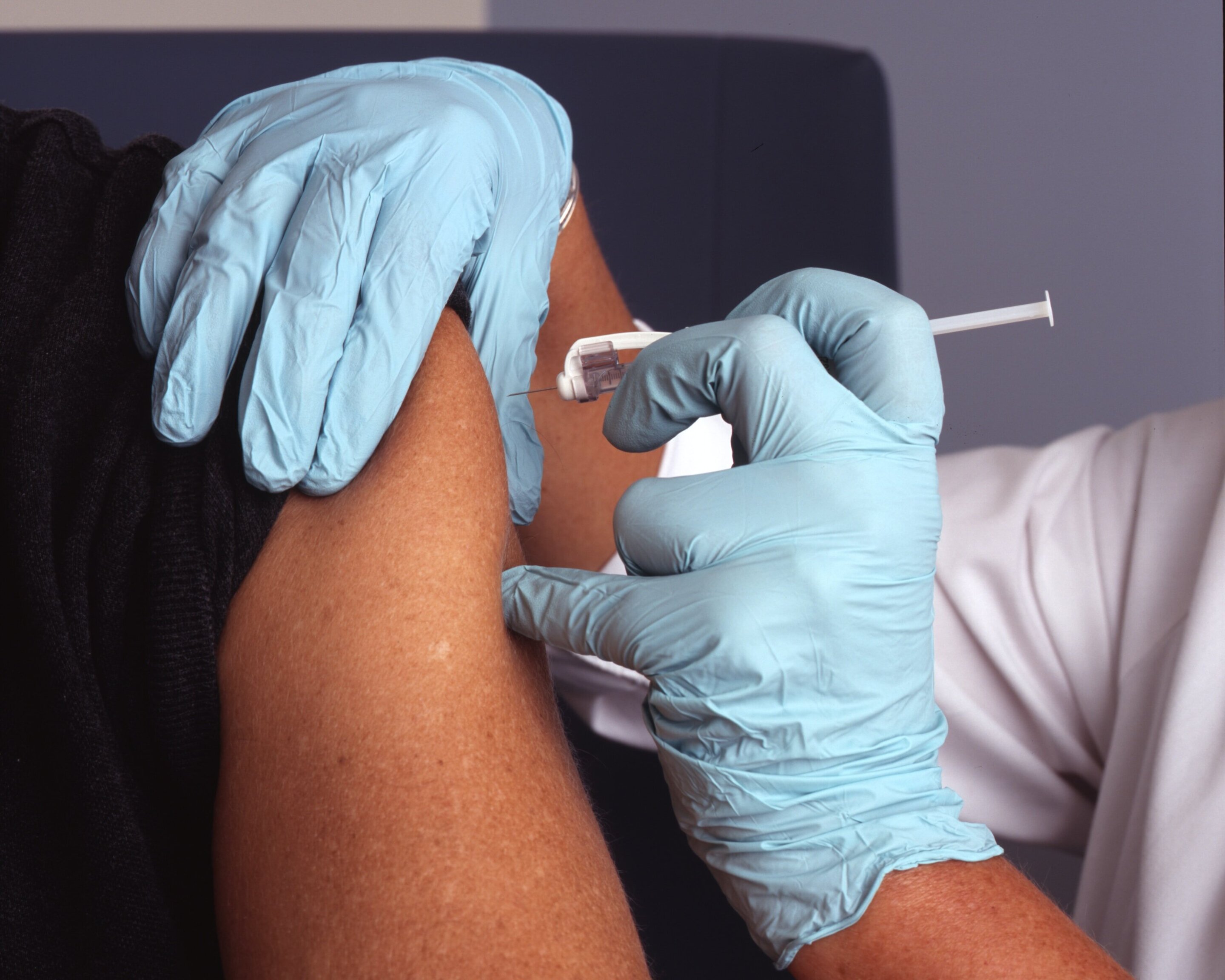
Introducing the hexavalent vaccine into India’s Universal Immunization Programme could significantly enhance operational efficiency, reduce infant injection burdens, and alleviate pressure on frontline health workers, according to a study published in the peer-reviewed journal Human Vaccines & Immunotherapeutics. Released in August 2026, the research indicates that combining protection against six major childhood diseases into a single shot alters the delivery logistics for the nation’s approximately 26 million annually vaccinated infants.
Consolidating Protection Against Six Major Diseases
Key Clinical Takeaways:
- The hexavalent vaccine protects infants against diphtheria, tetanus, pertussis, hepatitis B, Haemophilus influenzae type b (Hib), and polio in a single inoculation.
- According to the study, vaccine procurement price remains the primary determinant of overall program cost, requiring a targeted reduction to offset acquisition expenses with operational savings.
- Researchers assessed implementation scenarios that replace current pentavalent and fractional IPV doses, noting substantial reductions in cold-chain storage requirements and syringe usage.
The study was led by Dr. Pawan Kumar and Dr. Kapil Singh from the Ministry of Health and Family Welfare, Government of India, alongside Dr. Susmita Chatterjee from The George Institute for Global Health India, Dr. Arindam Ray and Dr. Amrita Kumari from The Gates Foundation, Dr. Homero Hernandez from Gavi, the Vaccine Alliance, and Dr. Arup Deb Roy from John Snow India Private Limited. Investigators evaluated how streamlining immunization touchpoints addresses systemic strains currently shouldered by the public health infrastructure.
Alleviating Strain on Public Health Infrastructure
Under the existing primary schedule, children receive multiple individual shots during routine clinical visits. This multi-dose framework increases administrative tracking requirements for Auxiliary Nurse Midwives, expands cold-chain capacity demands, and extends wait times for parents and caregivers.

“Combination vaccines have long been recognised for simplifying immunisation programmes while improving convenience for families and health systems,” said Dr. Susmita Chatterjee, Program Head – Health Economics at The George Institute for Global Health India, as reported by The George Institute for Global Health. Dr. Chatterjee noted that while upfront procurement costs are higher, the intervention generates crucial systemic efficiencies.
Economic Modeling and Procurement Cost Projections
Economic modeling within the research demonstrates that a 50 percent reduction in vaccine acquisition cost—projected via historical procurement trends—would allow operational savings to surpass additional purchasing expenses. These savings encompass reduced syringe consumption, diminished cold-chain logistics overhead, and optimized labor allocation for immunization managers.
Policy Implications and Clinical Guidance
The findings offer vital empirical data for public health authorities evaluating adjustments to national immunization schedules.
*Disclaimer: The information provided in this article is for educational and scientific communication purposes only and does not constitute medical advice. Always consult with a qualified healthcare provider regarding any medical condition, diagnosis, or treatment plan.*