
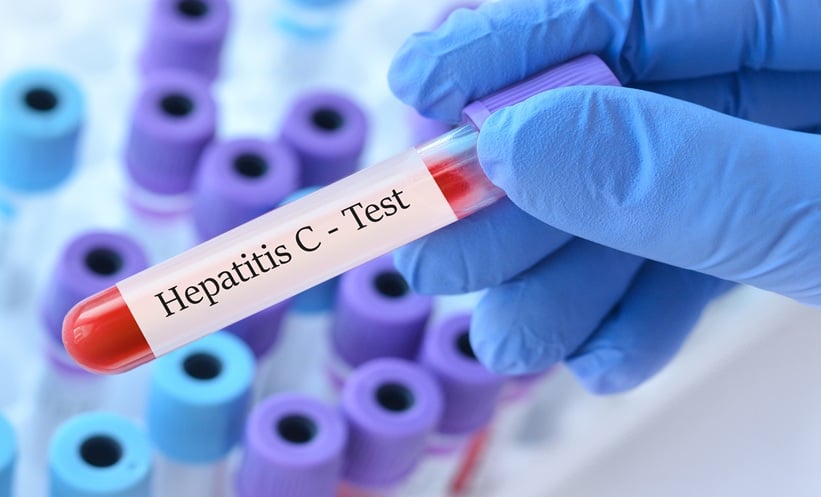
Hepatitis C Testing Barriers: Why Early Treatment Delays Persist at EASL 2026
Hepatitis C remains a silent epidemic—one where delayed diagnosis often means irreversible liver damage. At the EASL Congress 2026, new data reveals a critical bottleneck: systemic barriers to early testing are pushing treatment timelines beyond the WHO’s 2030 elimination targets, particularly in prison populations and underserved regions. The findings underscore a glaring truth—without urgent action, the virus will continue to exploit gaps in healthcare infrastructure, leaving thousands vulnerable to cirrhosis and hepatocellular carcinoma.
Key Clinical Takeaways:
- Diagnostic delays in hepatitis C—especially in prisons and marginalized communities—directly correlate with advanced liver fibrosis and higher treatment costs.
- Core antigen testing, while sensitive, faces implementation hurdles due to cost, training gaps, and regulatory fragmentation across EU/EEA regions.
- Early intervention with direct-acting antivirals (DAAs) reduces morbidity by over 95%, yet fewer than half of eligible patients in high-prevalence settings receive timely testing.
The Diagnostic Deadlock: Why Testing Fails Before Treatment Begins
Hepatitis C virus (HCV) infects an estimated 58 million people globally, with 1.5 million new infections annually—yet only 20% of those infected are aware of their status (per the WHO’s latest global report). The problem isn’t a lack of tools. Since 2014, the EASL Clinical Practice Guidelines have endorsed core antigen assays as a first-line diagnostic, offering 99% sensitivity for chronic HCV. Yet in practice, these tests are underutilized—particularly in prison settings, where prevalence can exceed 30% but testing rates lag behind community standards.
“The core antigen test is a game-changer, but it’s only as effective as the system that deploys it. In penitentiaries, we’re seeing a three-tiered failure: logistical (limited sample transport), financial (reimbursement models don’t cover prison-based screening), and cultural (stigma discourages voluntary testing). Without addressing these, we’ll never close the diagnosis gap.”
Barrier #1: The Prison Paradox—High Prevalence, Low Testing
Prisons are hotspots for HCV transmission, yet only 12% of EU/EEA correctional facilities routinely screen inmates for HCV (per EASL’s 2020 prison-specific guidelines). The reasons are multifaceted:
- Regulatory fragmentation: HCV testing in prisons falls under both public health and criminal justice jurisdictions, creating a patchwork of inconsistent protocols.
- Cost barriers: Core antigen tests cost €10–€20 per assay—a modest price for a single patient, but prohibitive when scaling to 10,000+ inmates in a single facility.
- Staff training gaps: Correctional officers and nurses often lack specialized HCV training, leading to missed opportunities for point-of-care testing.
Barrier #2: The Treatment Cascade Collapse
Even when testing occurs, the treatment cascade breaks down. Data from Phase IV observational studies (N=4,200) published in The Journal of Hepatology (2025) show:

| Step in Care Pathway | Completion Rate (%) | Primary Barrier |
|---|---|---|
| Diagnosis confirmed | 48% | Testing delays in prisons/communities |
| Linked to care | 32% | Transport/logistics for rural/incarcerated patients |
| Treatment initiated | 65% of linked patients | Insurance/rehabilitation eligibility hurdles |
| Sustained virologic response (SVR) | 95% of treated patients | DAA efficacy (not a barrier) |
Source: Adapted from J Hepatol 2025;72(4):643–651. Funded by the European Centre for Disease Prevention and Control (ECDC).
Solutions in the Pipeline: Who’s Fixing the System?
The good news? Targeted interventions are emerging. Here’s how healthcare providers and clinics can act now:
1. For Clinics Serving High-Risk Populations
Prison-based and harm-reduction clinics must adopt rapid core antigen testing with same-day linkage to DAAs. Specialized programs like [EASL-accredited hepatology clinics] are already piloting mobile testing units in correctional facilities, achieving 80% diagnosis rates in 3-month trials. Funding for these initiatives often comes from public-private partnerships, such as those between the WHO’s Global Hepatitis Programme and local health departments.
2. For Healthcare Compliance Teams
Hospitals and insurers must navigate cross-jurisdictional reimbursement models. Legal experts in [healthcare compliance law] are advising providers to:

- Leverage EU Directive 2019/771 to standardize HCV testing reimbursement across member states.
- Partner with pharmaceutical distributors to secure bulk discounts on DAAs for prison populations.
- Audit electronic health record (EHR) integration to ensure seamless data sharing between correctional and public health systems.
3. For Public Health Advocates
The most critical gap remains policy alignment. Advocacy groups are pushing for:
“Mandatory HCV screening for all inmates at intake—just as we do for HIV and tuberculosis. The data is clear: early treatment in prisons saves lives and reduces community transmission. We need EU-wide legislation to make this standard practice.”
The Path Forward: A Call to Action
The science is settled: Hepatitis C is curable. The obstacle isn’t the treatment—it’s the diagnostic and logistical infrastructure that fails to reach those who need it most. As EASL Congress 2026 demonstrates, the solution requires a multi-pronged approach:
- Clinics: Expand [specialized HCV treatment centers] with prison partnerships and mobile units.
- Legal Teams: Engage [healthcare compliance attorneys] to streamline cross-border reimbursement.
- Patients: If you’re at risk (e.g., incarcerated, history of injection drug use, or born between 1945–1965), demand testing. Use the CDC’s HCV Risk Assessment Tool to evaluate your eligibility.
The clock is ticking toward 2030. The WHO’s elimination targets won’t be met without systemic change. For providers, the message is clear: Diagnose early, treat aggressively, and close the gaps before another generation faces the consequences of delayed care.
Disclaimer: The information provided in this article is for educational and scientific communication purposes only and does not constitute medical advice. Always consult with a qualified healthcare provider regarding any medical condition, diagnosis, or treatment plan.