
Henry Borel Murder Trial: Emotional Testimony and Key Case Updates
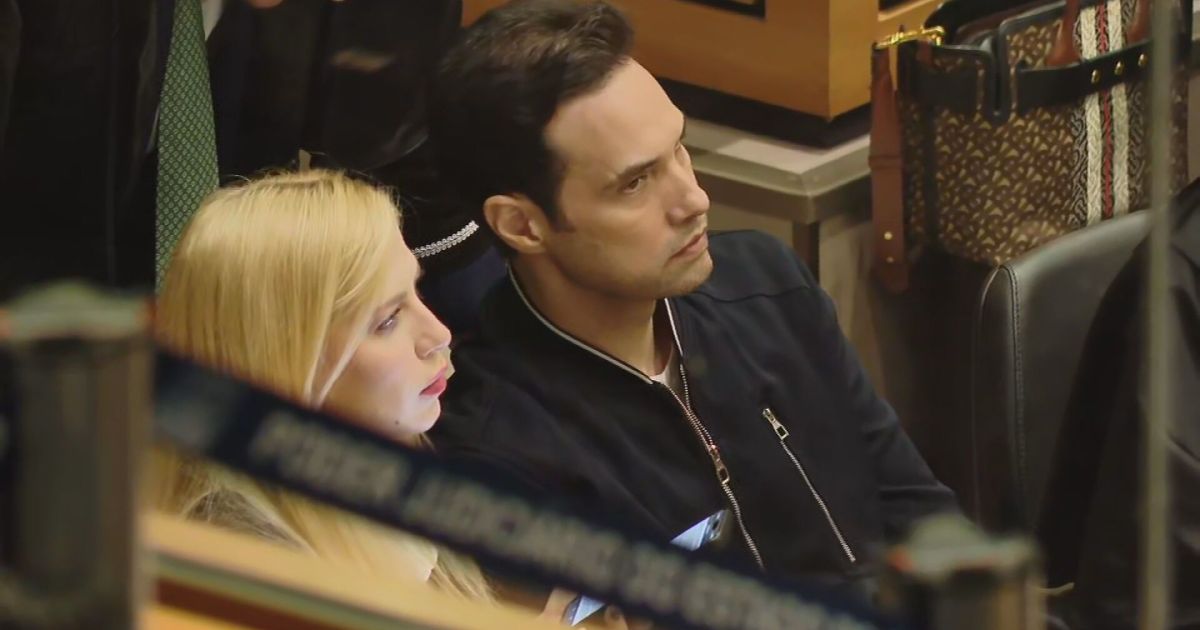
In Rio de Janeiro, the ongoing trial regarding the 2021 death of four-year-old Henry Borel has reached a volatile stage. Former city councilman Jairo Souza Santos Júnior, known as “Dr. Jairinho,” has requested to leave the courtroom prior to the testimony of the child’s father, Leniel Borel, highlighting deep-seated procedural tensions.
The tragedy of Henry Borel has transcended the boundaries of a singular criminal case, forcing a national reckoning in Brazil regarding child protection, judicial transparency, and the integrity of public figures. As the trial moves through its fifth day, the courtroom dynamics reflect the broader systemic exhaustion surrounding cases of domestic violence involving high-profile defendants.
The request by the defendant to be absent during the testimony of the father is not merely a procedural maneuver; it is a tactical assertion of his rights within a legal framework that often struggles to balance the trauma of victims with the due process rights of the accused. For observers and legal experts, this moment underscores the inherent difficulty in managing high-stakes criminal litigation where the emotional weight of the evidence threatens to overwhelm the courtroom environment.
The Procedural Tug-of-War
The decision by the Rio de Janeiro Court of Justice (TJ-RJ) to allow the defendant to testify last—a move that typically grants the accused the advantage of having heard all other testimonies—has drawn significant scrutiny. In legal systems modeled on adversarial principles, this sequence is meant to ensure that the defense can tailor its narrative against the totality of the prosecution’s evidence. However, in cases involving extreme domestic violence, this can feel like an additional layer of trauma for the bereaved.
Leniel Borel’s testimony, marked by visible emotional distress, centered on the final, harrowing moments of his son’s life and the systemic failures that he believes allowed the abuse to occur. The emotional intensity of these proceedings highlights the critical need for specialized support systems, both within the judicial process and for the families left in the wake of such violence. Navigating these complexities often requires the assistance of specialized criminal defense and victim advocacy legal firms capable of managing the intersection of high-profile media scrutiny and sensitive court procedures.
Systemic Vulnerabilities in Child Protection
The Henry Borel case has exposed significant gaps in how municipal and state authorities handle reports of domestic abuse. The reliance on informal networks rather than rigorous, evidence-based reporting protocols remains a structural failure that leaves minors vulnerable. Organizations tasked with oversight are now under immense pressure to reform their investigative workflows.
When the state fails to protect the most vulnerable, the burden of intervention often falls on community-led initiatives and private sector oversight. For families or organizations navigating similar crises, the path forward often involves engaging with child welfare advocacy groups and legal support organizations that provide the necessary resources to ensure that reports of abuse are not only filed but aggressively pursued by the relevant authorities.
“The tragedy of Henry Borel serves as a grim reminder that when public institutions falter, the cost is paid in the lives of the most vulnerable. We are witnessing a judicial system that is being forced to confront its own limitations regarding the protection of children in domestic environments. The focus must shift from political maneuvering to the fundamental, non-negotiable right of a child to be safe.” — Dr. Mariana Silva, Legal Analyst and Consultant on Human Rights Law
The Macro Impact of High-Profile Litigation
Beyond the courtroom, the impact of this trial is felt in the municipal governance of Rio de Janeiro. The political fallout from the involvement of a former city councilman has led to a wider discussion on the vetting of public officials and the ethical standards required for those in positions of power. This case has effectively halted, or at least redirected, various legislative agendas as the city grapples with the fallout of the scandal.
For those interested in the historical context of Brazilian judicial reform, the National Council of Justice (CNJ) provides extensive resources on the modernization of criminal procedures. The Superior Court of Justice (STJ) documents the evolving jurisprudence surrounding domestic violence laws, which remain a cornerstone of the ongoing legal arguments in this trial.
| Focus Area | Systemic Challenge | Proposed Solution |
|---|---|---|
| Judicial Efficiency | Procedural delays in high-profile cases | Digital evidence integration and expedited discovery |
| Child Protection | Failure of reporting mechanisms | Mandatory, transparent inter-agency reporting |
| Public Trust | Perception of elite immunity | Strict judicial oversight and public reporting |
The legal community is also looking closely at the Federal Constitution of Brazil, specifically regarding the rights of the defendant versus the rights of the victim’s family to seek closure. The tension between these two poles is what drives the current, often volatile, atmosphere of the trial.
The Road Ahead
As the trial continues, the focus will inevitably shift toward the final verdict and the potential for long-term legislative change. The “Henry Borel Law,” which aims to increase penalties for crimes against children, serves as a legislative testament to the public outcry this case generated. However, laws are only as effective as their enforcement.

For businesses, legal professionals, and community leaders, the lesson is clear: robust governance and ethical oversight are not optional. When crises occur, the speed and accuracy of one’s response determine the future of the organization or the integrity of the judicial process. Engaging with reputation management and crisis consultancy firms is increasingly becoming a standard practice for institutions seeking to navigate the complexities of public scandals without compromising their core values.
The courtroom in Rio remains a theater of profound human suffering, but it is also a crucible where the future of Brazil’s child protection laws is being forged. As we watch these developments unfold, the primary imperative remains the pursuit of truth, untainted by the political status of those involved. In an era where information is both abundant and easily manipulated, the role of verified, expert-led reporting has never been more vital. When your own organization faces the scrutiny of the public eye or the complexities of legal defense, do not leave your strategy to chance. Consult the World Today News Directory to connect with the professionals equipped to navigate the most challenging of circumstances.