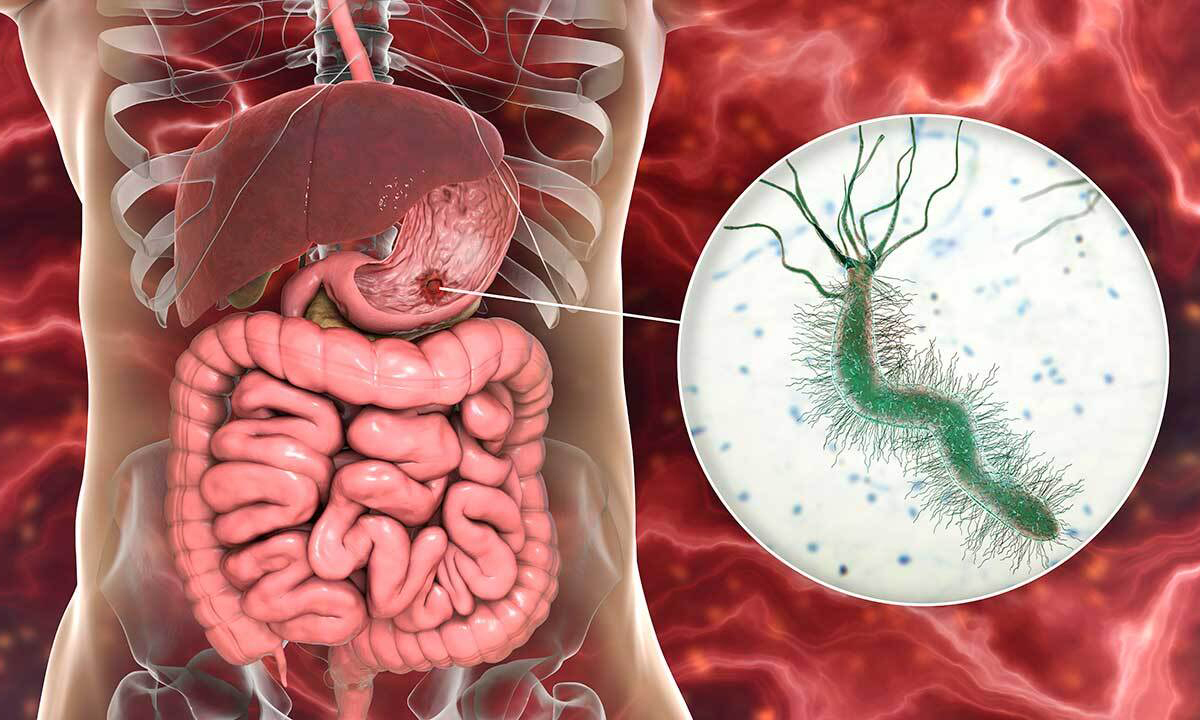
Helicobacter Bacteria Treatment Shows Promising Results for Preventing and Treating Colorectal Cancer
Eradicating Helicobacter pylori (H. pylori) infection, a primary driver of gastric carcinogenesis, may confer a significant secondary benefit: a reduced incidence of colorectal cancer. Recent clinical data suggests that the systemic inflammatory response modulated by this bacterium extends beyond the gastric mucosa, influencing distal gastrointestinal health and highlighting the importance of comprehensive screening protocols in high-risk populations.
Key Clinical Takeaways:
- Evidence indicates that treating H. pylori reduces the risk of developing colorectal polyps and subsequent malignancy by mitigating chronic systemic inflammation.
- Standard-of-care eradication therapy remains the primary intervention for preventing gastric adenocarcinoma, but its protective effect on the colon represents a critical expansion in clinical understanding.
- Patients with a family history of gastrointestinal cancers or persistent dyspepsia should prioritize diagnostic screening through vetted gastroenterology diagnostic centers to assess both gastric and colorectal health.
The Pathogenesis Link: From Gastric Inflammation to Colorectal Risk
Helicobacter pylori is a gram-negative, microaerophilic bacterium recognized by the World Health Organization (WHO) as a Group 1 carcinogen. While its role in the pathogenesis of peptic ulcer disease and gastric adenocarcinoma is well-established, recent epidemiological research has investigated its role as a potential systemic modulator. Chronic infection triggers a persistent inflammatory state, characterized by the elevation of pro-inflammatory cytokines such as IL-8 and TNF-alpha. These markers are increasingly implicated in the micro-environmental changes of the colon that favor neoplastic transformation.
According to longitudinal data, the disruption of the gut microbiome caused by H. pylori colonization may alter the metabolic landscape of the lower gastrointestinal tract. This shift in the gut-brain-microbiome axis is currently a focal point for researchers analyzing how upper-GI pathogens influence distal cellular proliferation. For individuals navigating these risks, specialized consultation with board-certified gastroenterologists is essential to ensure that preventative screenings, such as colonoscopies and urea breath tests, are synchronized for maximum diagnostic yield.
Evaluating the Clinical Efficacy of Eradication Therapy
The clinical standard of care involves a multi-drug regimen, typically combining proton pump inhibitors (PPIs) with antibiotics like clarithromycin and amoxicillin. The objective is the total clearance of the pathogen to allow for the restoration of gastric homeostasis. Emerging studies indicate that patients who successfully complete this regimen demonstrate a statistically significant decrease in the formation of colorectal adenomas—the precursors to colorectal cancer.
Research published in peer-reviewed journals, including studies indexed on PubMed, suggests that the inflammatory burden reduction following H. pylori clearance is not merely localized to the stomach. By lowering systemic markers of inflammation, the body’s immune surveillance mechanisms may better identify and neutralize dysplastic cells in the colon. However, clinicians caution that eradication must be verified by follow-up testing, as antibiotic resistance is a growing concern in clinical practice.
Strategic Triage for Gastrointestinal Health
Managing long-term gastrointestinal health requires an integrated approach that addresses both the immediate symptoms of gastritis and the long-term risks of colorectal malignancy. For healthcare providers, the challenge lies in effectively communicating the systemic nature of H. pylori to patients who may view it as a localized stomach issue. This necessitates a more rigorous application of clinical guidelines, particularly for patients over the age of 45 or those with a documented history of polyps.
Clinical facilities that prioritize a multidisciplinary approach—combining infectious disease expertise with advanced endoscopic screening—are better positioned to manage these complex patient profiles. When clinical findings suggest a high risk of progression, healthcare organizations must ensure that their referral networks are optimized for rapid intervention. Healthcare administrators and clinic managers are encouraged to review their current diagnostic referral protocols to ensure that patients are seamlessly moved from initial H. pylori testing to comprehensive colorectal surveillance when clinically indicated.
Future Trajectory of Gastrointestinal Preventative Medicine
The intersection of H. pylori management and colorectal cancer prevention represents a shift toward more holistic gastrointestinal care. As clinical research continues to define the molecular mechanisms connecting these two conditions, the integration of screening schedules will likely become a standard component of preventative health packages. The focus remains on early detection and the aggressive treatment of modifiable risk factors.
Current clinical guidance underscores that while H. pylori eradication is a proven strategy for gastric cancer prevention, its role in reducing colorectal cancer risk offers a compelling reason for patients to adhere to treatment. As the medical community refines these protocols, the role of patient education and compliance with recommended diagnostic testing remains paramount. Patients are encouraged to consult with their primary care physicians or specialized gastrointestinal clinics to determine if their current preventative health plan includes adequate screening for both H. pylori and colorectal health.
Disclaimer: The information provided in this article is for educational and scientific communication purposes only and does not constitute medical advice. Always consult with a qualified healthcare provider regarding any medical condition, diagnosis, or treatment plan.