
Heavy tilling can leave land susceptible to floods, droughts
For centuries, agricultural tradition dictated that turning the soil was synonymous with preparing for life. Modern geophysics now suggests this intuition may be inadvertently seeding future public health crises. A groundbreaking study published in Science reveals that heavy tilling disrupts the soil’s natural vascular system, creating conditions ripe for extreme flooding and drought. Whereas this appears to be an agronomic issue, the downstream effects translate directly into human morbidity, ranging from waterborne pathogen exposure to respiratory complications from dust storms.
- Key Clinical Takeaways:
- Deep plowing compacts soil pathways, preventing water infiltration and increasing surface pooling.
- Stagnant floodwater elevates risks for bacterial infections and mold-related respiratory issues.
- Real-time fiber-optic monitoring offers a preventive diagnostic tool similar to continuous glucose monitoring.
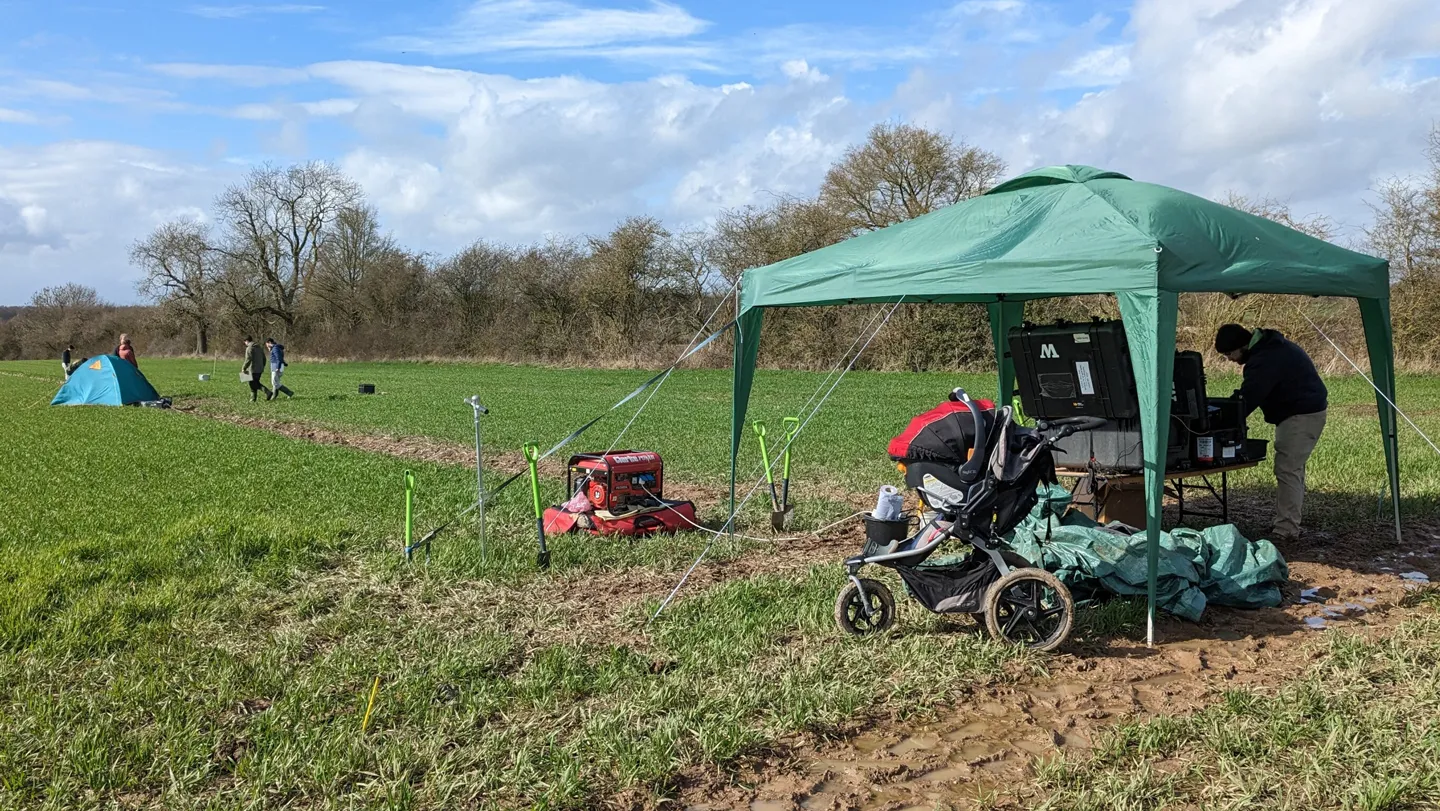
The mechanism of failure lies in the micro-architecture of the earth itself. Researchers led by geophysicist Qibin Shi at the Chinese Academy of Sciences utilized dense arrays of fiber-optic seismic sensors to visualize water movement belowground. Their data indicates that rainwater moves through porous soil via dynamic capillary pressure, functioning much like blood flow through capillaries in human tissue. When heavy machinery compacts the earth, these pathways collapse. Water cannot seep downward; instead, it pools on the surface, evaporates rapidly, or runs off violently.
This physical disruption creates a binary health threat. In wet seasons, compacted soil leads to flash flooding. Standing water is a known vector for leptospirosis, cholera, and mosquito-borne illnesses. In dry seasons, the lack of retained moisture leads to dust generation. Particulate matter from dry, over-tilled fields contributes to ambient air pollution, exacerbating asthma and chronic obstructive pulmonary disease (COPD) in nearby communities. The study, conducted at Harper Adams University in England, tested plots tilled at varying depths up to 25 centimeters. The results were unequivocal: less reworked soil distributed water more evenly, maintaining resilience against climate extremes.
Environmental Determinants of Community Health
Public health infrastructure often reacts to disasters rather than preventing them. This research shifts the paradigm toward preventive environmental medicine. By identifying soil compaction as a risk factor for flooding, we identify a modifiable determinant of health. Just as clinicians monitor blood pressure to prevent stroke, agricultural monitoring can prevent community-wide exposure to hazardous conditions. The fiber-optic sensing technology described offers a scalable solution, providing real-time warnings for natural hazards including earthquake-induced liquefaction and flash flooding.

Environmental health epidemiologists emphasize that land management is a primary intervention point for reducing vector-borne disease burden. Preventing water stagnation reduces the breeding grounds for pathogens before they reach human populations.
The funding for this innovation came through the Chinese Academy of Sciences, highlighting a global investment in geophysical monitoring. Although, the application of this data requires interdisciplinary cooperation. Agricultural engineers must collaborate with public health officials to map high-risk zones. For communities living near intensive farming operations, understanding local land management practices is as crucial as knowing local vaccination rates. When soil resilience fails, local healthcare systems face sudden influxes of patients presenting with flood-related injuries or respiratory distress.
Clinical Triage and Preventive Coordination
Healthcare providers must recognize the correlation between regional agricultural practices and patient presentation. During periods of heavy rainfall, clinics in agricultural zones should anticipate higher rates of soft tissue infections and waterborne gastrointestinal issues. Conversely, during drought conditions triggered by poor soil retention, pulmonologists may notice exacerbated cases of environmental asthma. This necessitates a proactive approach to community health management.
For patients residing in areas prone to agricultural runoff or dust exposure, preventive care protocols should include environmental history taking. Physicians should inquire about proximity to tilled land during intake assessments. Those exhibiting persistent respiratory symptoms despite standard inhaler therapy may benefit from referral to board-certified pulmonologists who specialize in environmental lung diseases. Identifying the external trigger is often the missing variable in managing chronic respiratory conditions.
communities facing recurrent flooding due to land mismanagement require robust infectious disease surveillance. Local health departments should coordinate with agricultural extensions to monitor soil saturation levels. If fiber-optic data indicates imminent saturation, preemptive public health warnings can be issued. Residents in flood paths should be advised to secure potable water sources and avoid contact with standing water. For those exposed to floodwaters who develop fever or rash, immediate consultation with infectious disease specialists is critical to rule out leptospirosis or other zoonotic infections.
The Path Forward for Integrated Health Security
The integration of geophysical data into public health planning represents a significant advancement in preventive medicine. It moves the needle from treating symptoms to addressing root causes. The computer models devised by Shi’s team recreate soil data with high fidelity, allowing policymakers to simulate the health outcomes of different tilling regulations. This evidence-based approach mirrors the rigor seen in pharmaceutical clinical trials, where safety and efficacy are paramount before widespread adoption.
Adoption of low-till or no-till farming methods could serve as a population-level intervention. Reducing soil compaction restores the land’s natural capillary action, allowing water to infiltrate rather than pool. This simple mechanical change reduces the burden on municipal drainage systems and lowers the risk of residential flooding. For healthcare administrators, supporting sustainable agriculture is not merely an environmental stance but a strategic move to reduce emergency department utilization during climate events.
As we refine our understanding of the earth’s subsurface dynamics, the line between environmental science and medical science blurs. Protecting the soil is akin to protecting the vascular integrity of a community. Stakeholders ranging from farmers to hospital administrators must recognize this interdependence. For those seeking to implement comprehensive environmental health strategies within their practice or community, connecting with healthcare compliance attorneys and environmental health specialists can ensure regulatory alignment and risk mitigation.
The trajectory of this research suggests a future where soil health metrics are displayed alongside air quality indices. Such transparency empowers individuals to make informed decisions about their exposure risks. Until then, clinical vigilance remains the primary defense. Providers must remain alert to the seasonal patterns of land management and their corresponding health sequelae. By bridging the gap between geophysics and clinical care, we can build a more resilient healthcare infrastructure capable withstanding the pressures of a changing climate.
*Disclaimer: The information provided in this article is for educational and scientific communication purposes only and does not constitute medical advice. Always consult with a qualified healthcare provider regarding any medical condition, diagnosis, or treatment plan.*