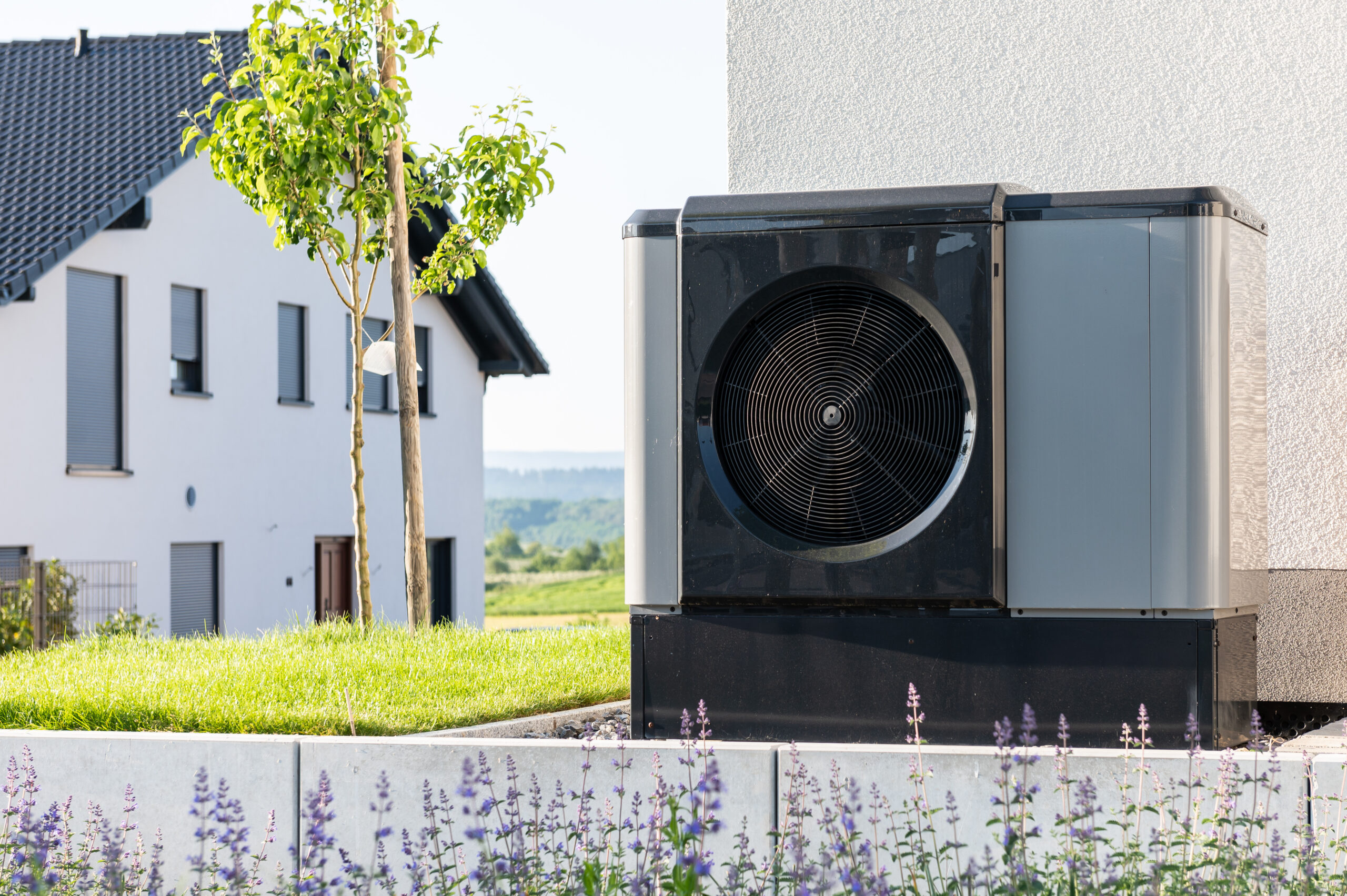
Heating Trends in Baden-Württemberg: The Shift from Oil and Gas in New Buildings
In Baden-Württemberg, nearly 75% of existing residential buildings still rely on oil and gas heating. While modern constructions are rapidly adopting greener alternatives, heat pumps remain a niche product for older homes, creating a significant hurdle for the region’s climate goals and the broader energy transition.
The gap between environmental policy and residential reality is stark. For decades, the architectural backbone of Southwest Germany was built around the reliability of fossil fuels. Now, as the push for decarbonization intensifies, the region faces a logistical mountain: retrofitting millions of existing structures that were never designed for the low-temperature requirements of heat pump technology.
This is not merely a matter of swapping one boiler for another. We see a systemic challenge that involves insulation, radiator upgrades, and a fundamental shift in how homeowners perceive energy.
The Inertia of Fossil Fuel Infrastructure
The dominance of oil and gas in Baden-Württemberg’s existing housing stock is a legacy of historical efficiency and availability. For the vast majority of homeowners, the existing system “just works.” The psychological and financial barrier to transitioning to a heat pump—which often requires significant upfront investment and potentially expensive home modifications—keeps these systems in the “niche” category for existing builds.
While new builds are almost universally integrating sustainable systems, the “existing stock” (Bestand) is where the battle for climate neutrality will be won or lost. The transition is slowed by a complex interplay of high initial costs and a lack of immediate urgency for those with functioning, paid-off oil tanks.
The risk of inaction is not just environmental. As regulations tighten and fossil fuel subsidies vanish, homeowners who cling to outdated systems may find themselves facing plummeting property values or sudden, mandatory replacement requirements.
Fellbach: A Local Snapshot of the Transition
In cities like Fellbach, the transition is visible in the diversity of the local service economy. The shift from traditional boiler repair to complex energy system integration is demanding a new breed of technician. Local providers are no longer just installers. they are becoming energy strategists.
The presence of long-standing firms, such as Mergenthaler Zerweck, which has provided sanitary and heating services in Fellbach since 1898, illustrates the evolution of the trade. The industry is moving from simple plumbing and “flaschnerei” (tank making) toward the installation of sophisticated heat pumps and solar thermal systems.
Navigating this transition is a logistical minefield for the average homeowner. To avoid costly mistakes, many are now turning to professional energy consultants to determine if their specific building envelope can even support a heat pump without extensive renovations.
Local expertise is critical. Providers based in Fellbach understand the regional building codes and the specific geological conditions that affect heat pump efficiency. Whether it is the specialized work of Elektro-Hutter or the comprehensive services of MANFRED GWINNER GmbH, the local infrastructure is pivoting to support this green shift.
The Technical Hurdle: Why Heat Pumps Struggle in Older Homes
The “niche” status of heat pumps in existing buildings is largely a technical issue. Traditional oil and gas boilers produce high-temperature heat, which is easily distributed through old, small radiators. Heat pumps, conversely, are most efficient when providing lower-temperature heat.
To produce a heat pump viable in an existing home, homeowners often face a cascade of necessary upgrades:
- Thermal Insulation: Reducing heat loss so that lower temperatures remain comfortable.
- Radiator Replacement: Installing larger surface area radiators or underfloor heating to compensate for lower water temperatures.
- System Integration: Combining heat pumps with solar thermal systems and intelligent heating controls to maximize efficiency.
This complexity is why the role of the qualified heating contractor has become so pivotal. As noted by industry trends in the region, these experts must now guide clients through a process that begins with consultation and planning long before a single pipe is laid.
For those in Fellbach and the surrounding areas, the availability of a dense network of specialists—including firms like Moosmann Haustechnik and Gebäudetechnik Weber—provides a necessary safety net. These professionals are the bridge between a theoretical climate goal and a warm living room.
The Economic Path Forward
The transition will not happen through mandate alone; it requires an economic tipping point. As the cost of heat pump technology drops and the efficiency of “hybrid” systems improves, the niche will expand. But, the current reliance on oil and gas in nearly three-quarters of Baden-Württemberg’s homes suggests that the pace of change is currently insufficient.
The problem is compounded by a shortage of skilled labor. The demand for sanitary installation experts who are also certified in electrical work and refrigerant handling is skyrocketing. This labor bottleneck further cements the niche status of heat pumps, as homeowners may wait months or years for a qualified installation.
To accelerate this, there is a growing movement toward integrated energy hubs. Instead of a single boiler, homes are being viewed as energy ecosystems where solar panels, heat pumps, and smart grids work in tandem to eliminate the need for fossil fuels entirely.
For more information on comparing local providers and viewing customer ratings, resources like Trustlocal and Das Örtliche offer a starting point for homeowners to find vetted professionals.
The transition from oil and gas is inevitable, but the speed of that transition depends entirely on the ability of the local workforce to scale. The “niche” will only disappear when the complexity of the installation is replaced by a streamlined, standardized process of home modernization.
As Baden-Württemberg continues to push toward its climate targets, the residents of cities like Fellbach stand at a crossroads. The comfort of the old system is increasingly at odds with the requirements of the future. The only way forward is a calculated, professional overhaul of the home’s energy heart. Finding the right expertise is no longer an option—it is the only way to ensure a home remains viable in a post-fossil fuel economy. For those ready to make the leap, the World Today News Directory remains the definitive resource for connecting with the verified professionals capable of managing this complex evolution.