
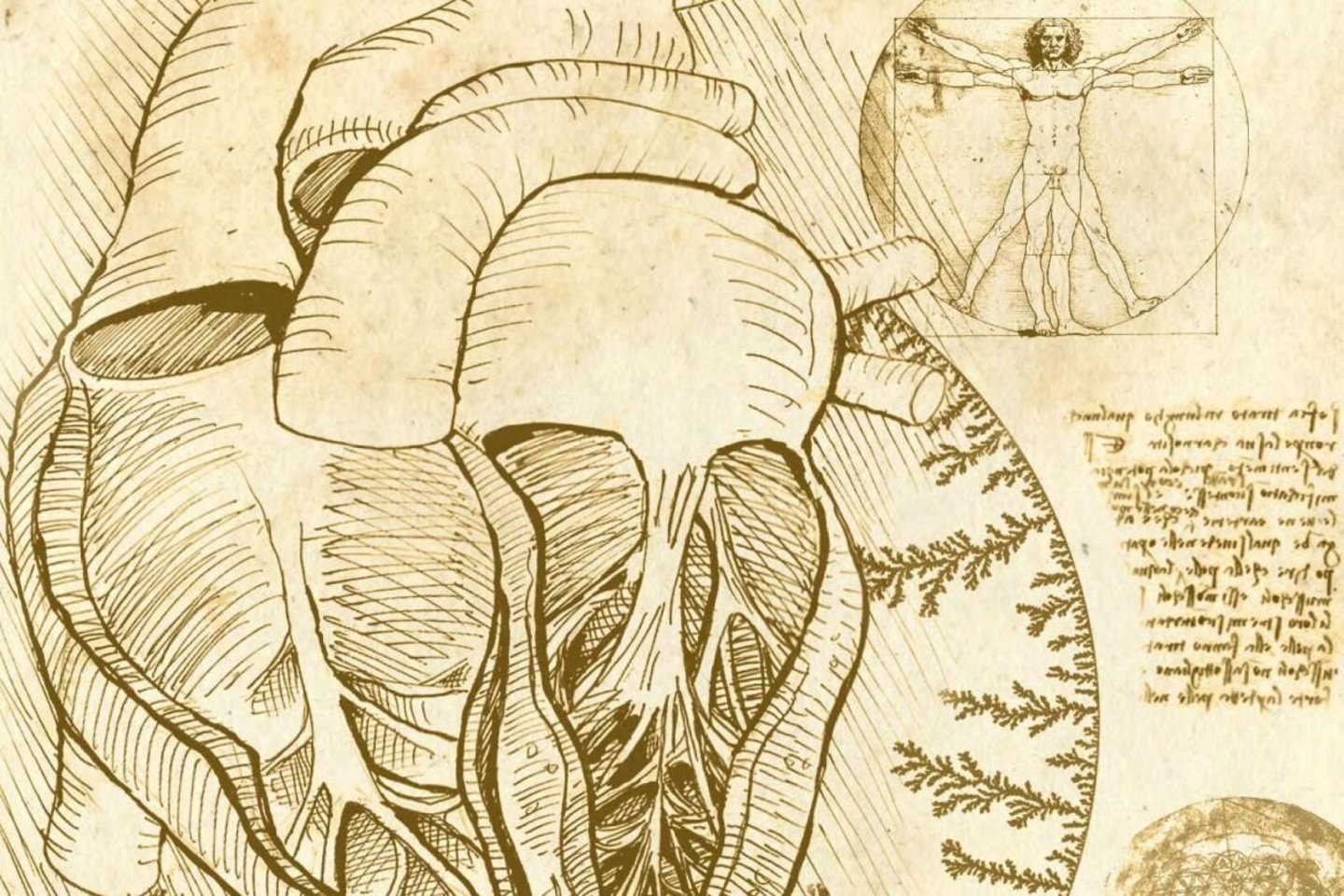
LONDON – A groundbreaking study analyzing the intricate network of muscle fibers within the human heart, known as trabeculae, has revealed a critically important link between their structure, genetic factors, and cardiovascular health. Researchers at the University of Oxford, utilizing data from the UK Biobank, have identified 16 genetic locations associated with trabecular morphology and its impact on heart function.
The research, published recently, builds upon centuries-old observations. Leonardo da Vinci, during his anatomical studies in the early 16th century, meticulously documented the delicate, lace-like appearance of trabeculae after dissecting hearts. He hypothesized that these structures played a role in warming the blood as it circulated around the heart, a theory now being revisited with modern scientific tools.
The study involved a fractal analysis of trabeculae from 18,096 participants in the UK Biobank, a large-scale biomedical database and research resource.researchers were able to identify common characteristics across individuals and begin to understand the functional significance of varying trabecular structures.
“Using biomechanical modeling and observational data from participants, we’ve demonstrated that trabecular morphology is a crucial determinant of cardiac performance,” explained hannah Meyer, the led researcher on the project. The team found that specific trabecular configurations correlated with an increased risk of cardiovascular disease.
The genetic analysis pinpointed 16 significant loci containing genes involved in both hemodynamics – the study of blood flow – and the regulation of cytoskeletal branching. By examining the genomes and trabecular structures of tens of thousands of individuals, scientists are beginning to unravel the genetic mechanisms governing trabecula formation and function, with implications extending beyond the heart to other cell types in the body.
“It was only through the combination of genetics, clinical studies, and bioengineering that we were able to uncover the unexpected role of myocardial trabeculae in the function of the adult human heart,” Meyer stated.Researchers emphasize that this is an initial step towards a more comprehensive understanding of these complex structures.
The UK Biobank, established in 2006, contains in-depth genetic and health information from half a million participants across the United Kingdom. The study’s findings offer potential for developing new diagnostic tools and therapeutic strategies for cardiovascular diseases, which remain a leading cause of death globally. Further research will focus on exploring the precise mechanisms by which these genetic variations influence trabecular growth and their subsequent impact on heart health.
This report is based on information originally published by Popular Mechanics.
