Heart Defects in Down Syndrome: Advances in Treatment & Quality of Life
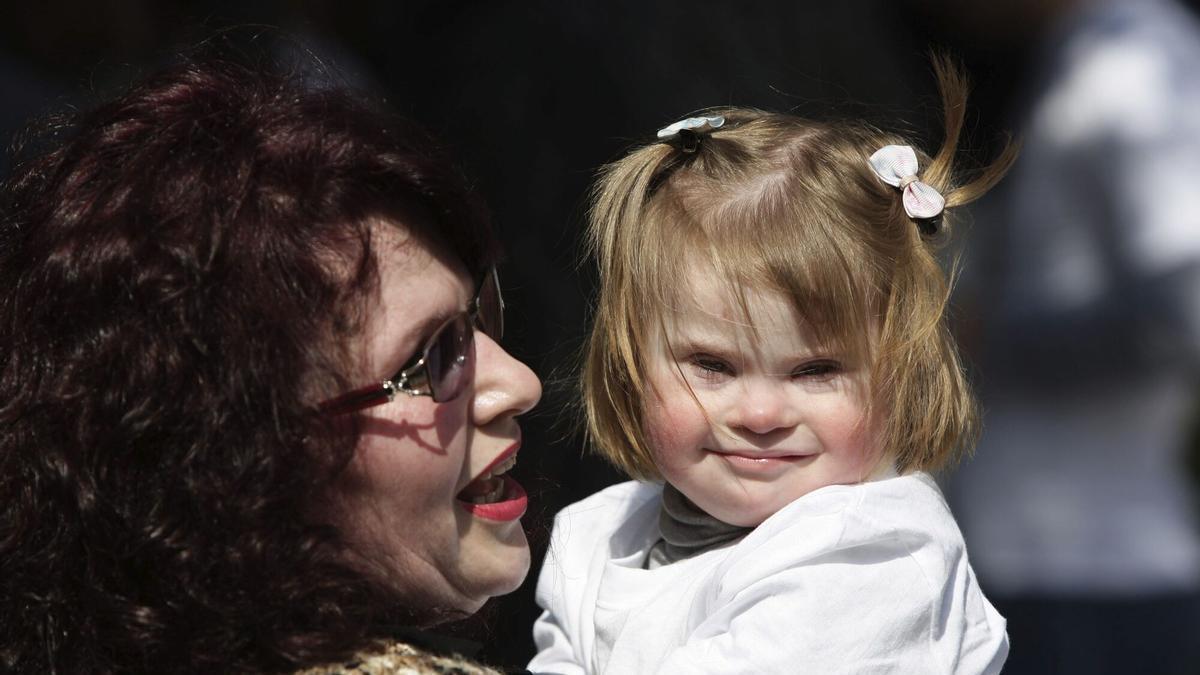
Nearly half of babies born with Down syndrome also have congenital heart defects, developmental problems affecting the heart present both during fetal life and after birth. These rates have remained stable for years, according to Dr. Teresa Álvarez, head of the Fetal Cardiology consultation at the Gregorio Marañón Hospital in Madrid. She expressed pride in the long-term management of these young patients, noting that “in most cases, they now have a quality of life and outcomes similar to those without this genetic condition.” Doctors generally recommend surgery within the first year of life, with patients demonstrating exceptionally positive progress, according to Dr. Constancio Medrano, head of Pediatric Cardiology at the same hospital.
Today, Saturday, March 21, 2026, marks World Down Syndrome Day. Associations are once again advocating for dignified employment, quality education, and increased access to autonomous living, free from unnecessary guardianship. These calls come as life expectancy for individuals with Down syndrome – approximately 35,000 in Spain – now exceeds 60 years. Advances in cardiology have significantly contributed to this dramatic increase in longevity.
Currently, most congenital heart defects are detected before birth through fetal echocardiography, as explained by Dr. Álvarez. This increased detection rate is linked to the trisomy of chromosome 21, which disrupts embryonic heart development, particularly during the early weeks of gestation when septa and valves are forming. The advancements in laboratory techniques and echocardiography allow for much earlier intervention.
“The moment of pregnancy with a diagnosis of trisomy 21 or heart disease is very hard for parents. It’s a complex and very stressful situation. Everything we diagnose before birth is always stressful because it’s uncertainty, and knowing you have a genetic condition that can be associated with other problems is a significant issue,” Dr. Álvarez stated.
However, she emphasized a crucial message for couples: 80-85% of heart defects associated with trisomy 21 are simple or easily addressed, with some even resolving on their own after birth or being treated with catheterization. “We have good surgical solutions. Many are corrected in the first few months to avoid long-term problems. Then, roughly 15% have severe heart defects that may not be easily corrected and can affect long-term prognosis.”
Prenatal diagnosis has improved significantly in the last two decades. Dr. Álvarez noted that although diagnosis in Spain was already good 20 years ago, the biggest change in trisomy 21 diagnosis has been the improvement in genetic diagnostic techniques. She specifically referenced fetal DNA, a non-invasive prenatal screening test that analyzes small fragments of fetal genetic material circulating in the mother’s blood, allowing for the identification of this chromosomal alteration at very early gestational ages.
“In these 20 years, what has also changed is the way we approach these patients from pediatric cardiology,” Dr. Álvarez added. “If it is known, from week 12 or 14 of pregnancy, that there is a condition that can be associated in 50% of cases with a heart problem, we begin to see them at week 16 or even earlier, if parents need precise information. Our function is to accompany them throughout the process, interact with the rest of the professionals involved in prenatal diagnosis, and help them have a smoother neonatal transition.”
Dr. Medrano explained that babies with congenital heart defects undergo surgery very early. “We recommend operating within the first year of life, and they generally have a very good outcome. Generally, the heart defects are resolved or significantly improved.” He stressed the importance of continued care to prevent complications like respiratory infections, and the need for ongoing monitoring to prevent pulmonary hypertension and address potential risks like obesity and hormonal imbalances.
The Gregorio Marañón Hospital continues to follow patients until they are around 18 years old, after which they are transferred to specialized adult units. Dr. Medrano emphasized that, alongside surgery, early intervention and stimulation are crucial. He highlighted a significant change in recent years, stating, “We operate to ensure they have no limitations, meaning they can do all their physiotherapy exercises as soon as possible. And the key is: if they are born with a heart defect, operate early and resolve that problem quickly. The message is that we know how to fix them and that, we are not only going to fix them to make them better in that first year of life, but so that in the future they can be calm and that most children can live a normal life.”
On March 24th, the Gregorio Marañón Hospital will hold an ‘Open Day’ for future residents, according to the hospital’s website.