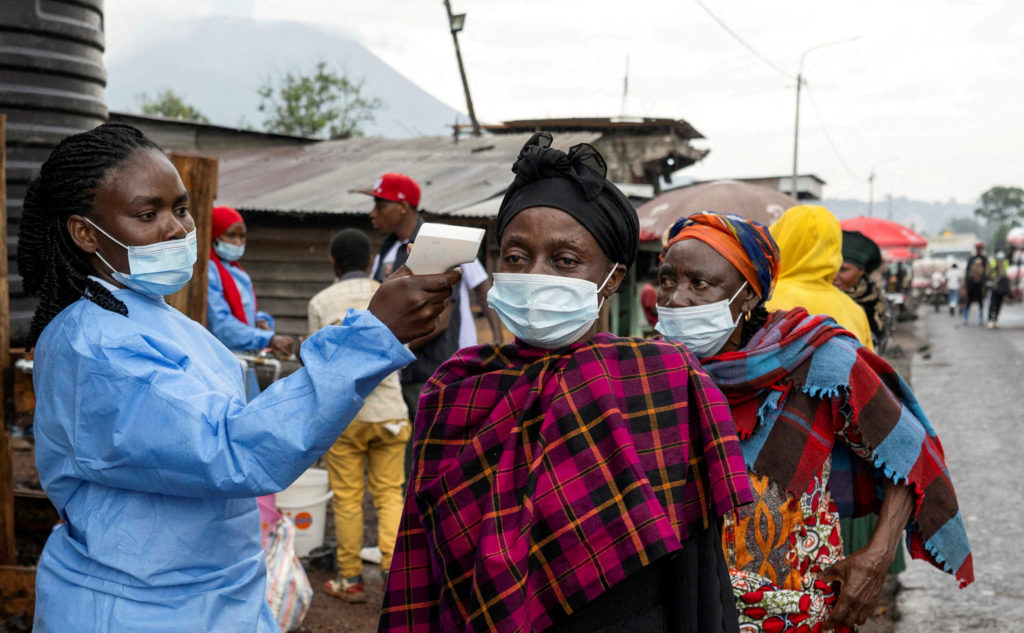
Health Professionals Demand Better Pay and Working Conditions
Ebola deaths in the Democratic Republic of the Congo have surpassed 500 as frontline health workers threaten a nationwide strike on July 6, 2026. Medical professionals cite unpaid salaries and a critical lack of personal protective equipment (PPE) as the primary drivers for the walkout, which threatens to collapse the current containment effort.
The crisis centers on a systemic failure to fund the operational costs of Ebola Treatment Centers (ETCs). While international aid often focuses on vaccine procurement, the local workforce—responsible for the dangerous daily task of patient care and corpse management—remains underpaid and undersupplied. This creates a volatile environment where the very people tasked with stopping the virus are the most likely to abandon their posts.
Why are health workers threatening to strike during an outbreak?
The primary catalyst is financial instability. Health workers report that salary payments have been irregular or entirely absent for several months. When combined with a lack of basic supplies, the risk of contracting the virus becomes an unacceptable professional hazard. According to frontline staff, the shortage of gloves, gowns, and sterilization equipment forces workers to improvise, significantly increasing the rate of nosocomial infections within clinics.

This labor instability is not a new phenomenon in the DRC. Historically, the tension between international NGO funding and local government payroll has left a gap in the “last mile” of healthcare delivery. When international funding cycles end, local staff often find themselves without a sustainable payment mechanism from the Ministry of Health.
The immediate result is a breakdown in community trust. If the clinics are empty or the staff are protesting, families are less likely to bring sick relatives for treatment, leading to higher community transmission rates.
How does the death toll compare to previous outbreaks?
The current toll of over 500 deaths represents a significant escalation in the 2026 cycle. To understand the severity, it is helpful to look at the trajectory of the current crisis compared to historical benchmarks in the region.

| Metric | Current 2026 Outbreak | Previous Regional Averages |
|---|---|---|
| Confirmed Deaths | 500+ | Variable by Province |
| Primary Driver | Staff Shortages/Strikes | Logistical Access/Vaccine Delay |
| Critical Gap | Local Payroll & PPE | Cold-Chain Infrastructure |
The shift in the “critical gap” is notable. In earlier outbreaks, the challenge was often getting the vaccine to remote villages. In 2026, the challenge is keeping the trained humans who administer those vaccines and manage the patients in the clinics.
What is the impact on local infrastructure and the economy?
The instability is concentrated in the eastern provinces, where infrastructure is already fragile. The threat of a strike doesn’t just stop Ebola treatment; it halts all primary healthcare. When nurses and doctors walk out, maternal health services, malaria treatment, and emergency surgeries cease. This creates a “syndemic” where multiple health crises overlap, overwhelming the remaining skeletal staff.
From an economic perspective, the instability triggers localized lockdowns and restricts the movement of goods. Markets in affected districts often see a sharp decline in activity as fear of the virus and the lack of medical safety nets discourage trade. For businesses operating in these regions, the lack of a stable health workforce makes it nearly impossible to maintain a healthy employee base.
Organizations attempting to stabilize these regions often find that the most effective path is through World Health Organization (WHO) guidelines on health workforce resilience. However, the implementation of these guidelines requires direct financial intervention at the provincial level.
For those managing corporate assets or NGO operations in the DRC, the risk is no longer just biological but operational. Securing vetted [Medical Logistics Specialists] is now a critical requirement for any entity attempting to maintain a presence in the affected zones.
What happens if the strike proceeds?
A full-scale walkout would likely result in an immediate spike in mortality. Ebola requires intensive, supportive care—fluid resuscitation and electrolyte management—to improve survival rates. Without trained staff to provide this, the case fatality rate (CFR) will climb toward the virus’s natural peak of 50% to 90%.

Furthermore, the lack of safe burial teams—who are among the striking workers—means that traditional burials will increase. Since the body of an Ebola victim remains highly infectious, this is the fastest way to trigger a new wave of community infections.
The legal ramifications for the government are also mounting. Labor advocates in Kinshasa argue that the failure to pay health workers during a public health emergency may violate national labor laws and international health regulations. Legal teams are increasingly consulting [Employment Law Experts] to determine if there are grounds for collective litigation against the state for breach of contract.
The situation is a stark reminder that medical technology, such as the CDC’s developed vaccines, is only as effective as the people delivering it. A vaccine in a warehouse is useless if the nurse who should administer it is protesting in the street for a missing paycheck.
As the death toll climbs, the window for a negotiated settlement between the Ministry of Health and the medical unions is closing. The tragedy of the 2026 outbreak may not be the virus itself, but the systemic neglect of the professionals who stand between the population and the pathogen. Finding verified [International Health Consultants] and humanitarian coordinators through the World Today News Directory remains the most reliable way for stakeholders to navigate this collapsing healthcare landscape.