
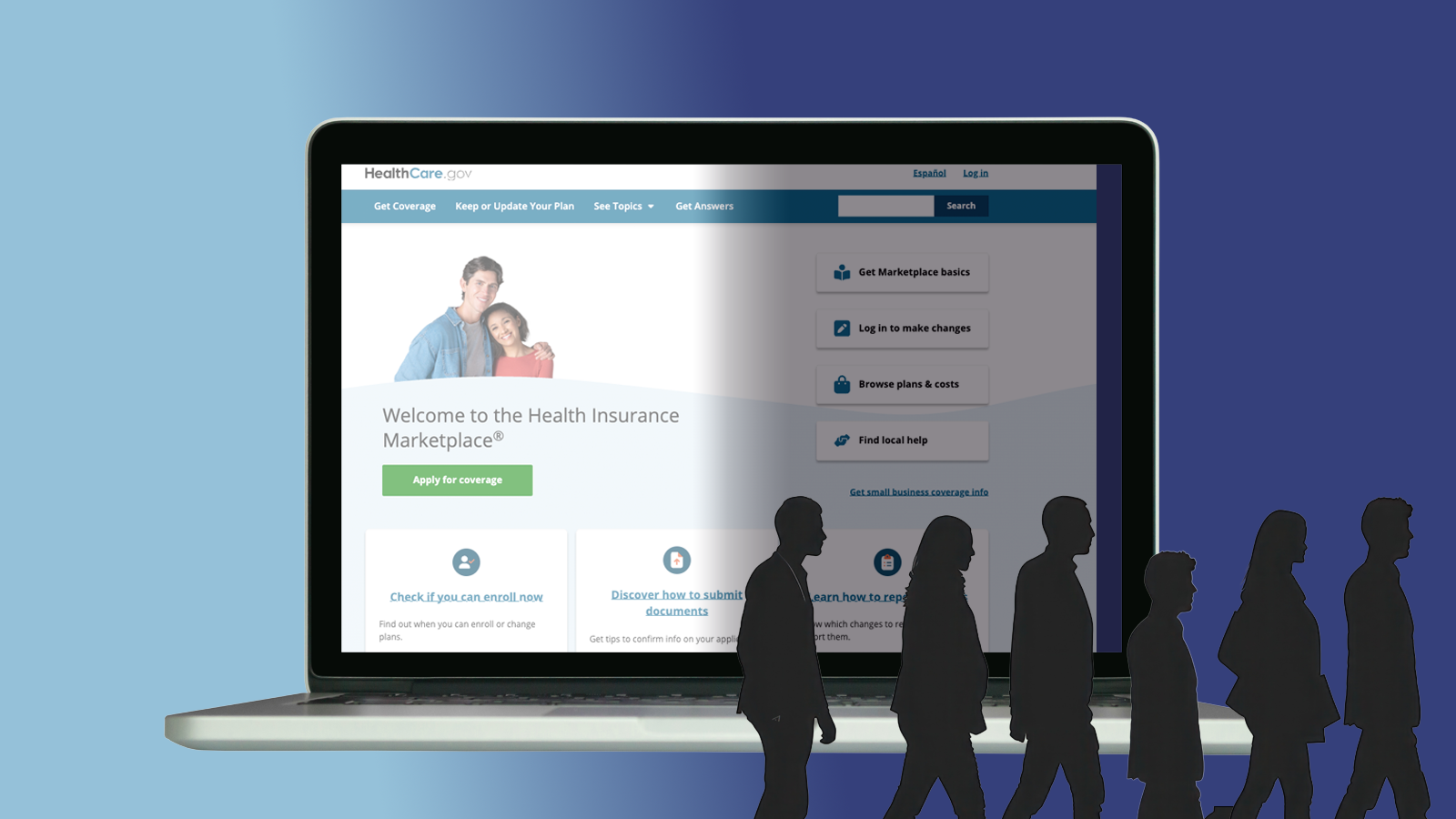
The number of Americans obtaining health insurance through state-based marketplaces is at a historic high, according to data released this week, even as the system faces potential instability heading into 2026. For the upcoming plan year, 21 states are operating their own health insurance exchanges, whereas two others are utilizing a hybrid model relying on federal services for certain functions, according to the Centers for Medicare & Medicaid Services (CMS).
These state-based exchanges (SBEs) and state-based exchanges on the Federal platform (SBE-FPs) provide access to Individual and Small Business Health Options Program (SHOP) plans. The current structure stems from provisions established in January 2014, when access to health and dental insurance coverage through these exchanges became available nationwide. States initially signaled their intent to establish SBEs by submitting declarations to the Department of Health and Human Services (HHS), and were eligible for federal grants to support their establishment through November 2014.
The SBE-FPs, which include two states for 2026, maintain responsibility for key functions like qualified health plan (QHP) certification and consumer outreach, while leveraging HHS for eligibility and enrollment processes. The states operating SBE-FPs that also handle SHOP eligibility functions are identified by CMS with an asterisk.
The State Marketplace Network, a collective of the 21 state-based health insurance marketplaces, has reported historic enrollment numbers, attributing the increase to premium tax credits. The National Association of State Health Policy (NASHP) has also highlighted the impact of the Affordable Care Act and the increased affordability and access for consumers in these state-based systems.
CMS continues to provide conditional approval for states seeking to establish SBEs, and detailed information, including declaration letters and exchange website links, is available through the agency. The agency has not yet released details on any states considering a shift in their exchange model for the 2027 plan year.
