Seoul, South Korea – A recent report from South KoreaS ministry of Health and Welfare and the National Health Insurance Corporation confirms a direct correlation between increased medical supply (number of institutions and personnel) and rising medical expenses, contradicting recent assertions made by the Yoon Suk-yeol administration. The findings, based on data from 2010 to 2022, reveal a 1.64% increase in foreign medical expenses for every 1% rise in the number of nursing institutions per 100,000 people.
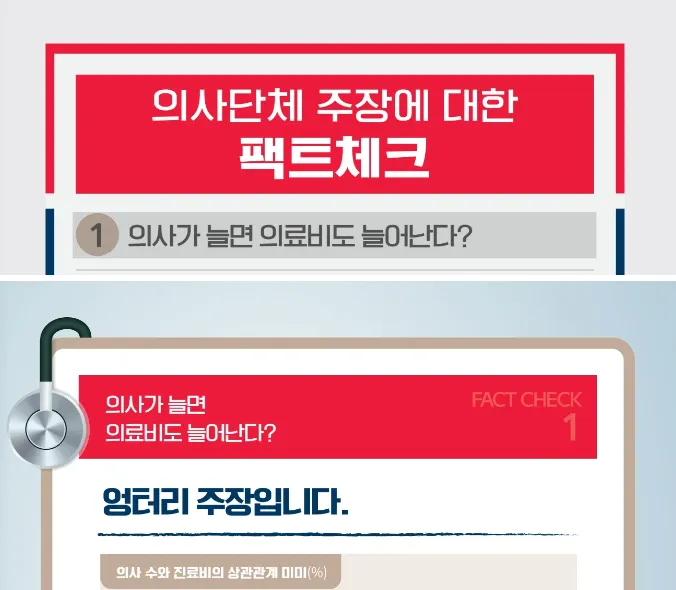
The report underscores the principle of supply-induced demand in healthcare economics – a concept previously dismissed by the government as “fake news” and an “old theory” propagated solely by the Korean Medical Association. This dismissal occurred despite the availability of the underlying data used in the current report, which was reportedly labeled as an outdated “fact check” in 2023.
Specifically, the study found that outpatient medical expenses considerably influence supply factors. the increase in both hospital inpatient numbers and local clinics directly correlates with increased costs and a growing health insurance burden. This aligns with established economic principles suggesting that expanding healthcare supply without corresponding demand management leads to inflated expenses.
The Ministry of Health and Welfare’s current findings stand in stark contrast to statements made throughout 2024 by the Yoon administration, which maintained that increasing the number of doctors would *not* lead to increased demand or medical costs. the administration actively promoted this position through card news and YouTube videos, attempting to discredit the supply-demand relationship in healthcare.
The report’s release comes amidst ongoing debate surrounding the government’s proposed medical reforms,which aim to increase the number of doctors in South Korea. Critics argue that without addressing underlying demand factors, simply increasing supply will exacerbate existing financial pressures on the healthcare system and individual citizens.
Population aging and rising incomes are also cited as contributing factors to increased healthcare utilization. However, the report emphasizes that the expansion of medical facilities and personnel plays a crucial role in driving up overall expenses.