
.
American Indian and Alaska Native (AIAN) communities are now at the centre of a structural shift involving substance‑use health outcomes. The immediate implication is a heightened systemic risk of overdose and alcohol‑related mortality that outpaces the broader population.
The strategic Context
Over the past decade, AIAN populations have faced a convergence of long‑standing health disparities, limited access to culturally appropriate treatment, and socioeconomic stressors that amplify vulnerability to substance use. These dynamics operate within a broader U.S. health system where funding streams, provider networks, and insurance coverage are unevenly distributed, frequently enough leaving tribal health services under‑resourced.
Core Analysis: Incentives & Constraints
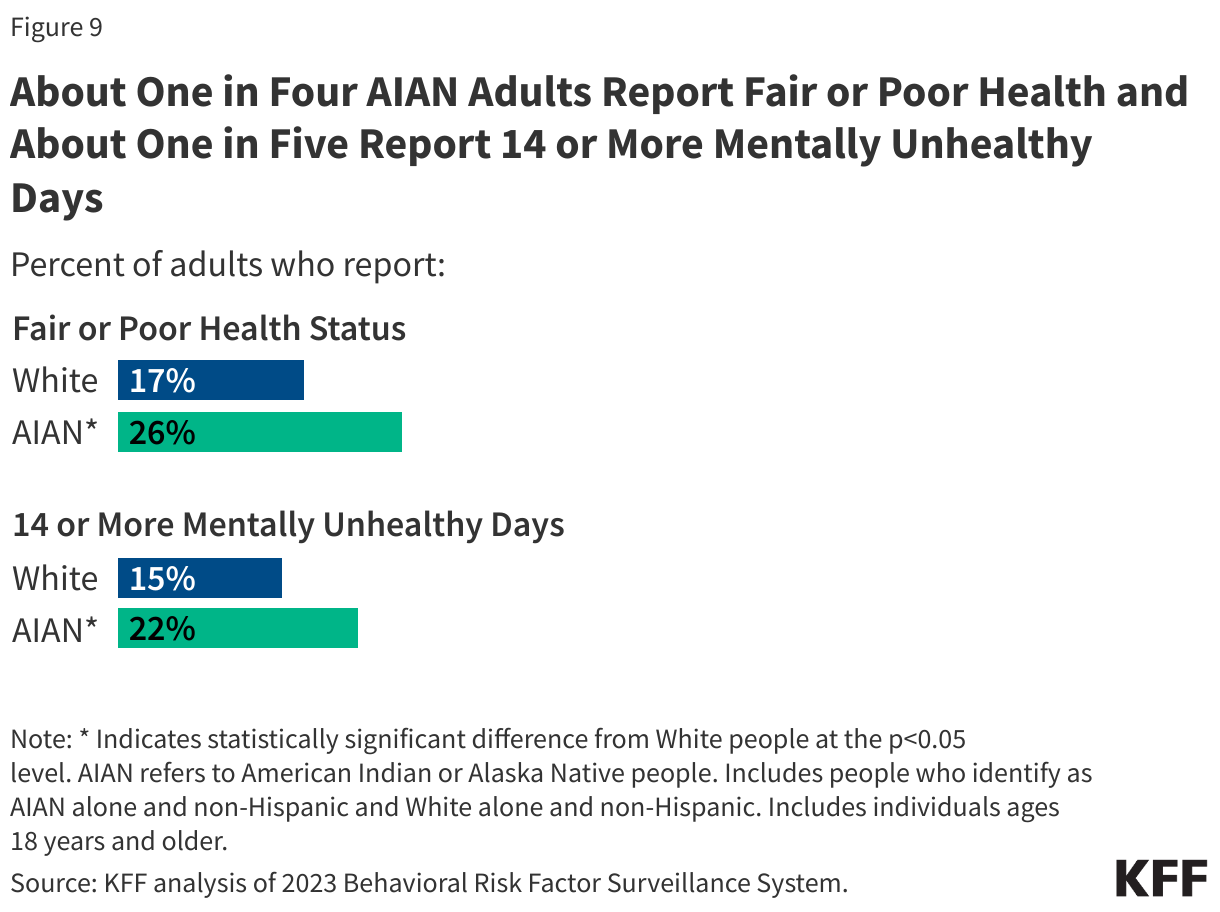
Source signals: The raw data indicate that 27 % of AIAN adults reported a substance‑use disorder in the past year, compared with 19 % of White adults. Overdose death rates for AIAN individuals are roughly double those of White individuals (65 vs. 33.1 per 100,000). Alcohol‑induced death rates are the highest among AIAN groups and have nearly doubled over the last ten years, while suicide and overall drug‑overdose deaths are also rising fastest in this cohort.
WTN Interpretation: The structural forces driving these outcomes include: (1) limited penetration of medication‑assisted treatment (MAT) programs in tribal areas, reducing therapeutic leverage; (2) fiscal constraints on Indian Health Service (IHS) budgets that limit expansion of behavioral‑health workforce; (3) cultural barriers that affect uptake of conventional treatment modalities, creating a demand for community‑led interventions; and (4) broader epidemiological trends such as the national rise in synthetic opioid availability, which disproportionately affect underserved populations. These constraints compress the policy space for rapid mitigation,while the incentive for federal and state agencies to address the disparity is growing due to rising mortality metrics and associated economic costs.
WTN Strategic Insight
“When a demographic group experiences a mortality rate that outpaces national averages, the structural response-funding, workforce, and culturally tailored care-must shift from incremental to systemic, otherwise the disparity compounds across generations.”
Future Outlook: Scenario paths & Key Indicators
Baseline Path: If current funding levels for IHS and tribal behavioral‑health programs remain stable and existing MAT outreach continues at present rates, AIAN overdose and alcohol‑related death rates will likely continue to rise proportionally with national trends, maintaining a gap of roughly double the White mortality rate.
Risk Path: If a policy shock occurs-such as a significant reduction in federal health appropriations or a surge in illicit synthetic opioid supply targeting rural areas-the mortality gap could widen sharply, possibly exceeding a 2.5‑fold disparity within two years.
- Indicator 1: Quarterly IHS budget allocation reports for behavioral health services (next 3‑6 months).
- Indicator 2: Monthly overdose fatality counts from state medical examiner offices in regions with high AIAN populations (next 3‑6 months).
- Indicator 3: Enrollment trends in medication‑assisted treatment programs serving tribal communities (tracked bi‑annually).
