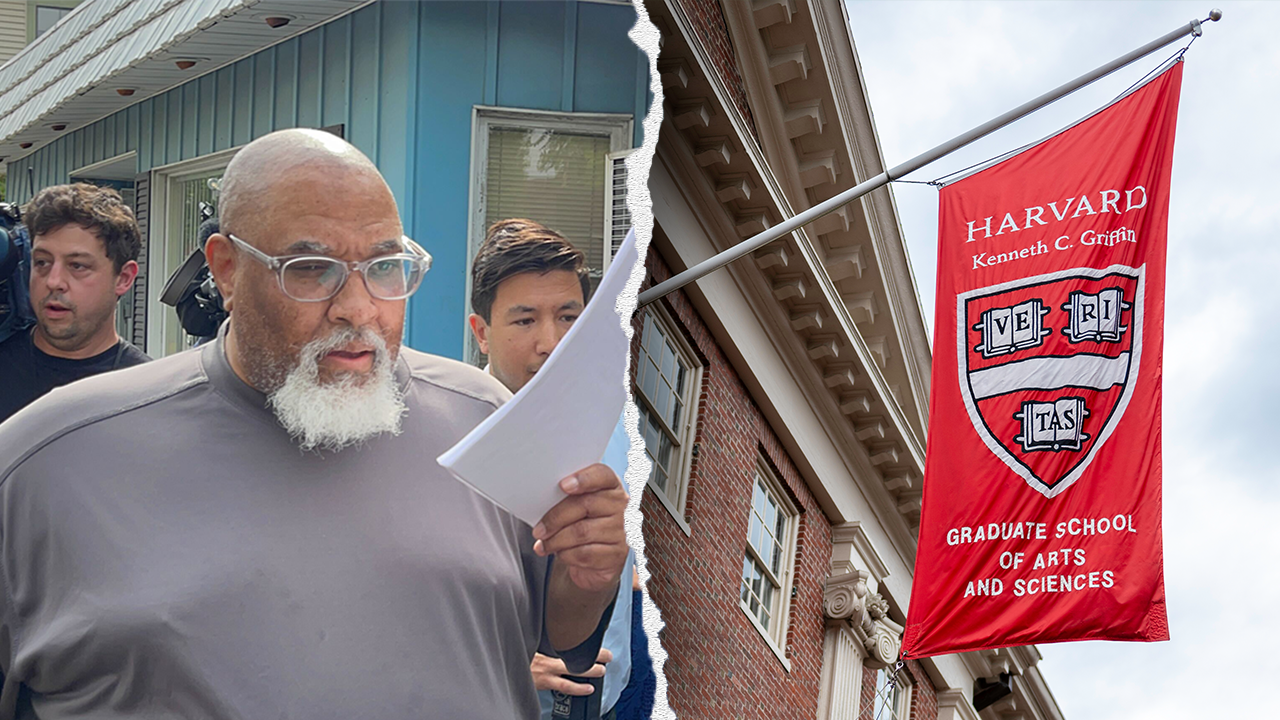
Harvard Agrees to $53M Settlement Over Stolen Body Parts Scandal
Harvard University has agreed to a proposed $53 million settlement to resolve a class-action lawsuit brought by families whose donated body parts were stolen and sold on the black market. Massachusetts Superior Court Judge Debra A. Squires-Lee granted preliminary approval to the deal on August 18, 2026, following a criminal scheme involving a former morgue manager.
The breach of trust at one of the world’s most prestigious medical institutions creates a complex legal and emotional crisis for the affected families. When anatomical gift programs fail, the resulting litigation often requires specialized legal representation to navigate the intersection of healthcare law and probate disputes.
Criminal Conduct at Harvard Medical School Morgue
The settlement stems from the actions of Cedric Lodge, who managed the morgue at Harvard Medical School for nearly three decades. His wife, Denise Lodge, received a sentence of 12 months and one day.
Between 2018 and March 2020, Lodge stole organs, brains, skin, hands, faces, and dissected heads from cadavers. These remains had been donated for medical research and education but were taken before they could be disposed of according to the donors’ agreements.
Six other co-conspirators who purchased the remains from Lodge have also pleaded guilty and received sentences, RTE.ie reports.
Terms of the $53 Million Settlement
The proposed agreement establishes two class-action settlement funds totaling $53 million. Judge Squires-Lee’s preliminary approval is the first step in a legal process that concludes with a final approval hearing scheduled for December 9, 2026. Harvard expects the distribution of these funds to take several months.

Beyond financial compensation, the university has committed to several non-monetary reparations:
- Formal Apology: Harvard Medical School will provide a statement to claimant families reaffirming that Lodge’s actions were “morally reprehensible” and inconsistent with university standards.
- Institutional Reform: The school will provide details to families regarding specific improvements made to the organ donation program to prevent future thefts.
- Academic Legacy: Starting in the 2027-2028 academic year, Harvard will establish an annual financial aid scholarship for medical students to honor anatomical donors.
George Daley, Harvard’s dean of the faculty of medicine, and Bernard Chang, dean for medical education, described Lodge’s violations as “despicable, abhorrent, and a flagrant betrayal of our values as a medical community” in a letter to the school’s community.
Systemic Failures in Anatomical Gift Oversight
The litigation highlights a critical vulnerability in how medical institutions manage “anatomical gifts.” While the federal indictment noted that Lodge acted without the knowledge or permission of Harvard Medical School, the lawsuit focused on the university’s negligence in handling its program. The fact that a single manager could divert human remains for years without detection suggests a failure in internal auditing and chain-of-custody protocols.

For families discovering that a loved one’s final wishes were violated, the path to restitution is rarely straightforward.
It underscores the necessity for rigorous, third-party oversight of bio-repositories.
Comparative Timeline of the Lodge Case
| Date/Period | Event | Outcome/Status |
|---|---|---|
| 2018 – March 2020 | Theft and sale of remains | Lodge transported remains to New Hampshire |
| 2023 | Arrest of Cedric Lodge | Lodge fired from Harvard Medical School |
| December 2025 | Criminal Sentencing | Lodge sentenced to 8 years in prison |
| August 18, 2026 | Preliminary Settlement Approval | Judge approves $53M class action plan |
| December 9, 2026 | Final Approval Hearing | Court to finalize settlement terms |
John Morgan, of the law firm Morgan & Morgan, which represented the families, stated that the resolution is intended to ensure “that this never happens to another family ever again.”
The fallout from this case extends beyond the courtroom. It forces a reckoning for all institutions that accept human remains for science. When the sanctity of a donation is compromised, the trust required for the entire medical research ecosystem is eroded.
As the December hearing approaches, the focus shifts from the criminal acts of one man to the institutional responsibility of a university. The $53 million payment is a significant sum, but for the families involved, the primary loss was the violation of a final, sacred promise.