Harriet Clark on What’s Lost When Parents Are Imprisoned – RNZ
In a column for RNZ on Thursday first-time novelist Harriet Clark argues that children of imprisoned parents develop a remarkable, heroic ability to make enough out of not enough.
Clark was 11 months old when her mother, Judith, served as the getaway driver in the 1981 Brink’s robbery in New York state, an armed crime by members of the Weather Underground and M19 that left three people dead. Judith Clark received a 75-year prison sentence. Raised largely by her grandparents, Harriet Clark grew up knowing her mother only within a correctional facility.
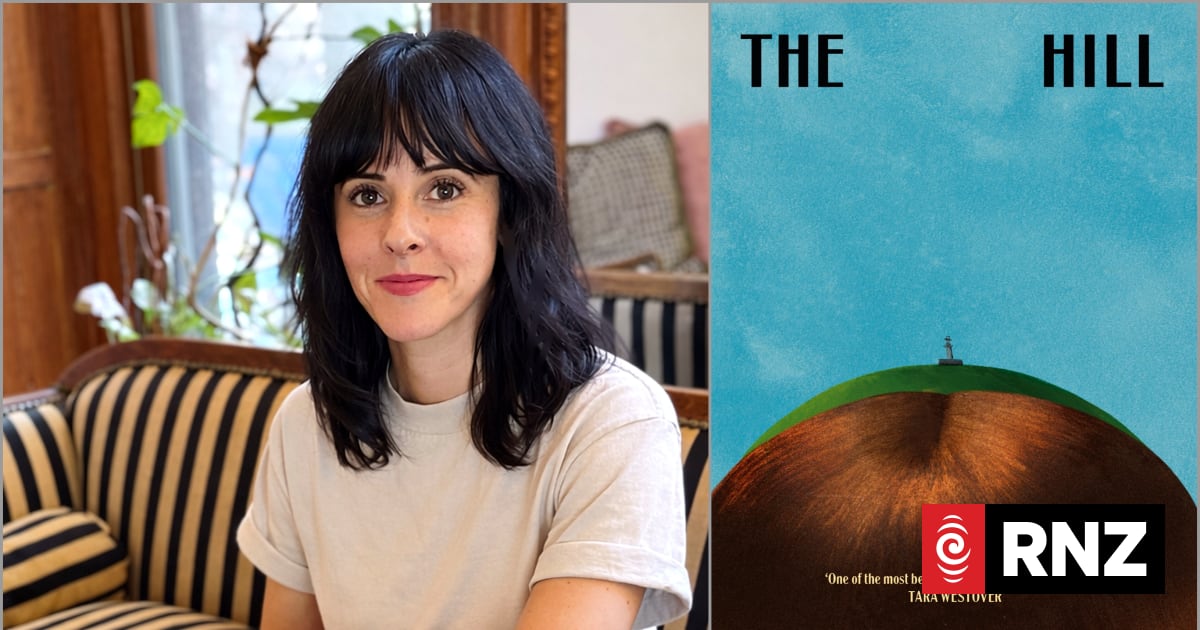
That upbringing inspired her debut novel, The Hill, reviewed by The Guardian on November 19, 2026. The book follows a young girl named Suzanna whose mother serves a life sentence.
“The majority of women in the prison in the US were the primary caretakers for their kids before they went in, and so most children actively experienced the loss of their mother; whereas my life, not only had it always been that way, but it was always going to be that way,” novelist Harriet Clark told RNZ's Nine to Noon.
“I definitely felt spared the great difficulty that other kids had around me in terms of having actively lost their mother.”
said Clark, speaking on RNZ’s Nine to Noon.
She explained that the US prison system exists primarily to destabilize people rather than rehabilitate them. Over four decades of visiting her mother, she witnessed the facility transform from unassuming brick buildings resembling a university into a heavily militarized compound featuring three barbed-wire fences and a giant gun tower.

In the novel, Suzanna relies on the rigid routine of prison visits as a constant source of stability. Clark drew this dynamic directly from her own childhood, where her grandparents orchestrated visits to shield her from trauma.
The author said that she deliberately chose not to make the prison in her book as harrowing as real-world facilities. She wanted to remain faithful to Suzanna’s protected perspective, shaped by a grandmother who was a former communist and an apartment surrounded by war-weary radical thinkers.
“One of the bewildering things about the prison where I grew up is that on the one hand, it is the place in the world I have returned to for the longest.”
Clark told RNZ.
Judith Clark spent decades inside building college, AIDS counselling, and parenting programs for fellow inmates. Despite deep community support and her rehabilitation efforts, she served decades behind bars because she felt she deserved to stay.
Judith Clark finally secured her freedom in 2019, aided by Harriet Clark’s wife, a human rights lawyer. New York Governor Andrew Cuomo granted her clemency after visiting her in person and concluding she had served enough time.
That release allowed the author to pursue motherhood herself. With her mother living nearby as a primary caretaker for her young son, Clark completed her decades-long literary container.
“The truth is this is the only thing I’ve ever written,” Clark told RNZ.