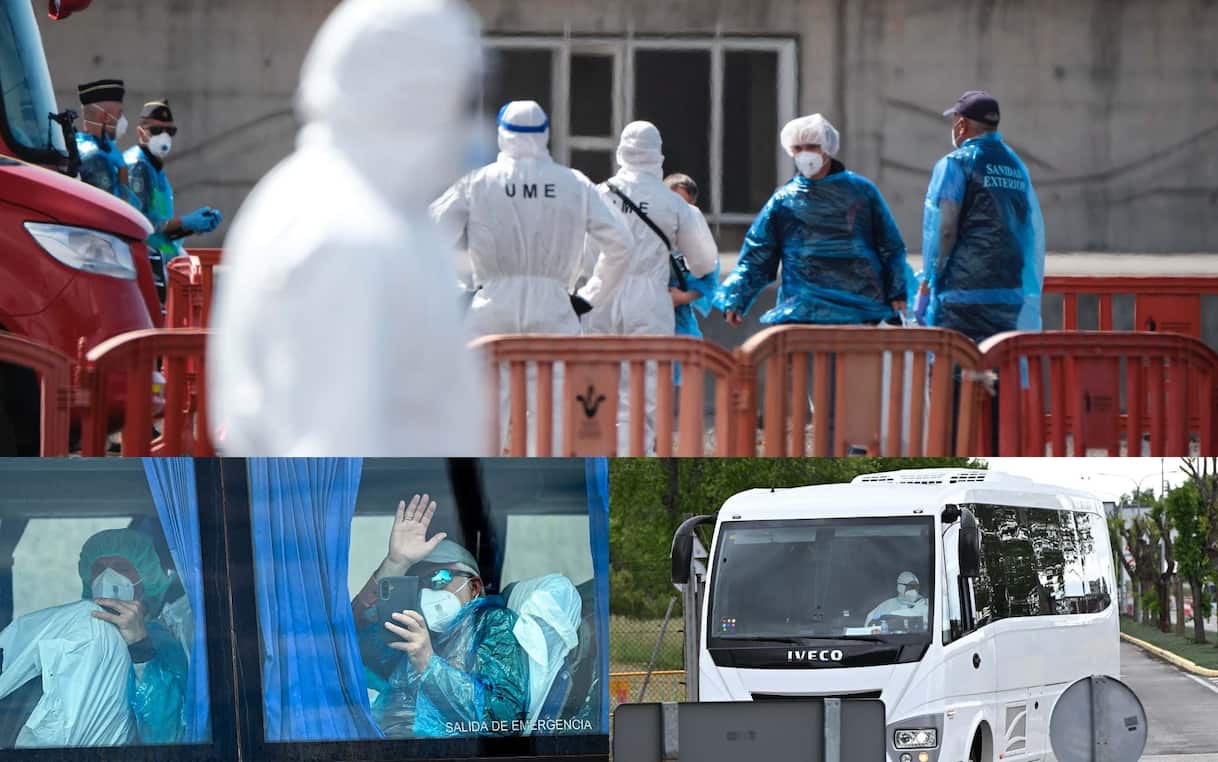
Hantavirus, via ai rimpatri dopo sbarco a Tenerife: ‘Uno ha sintomi’ – Sky TG24
The arrival of the MV Hondius at the port of Tenerife has transformed a luxury voyage into a high-stakes clinical exercise in containment. With nearly a hundred passengers evacuated and a French national manifesting symptoms mid-flight, the incident forces a critical re-examination of zoonotic surveillance in the travel industry.
Key Clinical Takeaways:
- Hantaviruses are primarily zoonotic, spread through the inhalation of aerosolized rodent excreta, though the Andes strain allows for rare person-to-person transmission.
- Clinical progression typically moves from a non-specific prodromal phase (fever, myalgia) to severe Hantavirus Pulmonary Syndrome (HPS) or Hemorrhagic Fever with Renal Syndrome (HFRS).
- The MV Hondius outbreak underscores a regulatory gap in maritime quarantine protocols, particularly concerning the transit of passengers from South American endemic zones.
The current crisis aboard the MV Hondius is not merely a logistical failure of evacuation but a clinical anomaly. Hantavirus is traditionally associated with rural environments—barns, cabins, or warehouses where rodent populations thrive. Seeing a cluster of cases on a cruise ship traveling from Argentina to Cape Verde suggests a breakdown in sanitary barriers or, more concerningly, a manifestation of the Andes virus’s capacity for human-to-human transmission. This shift in the epidemiological profile of the virus transforms a localized zoonotic risk into a potential public health vulnerability for international transit.
The Pathogenesis of Pulmonary and Renal Failure
To understand the risk posed to the evacuated passengers, one must examine the viral mechanism of action. Hantaviruses target the vascular endothelium, leading to increased capillary permeability. In the case of Hantavirus Pulmonary Syndrome (HPS), this manifests as a rapid accumulation of fluid in the lungs, effectively causing the patient to drown internally. The morbidity associated with HPS is severe, often requiring intensive care and mechanical ventilation to manage the acute respiratory distress.
The clinical trajectory is deceptively subtle. The prodromal phase is frequently misdiagnosed as influenza, characterized by fatigue, fever, and intense muscle aches in the thighs and hips. However, once the virus triggers the capillary leak syndrome, the transition to critical illness is precipitous. For clinicians managing the repatriated passengers, the priority is the early identification of these markers before the onset of severe shortness of breath.
“The challenge with hantavirus in a transit setting is the incubation window. Because symptoms may not appear for several weeks after exposure, a passenger can act as a silent vector, crossing borders before the clinical manifestation of the disease triggers an alarm.”
For those exhibiting early symptoms or those who have been in close contact with confirmed cases, immediate triage is mandatory. It is essential to consult with board-certified infectious disease specialists to differentiate these symptoms from other viral respiratory infections and to initiate supportive care protocols immediately.
The Andes Strain and the Risk of Human Transmission
The geography of the MV Hondius’s route is clinically significant. The ship’s departure from Argentina places the passengers in the endemic zone of the Andes virus. While most hantaviruses are strictly zoonotic, the Andes strain is the only known variant capable of spreading between humans through close contact. The World Health Organization (WHO) has indicated that human-to-human transmission is suspected in this specific outbreak, a development that complicates the repatriation process.
This possibility explains the stringent isolation measures implemented for the five French citizens arriving at Le Bourget airport. When a virus jumps the species barrier and then adapts for human-to-human spread, the standard of care shifts from environmental remediation (rodent control) to strict epidemiological containment (quarantine). The friction between different national protocols—specifically the variation in quarantine requirements between the United States and European authorities—highlights a systemic weakness in global health security.
As noted by WHO Director-General Tedros Adhanom Ghebreyesus, the absence of mandatory quarantine in certain jurisdictions could present unnecessary risks. This regulatory discrepancy creates a “leaky” containment strategy, where the virus could potentially find new hosts before the incubation period ends.
Regulatory Gaps in Maritime Health Compliance
The outbreak on the MV Hondius reveals a profound clinical gap in how cruise lines manage biological risks. Most maritime health protocols are designed for gastrointestinal outbreaks, such as Norovirus, rather than complex zoonotic respiratory viruses. The presence of hantavirus on a vessel suggests either a failure in pest control or an undetected primary infection that subsequently spread among passengers.
From a B2B perspective, this incident will likely trigger a wave of audits across the cruise industry. The legal implications of failing to maintain a sterile environment or failing to implement adequate screening for passengers arriving from endemic regions are substantial. Maritime operators are now facing the necessity of revising their health safety manuals to include zoonotic surveillance.
Navigating these evolving international health regulations requires specialized legal expertise. Many operators are currently retaining healthcare compliance attorneys to conduct internal audits and ensure their protocols align with the latest WHO and CDC guidance to avoid massive liability and operational shutdowns.
Clinical Outlook and Surveillance Infrastructure
The immediate focus remains on the 94 evacuated passengers and the remaining crew. While the WHO maintains that the risk to the general public remains low, the incident serves as a sentinel event. It reminds the medical community that the boundaries between wildlife reservoirs and human populations are increasingly porous due to global travel.

Future mitigation depends on the development of more rapid diagnostic tools. Current detection often relies on RT-PCR or serological testing for IgM and IgG antibodies, which can be time-consuming during an active outbreak. Funding for these diagnostic advancements is largely driven by national health grants and international collaborations, such as those coordinated by the World Health Organization and the Centers for Disease Control and Prevention, focusing on the “One Health” approach that integrates human, animal, and environmental health surveillance.
As we move toward a more integrated global health response, the ability to detect a viral spillover in real-time will be the only way to prevent a localized outbreak from becoming a transnational crisis. For healthcare facilities preparing for the potential arrival of repatriated patients, establishing a direct line to advanced diagnostic centers is the most effective way to ensure rapid confirmation and containment.
The MV Hondius incident is a stark reminder that in the era of hyper-mobility, a rare virus from a remote region can reach the heart of a major city in a matter of hours. The transition from a zoonotic event to a public health emergency is a thin line, bridged only by rigorous surveillance and an uncompromising commitment to quarantine protocols. As clinical research continues to map the mutation patterns of the Andes strain, the priority must remain the synchronization of international health laws to ensure that no passenger becomes an unwitting vector for a deadly pathogen.
Disclaimer: The information provided in this article is for educational and scientific communication purposes only and does not constitute medical advice. Always consult with a qualified healthcare provider regarding any medical condition, diagnosis, or treatment plan.