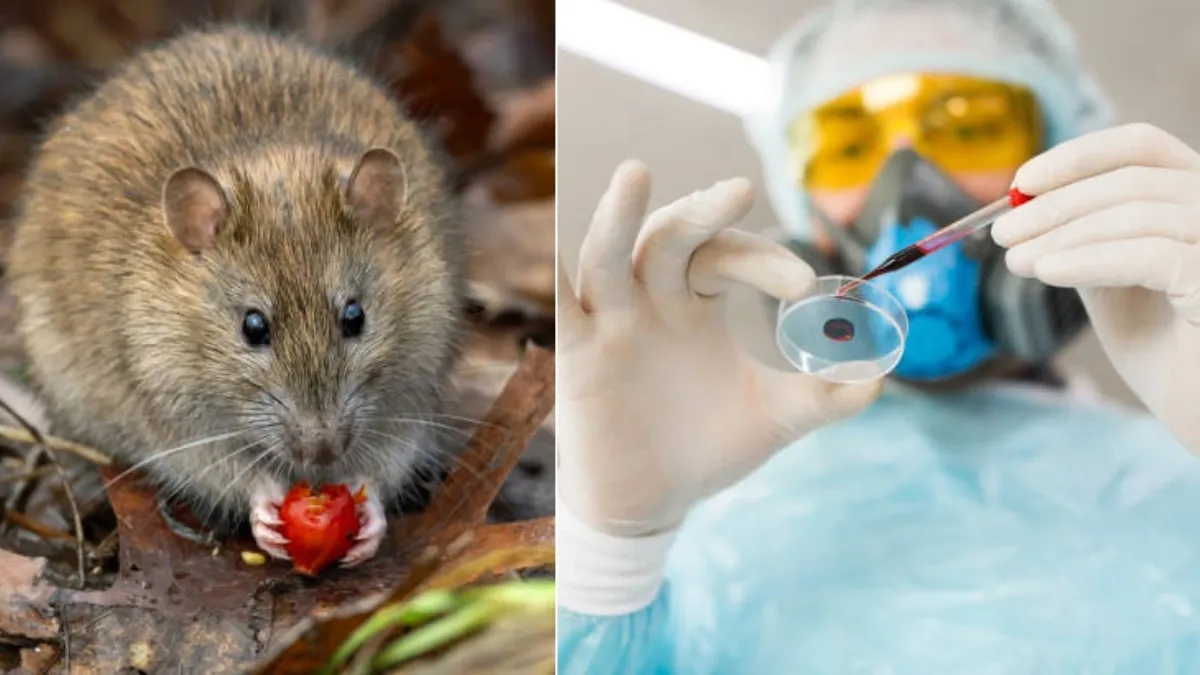
Hantavirus Update: Latest Cases and Mutation Risk Analysis
A woman in France is currently fighting for her life in an intensive care unit, her condition a stark reminder of the volatility of zoonotic spillover. This individual case, coinciding with the European Union’s ongoing monitoring of a hantavirus cluster linked to the cruise ship MV Hondius, has reignited a critical discourse on viral mutation and the actual probability of a global pandemic.
Key Clinical Takeaways:
- European Union health authorities have officially ruled out a mutation in the hantavirus strain identified aboard the MV Hondius, though monitoring of evacuees remains a priority.
- Despite high mutation rates common to RNA viruses, epidemiological consensus indicates the probability of hantavirus evolving into a pandemic-level pathogen remains extremely low.
- The current clinical focus is on the management of severe respiratory distress in infected individuals, as seen in the critical case currently under care in France.
The intersection of international travel and rare zoonotic infections creates a complex diagnostic challenge for healthcare systems. When a patient presents with severe acute respiratory illness in a non-endemic region like France, the clinical triage process must move rapidly from general pneumonia protocols to specific viral screenings. The woman currently in intensive care represents the high-morbidity end of the hantavirus spectrum, where the virus triggers an aggressive immune response that can lead to rapid pulmonary failure.
The MV Hondius Cluster and the Mutation Debate
Public anxiety often spikes when a virus is linked to a high-density environment like a cruise ship. The MV Hondius incident triggered immediate scrutiny from the European Union to determine if the virus had undergone a genetic shift that would increase its transmissibility among humans. The EU has since ruled out such a mutation, providing a necessary corrective to the narrative of an emerging “super-strain.”

The biological reality is that while the Andes strain of hantavirus is noted for its rare ability to spread between people, this does not equate to the efficient, airborne transmission seen in respiratory pandemics. The European Union’s findings suggest that the cluster remained within the bounds of known viral behavior. However, the risk is not entirely extinguished; health authorities continue to monitor evacuees from the vessel to ensure no delayed onset of symptoms occurs, as the incubation period can vary significantly.

For cruise operators and international transport entities, these events highlight a massive regulatory and health-screening gap. Managing the aftermath of a zoonotic outbreak requires more than just medical intervention; it requires a rigorous legal framework to handle international health regulations. Many organizations are now engaging healthcare compliance attorneys to audit their emergency response protocols and ensure alignment with evolving EU and WHO guidelines.
“The challenge with hantaviruses is not the rate of mutation, but the window of detection. By the time clinical symptoms manifest as acute respiratory distress, the viral load is high, but the opportunity for early intervention has often passed.”
Pathogenesis and the Pandemic Probability Gap
There is a persistent misconception that frequent mutation inevitably leads to increased contagiousness. As noted by experts across several medical analyses, hantaviruses may mutate billions of times, yet the probability of a COVID-style pandemic remains extremely low. This is due to the specific way the virus interacts with human cellular receptors. Most hantaviruses are highly specialized to their rodent hosts; the “jump” to humans is an ecological accident rather than a strategic evolutionary shift.
The pathogenesis of Hantavirus Pulmonary Syndrome (HPS) involves a profound attack on the vascular endothelium. Rather than destroying the lungs through direct viral replication, the virus triggers a “capillary leak syndrome.” The immune system’s overreaction causes the blood vessels in the lungs to become permeable, filling the alveolar spaces with fluid. This results in severe pulmonary edema and shock, requiring advanced mechanical ventilation and intensive hemodynamic support.
Because the early symptoms—fever, myalgia, and gastrointestinal distress—mimic common influenza or other viral syndromes, the risk of misdiagnosis is high. This necessitates the use of highly sensitive diagnostic tools. Clinicians are urged to refer suspected cases to advanced diagnostic centers capable of performing RT-PCR (Reverse Transcription Polymerase Chain Reaction) and serological assays to confirm the presence of hantavirus RNA or IgM antibodies.
Clinical Triage and the Path to Recovery
The woman in the French ICU is currently receiving the standard of care for severe hantavirus infection, which is primarily supportive. There is currently no FDA-approved antiviral specifically for hantavirus, meaning the focus remains on managing oxygenation and fluid balance to prevent total cardiovascular collapse. The morbidity rate for HPS is notoriously high, making the expertise of a multidisciplinary team essential.
Patients who survive the initial acute phase often require long-term pulmonary rehabilitation to recover lung function. For those exhibiting early warning signs after travel to endemic areas or exposure to rodent-infested environments, immediate consultation with board-certified infectious disease specialists is the only way to ensure a timely diagnosis and reduce the risk of progression to critical illness.
The scientific community continues to monitor these events via portals like the World Health Organization (WHO) and PubMed, searching for biomarkers that could predict which patients will progress to severe respiratory failure. The consensus remains clear: while the individual risk for those exposed is severe, the collective risk to the global population is low.
The current situation in France and the resolution of the MV Hondius mutation scare underscore a broader truth in modern medicine: we are living in an era of increased zoonotic fluidity. The solution is not panic, but a reinforced infrastructure of surveillance and specialized care. As we move forward, the ability to quickly isolate and treat these rare cases will prevent localized clusters from becoming public health crises.
To ensure the highest standard of care, it is imperative that patients and providers utilize vetted medical networks. Whether seeking an expert second opinion on a complex zoonotic infection or establishing a compliance framework for international travel health, the right specialization is the difference between a managed event and a medical catastrophe.
Disclaimer: The information provided in this article is for educational and scientific communication purposes only and does not constitute medical advice. Always consult with a qualified healthcare provider regarding any medical condition, diagnosis, or treatment plan.