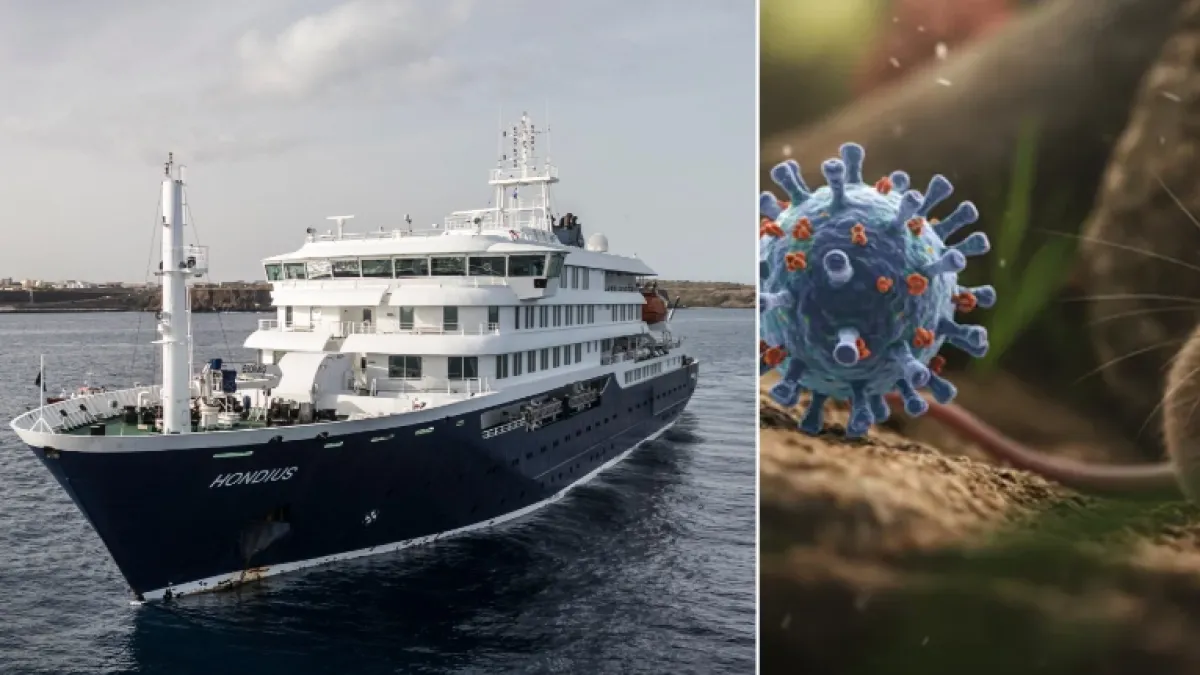
Hantavirus Outbreak on Cruise Ship: Passengers Isolated in Spain, USA, and Canada
A hantavirus outbreak aboard the MV Hondius has triggered a coordinated international health response, with passengers isolated in Canada, New Jersey and Spain. As the vessel nears Tenerife, Spanish ministers and the WHO director are coordinating evacuations and quarantine protocols to prevent a cross-border health crisis.
Here’s more than a localized medical emergency; it is a high-stakes stress test for post-pandemic diplomacy. The movement of a contaminated vessel across maritime borders forces a collision between national sovereignty—specifically border control and public health mandates—and the overarching requirements of global health security. When a Dutch-flagged vessel becomes a floating biohazard, the legal and logistical friction between the flag state, the port of arrival, and the home countries of the passengers creates a vacuum of accountability.
The current crisis exposes the fragility of international health corridors. For the Spanish government, the arrival of the MV Hondius in Tenerife is not merely a logistical hurdle but a political minefield. The specter of the 2020 pandemic remains a potent psychological driver in European policy, making any mention of “quarantine” or “isolation” a catalyst for public anxiety and political scrutiny.
The Tenerife Coordination: A Diplomatic High-Wire Act
The decision to dispatch the Spanish Minister of Health, the Minister of Interior, and the Director of the World Health Organization (WHO) to Tenerife underscores the volatility of the situation. This is a “top-down” intervention designed to signal control. By placing the Director of the WHO on the ground, Spain is effectively internationalizing the risk, ensuring that the burden of the response—and the potential fallout of any failure—is shared with the global community.
Tenerife, as a critical hub for Atlantic transit, now serves as the epicenter of a transnational containment operation. The coordination required to evacuate passengers while maintaining strict isolation protocols is immense. This is where the theoretical frameworks of the International Health Regulations (IHR) meet the messy reality of port operations. The tension lies in the balance between the humanitarian need to evacuate the sick and the security need to seal the vessel.

For the corporations managing these assets, the chaos is a warning. Multinational operators are increasingly relying on global risk management consultants to draft contingency plans that account for “zoonotic jumps” and maritime quarantines, which can freeze assets and bankrupt operators overnight.
“The intersection of maritime law and global health security is often where the most significant gaps in international governance appear. When a vessel is in transit, the ‘flag state’ holds jurisdiction, but the ‘port state’ holds the power of denial. This creates a diplomatic deadlock that only high-level intervention can break.”
Transnational Containment: From New Jersey to Canada
The reach of the MV Hondius outbreak extends far beyond the Canary Islands. With suspected cases and isolated individuals appearing in Canada and New Jersey, the crisis has shifted from a maritime event to a terrestrial public health challenge. The United States has already signaled its intention to evacuate its citizens from the ship, a move that prioritizes national interest and the rapid repatriation of its population to minimize domestic spread.
This fragmented approach—where different nations apply varying levels of isolation and repatriation urgency—creates “leakage” in the containment strategy. If one nation’s protocol is more lax than another’s, the entire global effort is compromised. The isolation of passengers in New Jersey and Canada reflects a cautious, defensive posture, but it also highlights the logistical nightmare of tracking passengers who disembarked at various points of the journey.
This logistical fragmentation is a nightmare for insurance underwriters and corporate legal teams. As liabilities shift from the cruise operator to the state-run health facilities in different jurisdictions, the need for international maritime law specialists becomes acute. Determining whether the outbreak resulted from negligence in vessel maintenance or an unavoidable environmental encounter is a legal battle that will likely last years.
It is a race against the clock.
The Maritime Legal Labyrinth and Economic Risk
The MV Hondius is a Dutch-flagged vessel, adding a layer of European Union maritime complexity to the crisis. Under international law, the flag state is responsible for the vessel’s sanitary conditions, yet the operational reality is that the ship is currently a liability for Spain. This discrepancy creates a “grey zone” in funding and responsibility for the evacuation and medical care of non-Spanish nationals.
From a macro-economic perspective, this event threatens the stability of the luxury expedition cruise sector. These high-margin journeys often venture into remote ecological zones, increasing the risk of exposure to rare pathogens. A single high-profile outbreak can trigger a collapse in consumer confidence and a surge in insurance premiums for the entire industry.
the impact on Tenerife’s local economy cannot be ignored. The fear of contagion can lead to a sudden drop in tourism FDI (Foreign Direct Investment) and a decline in short-term visitor arrivals. To mitigate this, local authorities are forced to engage crisis communication agencies to manage the narrative and prevent a localized panic from becoming a regional economic downturn.
The global economy is now inextricably linked to biological security. A virus on a boat is not just a medical issue; it is a disruption to the flow of people, capital, and trust across borders.
The MV Hondius incident is a stark reminder that our globalized world is only as secure as its weakest biological link. As we move further into an era of climate instability and increased human-animal interaction, the “zoonotic event” will move from a rare occurrence to a systemic risk. The chessboard has shifted; national borders are no longer barriers to disease, but they remain the primary tools for managing the political fallout. For those navigating this new landscape—whether they are state actors or multinational corporations—the only defense is a sophisticated network of legal, medical, and strategic partners. The World Today News Directory remains the essential resource for identifying the international consultants and legal experts capable of managing the fallout when the next global crisis docks at your port.