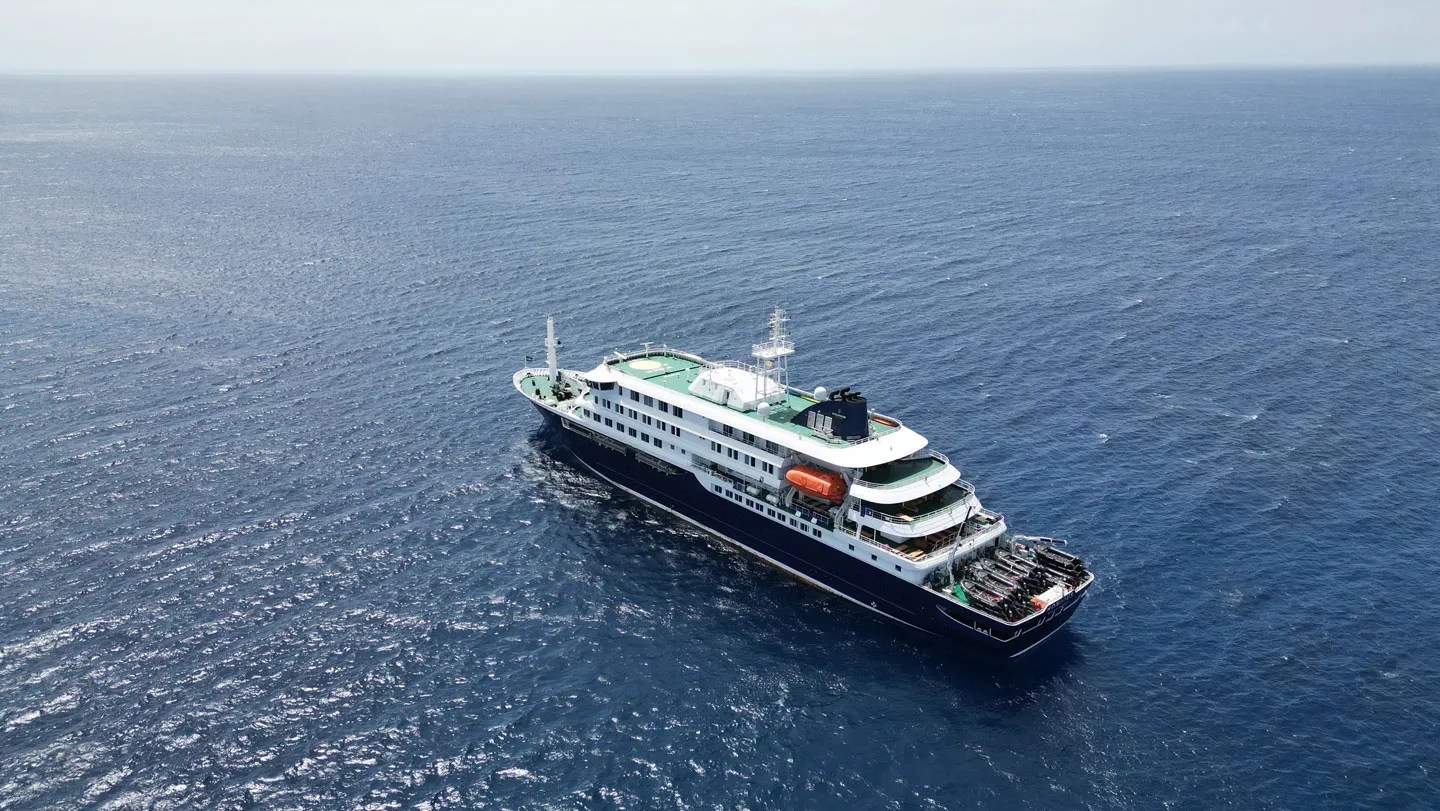
Hantavirus Outbreak on Cruise Ship: How Did It Spread & Is Human Transmission Possible?
A cluster of severe respiratory illnesses aboard a Dutch-flagged cruise ship—now confirmed as hantavirus—has reignited global concern over zoonotic spillover events. As of May 4, 2026, seven cases (two laboratory-confirmed, five suspected) have emerged among 147 passengers and crew, with three fatalities and one patient critically ill. The outbreak forces a reckoning with how rare pathogens exploit modern mobility, and what healthcare systems must do to respond.
Key Clinical Takeaways:
- Hantavirus transmission aboard ships is exceedingly rare but occurs through rodent exposure (urine, feces, saliva), with Andes virus the only known strain capable of limited human-to-human spread.
- Symptoms progress from fever and gastrointestinal distress to acute respiratory distress syndrome (ARDS) and shock within 4–10 days, with a case fatality rate up to 50% in untreated cases.
- Public health response relies on rapid isolation, supportive care, and rodent control—no vaccine or antiviral exists, underscoring the need for specialized infectious disease units.
Zoonotic Spillover: How Hantavirus Crossed the Threshold
The cruise ship’s outbreak aligns with established pathogenesis for hantaviruses: rodents (likely deer mice, the primary reservoir in the Americas) transmit the virus via aerosolized excretions. The World Health Organization (WHO) confirms the cluster’s onset occurred between April 6–28, 2026, with symptoms including fever, gastrointestinal symptoms, and rapid progression to pneumonia—a hallmark of hantavirus pulmonary syndrome (HPS) [WHO DON 2026-599].
Critical to this event is the Andes virus, the only hantavirus strain documented for limited human-to-human transmission. Per the CDC, this occurs primarily through close contact with infected bodily fluids, though the cruise ship’s cases have not yet confirmed secondary spread [CDC Situation Summary]. The WHO’s risk assessment remains low for global spread, but the outbreak underscores vulnerabilities in maritime quarantine protocols.
“This represents a stark reminder that cruise ships, with their dense populations and limited rodent control, can act as petri dishes for zoonotic diseases. The absence of a prophylactic vaccine means our response must focus on early detection and supportive care—areas where infectious disease specialists are indispensable.”
Clinical Trajectory: From Exposure to ARDS
The outbreak’s timeline reveals a biphasic illness pattern characteristic of HPS. Initial symptoms—fatigue, fever, myalgia—mirror influenza, delaying diagnosis. By days 4–10, patients develop noncardiogenic pulmonary edema, leading to ARDS and shock, as seen in the three fatalities [CDC Hantavirus Overview].

| Phase | Symptom Onset | Critical Complications | Case Fatality Risk |
|---|---|---|---|
| Early (1–8 weeks post-exposure) | Fever, myalgia, GI distress | None (diagnostic window) | Low (if untreated) |
| Late (4–10 days post-symptom onset) | Cough, dyspnea, hypotension | ARDS, shock, multi-organ failure | Up to 50% without ICU support |
Supportive care—mechanical ventilation, fluid management, and renal support—remains the standard of care. The WHO emphasizes that no specific antiviral therapy exists, though ribavirin has shown limited efficacy in hemorrhagic fever with renal syndrome (HFRS) cases [WHO Hantavirus Fact Sheet]. Research funded by the NIH’s National Institute of Allergy and Infectious Diseases (NIAID) is exploring monoclonal antibodies, but Phase III trials are years away.
Public Health Gaps: Where the System Fails
The cruise ship outbreak exposes three critical vulnerabilities:
- Rodent surveillance: Ships lack standardized protocols for rodent detection. The CDC recommends environmental health consultants to audit high-risk areas like galleys and storage holds.
- Diagnostic delays: Hantavirus is often misdiagnosed as influenza or COVID-19. Clinics should integrate specialized serology testing via PCR or ELISA.
- Human-to-human transmission: The Andes virus’s potential for secondary spread demands contact tracing. Hospitals should consult infectious disease attorneys to navigate quarantine protocols.
“Cruise lines must treat rodent control as a public health imperative, not a cost-cutting measure. The economic impact of a single outbreak—medical evacuations, lawsuits, reputational damage—far outweighs the price of proactive pest management.”
The Future: Vaccines and Global Preparedness
While no hantavirus vaccine is licensed, research into recombinant subunit vaccines (funded by the U.S. BARDA) shows promise in preclinical models. However, development faces hurdles: hantaviruses’ high genetic diversity and the lack of commercial incentive for a niche pathogen. In the interim, board-certified infectious disease physicians will lead the response, leveraging telemedicine to triage suspected cases in remote settings.

The cruise ship outbreak is a microcosm of broader challenges: globalization accelerates pathogen spread, while healthcare infrastructure lags in adaptability. The solution lies in proactive epidemiology—not reactive containment. For travelers, clinicians, and public health officials, the message is clear: vigilance in rodent-prone environments is non-negotiable.
Disclaimer: The information provided in this article is for educational and scientific communication purposes only and does not constitute medical advice. Always consult with a qualified healthcare provider regarding any medical condition, diagnosis, or treatment plan.