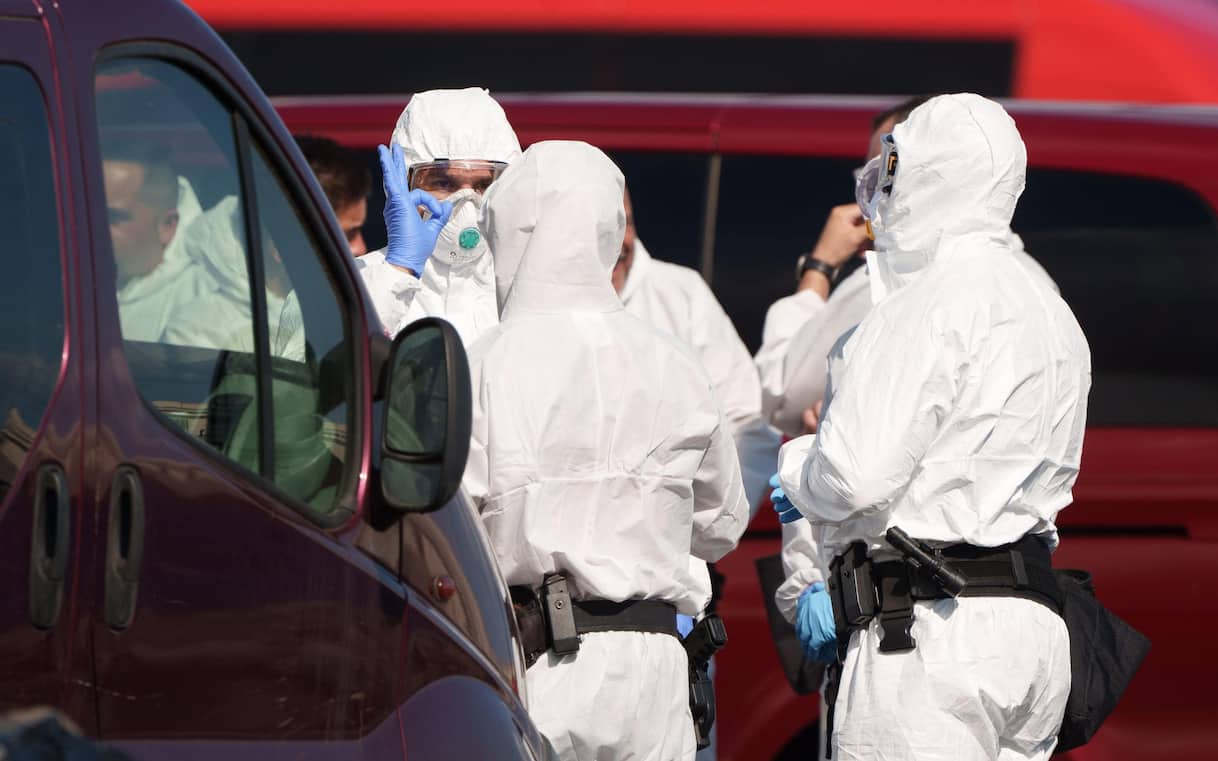
Hantavirus in Italy: Suspected Case Under Investigation at Spallanzani Institute
Italian health authorities have initiated an urgent diagnostic protocol following suspected cases of hantavirus, prompting the strict quarantine of individuals and the mobilization of Rome’s premier infectious disease center. The situation has escalated with reports of a critically ill patient in intensive care, highlighting the volatile nature of zoonotic respiratory threats in Europe.
Key Clinical Takeaways:
- Biological samples from a 25-year-old Calabrian seaman are being analyzed at the Spallanzani Institute to confirm or rule out hantavirus infection.
- A French national, identified as infected, remains in serious condition and is currently receiving treatment in an intensive care unit.
- Public health measures, including targeted quarantine and intensified monitoring, have been deployed to prevent potential community transmission.
The current clinical crisis centers on the intersection of international travel and zoonotic spillover. While the National Institute for Infectious Diseases “Lazzaro Spallanzani” in Rome has clarified that it does not yet have a confirmed hantavirus patient admitted to its wards, the facility is operating as the primary diagnostic hub for biological samples arriving from the field. The urgency of the situation is underscored by the condition of a French woman whose infection has progressed to a critical stage, requiring life-support interventions in a reanimation unit. This stark disparity in clinical presentation—between a critically ill patient and a 25-year-old man who maintains he is asymptomatic—illustrates the wide spectrum of hantavirus morbidity.
The Diagnostic Triage at Spallanzani
The transfer of biological samples from the 25-year-old Calabrian man to the Spallanzani Institute represents a critical step in the epidemiological “ring-fencing” of the virus. In cases of suspected hantavirus, the window for effective clinical intervention is narrow. The diagnostic process involves highly specialized assays to detect viral RNA or specific antibodies, a process that requires the precision of certified diagnostic laboratories capable of handling high-consequence pathogens.
The discrepancy in reporting regarding the 25-year-old’s status—with some accounts labeling him symptomatic and others quoting the patient as feeling well—highlights the deceptive prodromal phase of the virus. Early symptoms often mimic common influenza, involving fatigue and muscle aches, before progressing to severe respiratory distress. For healthcare providers managing suspected cases, the priority is early identification to avoid the rapid onset of pulmonary edema.
“The challenge with hantaviruses lies in their clinical mimicry; by the time classic respiratory failure manifests, the capillary leak syndrome is often well-advanced, leaving clinicians with a exceptionally limited therapeutic window.”
Viral Pathogenesis and the Mechanism of Respiratory Failure
To understand the risk posed by these cases, one must examine the pathogenesis of the virus. Hantaviruses typically cause disease through a process of systemic vascular leakage. Unlike many respiratory viruses that primarily destroy alveolar tissue, hantaviruses trigger an intense immune response that increases capillary permeability. This leads to the accumulation of fluid in the lungs, effectively causing the patient to drown internally—a condition known as Hantavirus Pulmonary Syndrome (HPS).

The morbidity associated with HPS is high, often requiring aggressive ventilatory support. Because there is currently no widely approved antiviral cure, the standard of care remains supportive. This necessitates the expertise of board-certified infectious disease specialists who can manage the delicate balance of fluid resuscitation and oxygenation without exacerbating pulmonary edema. The biological mechanism involves the virus targeting the endothelial cells of the blood vessels, which triggers a “cytokine storm” that compromises the integrity of the blood-air barrier in the lungs.
Further clinical data on the progression of these syndromes can be found through peer-reviewed repositories such as PubMed and the World Health Organization (WHO), which document the global distribution of these viral strains.
Public Health Infrastructure and Regulatory Hurdles
The decision to place individuals in quarantine is a preventative measure designed to mitigate the risk of person-to-person transmission, although such transmission is historically rare and typically associated with specific strains. However, the implementation of such measures creates a complex intersection of public health necessity and individual civil liberties. In the wake of these quarantine orders, healthcare facilities and government bodies often seek the guidance of healthcare compliance attorneys to ensure that isolation protocols adhere to both national laws and international health regulations.
The operational funding for the diagnostic response in this instance is managed through the public health mandate of the Italian National Health Service (SSN), which supports the Spallanzani Institute’s role as a reference center. This infrastructure is vital for the rapid sequencing of the virus, which allows epidemiologists to determine if the strain is a known regional variant or a novel mutation with increased virulence.
Future Trajectory of Zoonotic Surveillance
This event serves as a potent reminder of the fragility of the barrier between animal reservoirs and human populations. As climate shifts alter the habitats of rodent vectors, the geographical footprint of hantaviruses is expected to expand. The current situation in Italy underscores the need for a permanent, integrated surveillance system that connects primary care physicians with high-level diagnostic centers.
Moving forward, the focus must shift from reactive quarantine to proactive environmental monitoring. The ability to detect viral shedding in rodent populations before human spillover occurs could fundamentally change the public health approach to hantaviruses. Until such systems are fully realized, the reliance on elite diagnostic hubs like Spallanzani remains our primary defense against the sudden emergence of zoonotic threats.
For those concerned about environmental exposure or seeking specialized screenings for rare zoonotic infections, it is imperative to coordinate care through vetted medical professionals who specialize in environmental medicine and infectious pathology.
Disclaimer: The information provided in this article is for educational and scientific communication purposes only and does not constitute medical advice. Always consult with a qualified healthcare provider regarding any medical condition, diagnosis, or treatment plan.