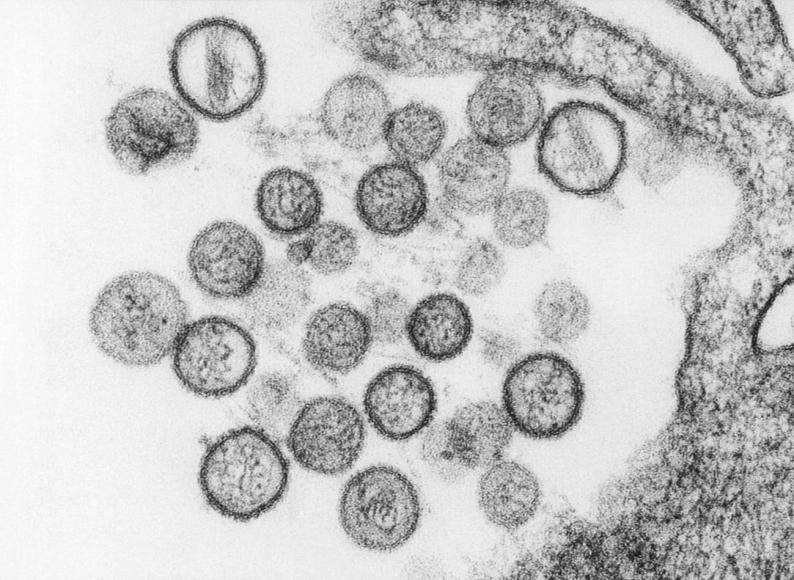
Hantavirus Explained: Genetic Factors and Infection Progression
The recent emergence of hantavirus cases—most notably the clinical stabilization of a patient involved in the MV Hondius cruise ship cluster—has reignited long-standing questions regarding the extreme variability in human clinical outcomes. While exposure to rodent excreta remains the primary vector for hantavirus cardiopulmonary syndrome (HCPS), the medical community is increasingly focused on the “genetic lottery”: the underlying host factors that dictate why one individual remains asymptomatic or suffers mild illness while another faces rapid, potentially fatal respiratory collapse.
Key Clinical Takeaways:
- Hantaviruses are zoonotic pathogens primarily transmitted via aerosolized rodent urine, droppings, or saliva, causing distinct syndromes: HCPS in the Americas and hemorrhagic fever with renal syndrome (HFRS) in Europe and Asia.
- Clinical progression is not uniform. host genetic factors and immune response dynamics are critical determinants in the severity of pulmonary and renal complications.
- Early supportive care, specifically monitoring for cardiac and respiratory distress, remains the current gold standard, as no definitive curative pharmacotherapy exists.
The Pathogenesis of Variable Clinical Severity
The pathogenesis of hantavirus infection begins when the virus enters the human host, typically through inhalation. Once the virus establishes a foothold, its surface proteins, Gn and Gc, engage with β-integrin receptors on host cells. According to research published in Frontiers in Microbiology, the mechanism by which these viruses disseminate throughout the human body and trigger systemic inflammation is still being mapped with precision. The intense morbidity observed in severe cases—often characterized by rapid vascular leakage and pulmonary edema—is less a function of the viral load alone and more a reflection of a dysregulated host immune response.

For clinicians, this necessitates a high index of suspicion. Patients presenting with non-specific prodromal symptoms such as fever, myalgia, and fatigue—particularly those with recent exposure to rural or confined environments where rodent populations may be present—require immediate triage. The Centers for Disease Control and Prevention (CDC) notes that symptoms of HCPS typically manifest one to eight weeks post-exposure. Delayed diagnosis often compounds the risk, as the transition from early malaise to acute respiratory failure can occur with alarming velocity.
“The clinical trajectory of hantavirus is fundamentally dictated by the host’s innate immune signaling. When the cytokine response is disproportionate, the resulting vascular permeability leads to the rapid decompensation observed in our most critical patients,” notes a senior consultant in infectious disease medicine.
Diagnostic Challenges and Systemic Monitoring
Managing hantavirus requires a multidisciplinary approach, as the condition can evolve into multi-organ failure. In the absence of a specific antiviral cure, the standard of care centers on aggressive supportive therapy. This includes meticulous clinical monitoring of cardiac output and respiratory function. For healthcare facilities, maintaining the readiness to manage these complications is paramount. This proves essential for providers to leverage advanced diagnostic support; for those managing suspected zoonotic clusters, connecting with board-certified infectious disease specialists is a critical step in optimizing patient outcomes.
the epidemiological landscape is shifting. While the Andes virus is recognized as the only hantavirus with documented human-to-human transmission, most variants remain strictly zoonotic. The focus for public health, remains on environmental mitigation. However, when a patient presents with unexplained acute respiratory distress, the need for rapid diagnostic testing and specialized critical care infrastructure becomes an urgent priority. Facilities lacking internal infectious disease protocols should consult with healthcare management consultants to ensure their triage workflows are robust enough to handle high-consequence, low-frequency viral outbreaks.
Future Directions in Therapeutic Research
Current research into the genetic predispositions of hantavirus susceptibility is being conducted globally, often through international academic partnerships and institutional grants. These studies aim to identify specific HLA (Human Leukocyte Antigen) markers that may correlate with increased disease severity. Understanding these markers could eventually lead to personalized risk assessment models, though such innovations are currently in the pre-clinical or observational phase.

As the clinical community refines its understanding of how host genetics interact with viral proteins, the focus remains on closing the gap in early intervention. For medical practices and diagnostic centers looking to improve their capability in identifying and treating rare zoonotic infections, the integration of advanced molecular diagnostics is no longer optional. Engaging with accredited clinical pathology laboratories can ensure that providers have the diagnostic agility required to navigate the complexities of emerging viral threats.
The “genetic lottery” of hantavirus serves as a stark reminder of the complexity of human-pathogen interactions. While we cannot yet alter the host’s genetic response, we can certainly optimize the environment of care. By prioritizing early identification, rigorous hemodynamic monitoring, and rapid access to specialized infectious disease expertise, the medical community can mitigate the risks posed by these elusive and potentially devastating pathogens.
Disclaimer: The information provided in this article is for educational and scientific communication purposes only and does not constitute medical advice. Always consult with a qualified healthcare provider regarding any medical condition, diagnosis, or treatment plan.