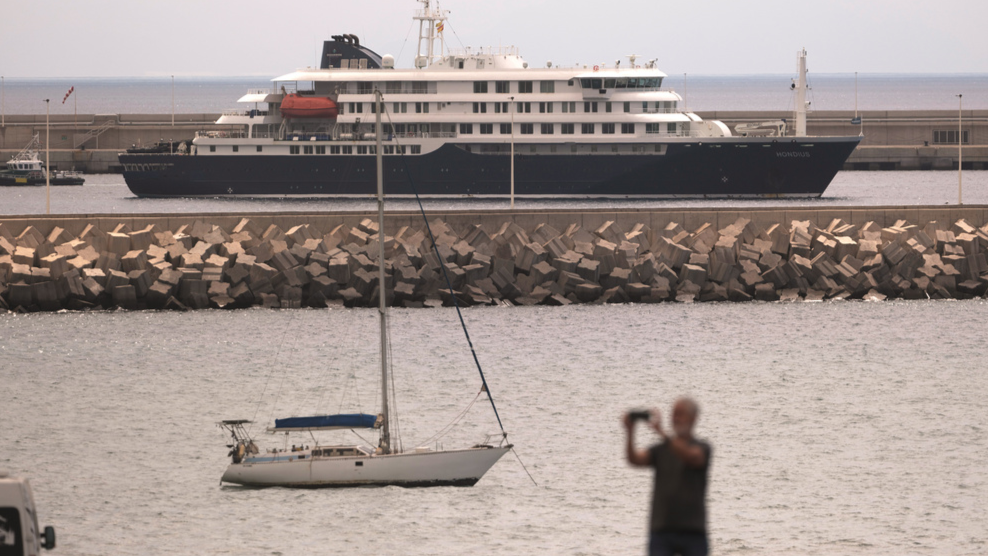
Hantavirus Cruise Ship Outbreak: Passenger Evacuations and Quarantine
The MV Hondius, a cruise ship central to a deadly hantavirus outbreak, has finally set sail for the Netherlands following the evacuation of its remaining passengers. This repatriation effort marks the end of a high-stakes maritime health crisis that has strained international coordination and highlighted the volatility of zoonotic disease transmission in confined environments.
Key Clinical Takeaways:
- The final phase of passenger evacuation from the MV Hondius is complete, with the vessel now transitioning to the Netherlands.
- Repatriation efforts have involved complex logistics for American and Australian citizens, including immediate transfers to specialized quarantine facilities.
- New positive test results among evacuees underscore the challenges of containment and the potential for prolonged viral shedding.
The intersection of global tourism and zoonotic spillover creates a unique epidemiological vulnerability. When a pathogen like hantavirus—typically sequestered in rodent populations—enters a closed-loop system such as a cruise ship, the risk of morbidity increases not only for the passengers but for the crew and the port cities involved in repatriation. The current crisis involving the MV Hondius serves as a clinical case study in the difficulties of diagnosing rare viral infections in transit and the subsequent regulatory hurdles of international quarantine.
The Pathogenesis of Hantavirus and Zoonotic Risk
Hantaviruses are enveloped RNA viruses that primarily target the vascular endothelium, leading to increased capillary permeability. In humans, this manifests as Hantavirus Pulmonary Syndrome (HPS) or Hemorrhagic Fever with Renal Syndrome (HFRS), depending on the strain. The primary mechanism of action involves the dysfunction of the endothelial lining in the lungs or kidneys, which triggers a rapid accumulation of fluid—pulmonary edema in the case of HPS—leading to severe respiratory distress and potential organ failure.


According to established clinical guidelines from the World Health Organization (WHO), the primary route of infection is the inhalation of aerosolized viral particles from the saliva, urine, or feces of infected rodent reservoirs. Once the virus crosses the mucosal barrier, it replicates within the host, often remaining asymptomatic during the incubation period before progressing to a febrile phase. This “silent” window is what makes the MV Hondius outbreak particularly perilous. passengers may have been shedding the virus or progressing toward critical illness while still aboard the vessel.
“The challenge with zoonotic respiratory viruses in maritime settings is the delay between initial exposure and the onset of acute clinical symptoms, which often allows the pathogen to circulate undetected within the population.”
For those presenting with atypical respiratory distress or unexplained febrile illness following travel, immediate intervention is critical. Patients should be referred to board-certified infectious disease specialists to differentiate hantavirus from more common respiratory pathogens through specialized serological testing and RT-PCR assays.
Global Repatriation and the Logistics of Containment
The evacuation of the MV Hondius has been described as a “difficult” mission, particularly regarding the repatriation of Australian passengers who are en route to a long-term quarantine in Perth. The logistics of moving potentially infected individuals across international borders require a rigorous biosafety protocol to prevent secondary transmission. In the United States, passengers who tested positive for the virus were immediately flown to a dedicated quarantine center upon arrival, reflecting a strategy of aggressive isolation to mitigate community spread.

The complexity of this operation is compounded by the emergence of new cases. Reports indicate that as the last passengers left the ship, three more individuals tested positive for the virus. This suggests a prolonged window of infectivity or a delayed onset of detectable viral loads, complicating the timeline for clearing passengers from isolation. The necessity for high-sensitivity testing means that many of these individuals must be processed through ISO-certified diagnostic laboratories capable of handling high-consequence pathogens.
The funding for the surveillance and coordination of such outbreaks typically falls under the purview of national health ministries and the WHO, which provide the epidemiological framework for quarantine durations and symptom monitoring. The goal is to ensure that no individual enters the general population until the risk of viral shedding has effectively reached zero.
Legal Implications and Maritime Health Liability
Beyond the clinical crisis, the MV Hondius outbreak has opened a significant legal debate regarding the liability of cruise lines in the event of a zoonotic outbreak. Current maritime legal frameworks often shield operators from liability when a disease is introduced via an external biological vector, such as rodents, provided the ship met basic sanitary standards.
Legal analysts suggest that passengers may find it nearly impossible to recover damages from the cruise line, as hantavirus is often categorized as an “act of nature” or an unavoidable biological event rather than a failure of duty of care. This creates a protection gap for passengers who suffer long-term morbidity or death due to an outbreak occurring on a commercial vessel. As these cases move toward litigation, many affected families are seeking specialized maritime law attorneys to navigate the complex jurisdictional challenges of international waters and passenger contracts.
The lack of clear liability encourages a necessary shift toward more transparent health reporting by cruise operators. If the legal burden remains low, the impetus for investing in advanced onboard diagnostic capabilities remains minimal, leaving passengers vulnerable to the same gaps in detection that characterized the MV Hondius event.
As the vessel arrives in the Netherlands, the medical community must reflect on the systemic failures that allowed a rodent-borne virus to incapacitate a modern cruise ship. The future of maritime health lies in the integration of real-time biosurveillance and a more robust legal framework that prioritizes passenger health over corporate immunity. Until such standards are codified, the risk of zoonotic spillover remains a persistent threat to global travel.
Disclaimer: The information provided in this article is for educational and scientific communication purposes only and does not constitute medical advice. Always consult with a qualified healthcare provider regarding any medical condition, diagnosis, or treatment plan.