Hantavirus Alert: Transmission Risks and Prevention Strategies in Asia
The recent quarantine of passengers in Taiwan following a suspected hantavirus outbreak on a cruise ship has reignited global concerns regarding the epidemiological footprint of this zoonotic threat. As cases are reported across several Asian nations, the intersection of environmental factors and public health preparedness has become a critical focal point for medical professionals and policymakers alike.
Key Clinical Takeaways:
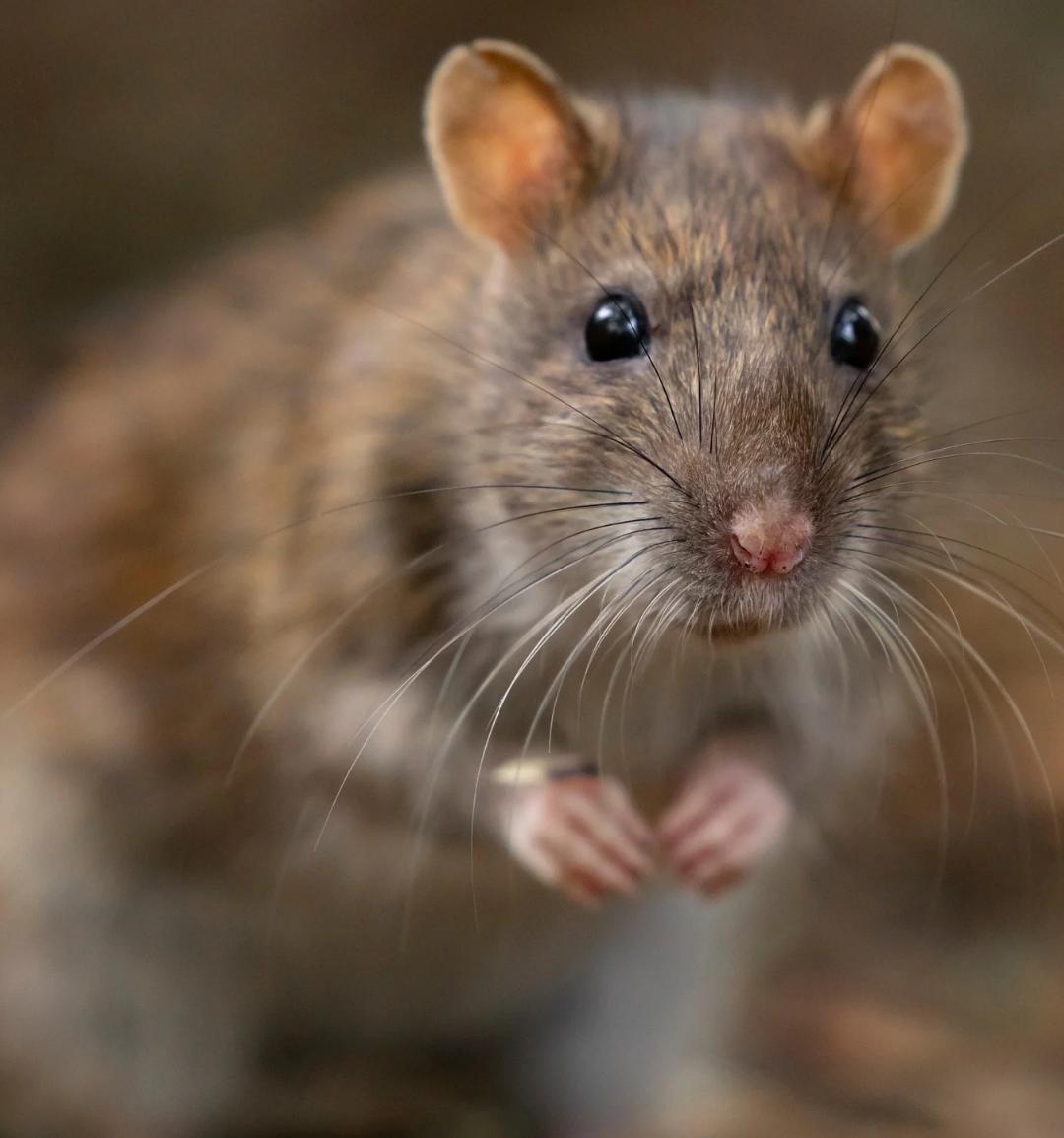
- Primary Transmission Vector: Approximately 99% of hantavirus infections are transmitted via contact with infected rodents, specifically through their saliva, urine, or droppings, rather than through human-to-human contact.
- Clinical Progression: Early manifestations often mimic influenza—including fever and myalgia—but can rapidly progress to severe respiratory or renal complications within days.
- Mitigation Strategy: Effective prevention relies heavily on aggressive rodent vector control, environmental hygiene and enhanced public health education to reduce human-rodent interaction.
The current landscape of hantavirus activity in Asia presents a complex challenge for regional health infrastructures. From the localized crisis involving a cruise ship off the coast of West Africa to the broader distribution of the virus across various Asian territories, the potential for increased morbidity is significant. This surge has prompted a multifaceted response, ranging from legislative calls for enhanced mitigation in Jakarta to specialized epidemiological assessments by experts at Universitas Gadjah Mada (UGM). The medical community is now tasked with bridging the gap between recognizing these sporadic outbreaks and implementing a standardized, proactive public health defense.
The Zoonotic Pathogenesis and Transmission Dynamics
Understanding the biological mechanism of hantavirus is essential for effective clinical triage and community prevention. Unlike many respiratory viruses that thrive on human-to-human transmission, hantaviruses are primarily zoonotic. The pathogenesis involves the human host coming into contact with the excreta of infected rodents. Inhalation of aerosolized particles from dried urine or droppings, or direct contact through bites or scratches, allows the virus to enter the human system.
Health officials have been quick to clarify the nature of this threat to prevent unnecessary public alarm regarding person-to-person spread. During recent discussions regarding the virus’s prevalence, the Indonesian Minister of Health emphasized the specific nature of the transmission risk, noting that the vast majority of cases are not a result of human interaction.

“99 percent of hantavirus transmission occurs through rodents, not between humans.”
This distinction is vital for hospital protocols and quarantine management. While human-to-human transmission remains an outlier—documented primarily in specific strains like the Andes virus—the overwhelming clinical reality is that the rodent reservoir is the primary driver of outbreaks. For healthcare facilities managing potential exposures, the priority must be on identifying the environmental source and implementing strict disinfection protocols. In cases where a patient presents with unexplained febrile illness following potential rodent exposure, immediate consultation with infectious disease specialists is recommended to facilitate rapid diagnostic confirmation.
The management of these cases often requires advanced diagnostic laboratories capable of performing specialized serological or molecular testing to differentiate hantavirus from other endemic febrile illnesses. The ability to accurately identify the viral strain is paramount for predicting the clinical trajectory and potential complications.
Clinical Manifestations and Diagnostic Challenges
The clinical presentation of hantavirus can be deceptive, often beginning with non-specific symptoms that mirror common seasonal illnesses. Patients typically present with a prodromal phase characterized by fatigue, fever, and significant muscle aches, particularly in the large muscle groups such as the thighs, hips, and back. Approximately half of all infected individuals also report headaches, dizziness, chills, and gastrointestinal distress, including nausea and abdominal pain.
The danger of hantavirus lies in its rapid progression. Between four and ten days after the onset of initial symptoms, the illness can transition into a critical phase. This stage may involve severe respiratory distress as the lungs fill with fluid, or complications affecting the kidneys and heart. The window for medical intervention is narrow; early supportive care is the cornerstone of improving survival rates, focusing on the intensive management of respiratory and renal complications.
Because the incubation period can range from two to eight weeks, contact tracing must extend far beyond the immediate period of symptom onset. This temporal complexity requires a high degree of clinical vigilance and robust epidemiological surveillance to prevent localized outbreaks from escalating into broader public health crises.
Legislative Response and Public Health Infrastructure
The emergence of hantavirus in the regional news cycle has not gone unnoticed by policymakers. In Jakarta, legislators have formally called for the strengthening of education and mitigation strategies to protect the public. This legislative push highlights a critical need for integrated health systems that can respond not only to clinical outbreaks but also to the environmental drivers of disease.

Strengthening public health infrastructure involves several key components:
- Enhanced Surveillance: Implementing rigorous monitoring of rodent populations in urban and peri-urban areas to identify potential viral reservoirs.
- Public Literacy Campaigns: Educating communities on the risks of rodent infestation and the importance of maintaining hygienic environments to minimize contact with animal excreta.
- Regulatory Oversight: Ensuring that sanitation and housing standards are strictly enforced to reduce the likelihood of rodent encroachment into human living spaces.
As health departments scale their response, the regulatory environment becomes increasingly complex. Organizations involved in public health management, food safety, and urban sanitation must navigate evolving protocols. Many are increasingly engaging healthcare compliance attorneys to ensure that their mitigation and response strategies align with both national health mandates and international biosafety standards.
These public health initiatives are typically supported by state-funded research institutions and national health ministries, ensuring that the data driving these policies is rooted in rigorous, peer-reviewed science. The expertise provided by academic institutions like Universitas Gadjah Mada (UGM) is instrumental in translating complex epidemiological data into actionable prevention strategies for the general population.
The current hantavirus situation serves as a potent reminder that public health is inextricably linked to environmental management. As we move forward, the focus must remain on proactive rather than reactive measures. By investing in robust surveillance, supporting the work of specialized clinicians, and addressing the legislative requirements for community-wide mitigation, we can better prepare for the inevitable challenges posed by zoonotic pathogens. The future of regional health security depends on our ability to turn clinical intelligence into decisive, community-wide action.
Disclaimer: The information provided in this article is for educational and scientific communication purposes only and does not constitute medical advice. Always consult with a qualified healthcare provider regarding any medical condition, diagnosis, or treatment plan.