
Hansung University Expands Global Education: From Mongolia to Indonesia & China
South Korea’s Hansung University is aggressively expanding its educational footprint beyond domestic borders, forging partnerships in Mongolia, China, India, and Indonesia to export its aviation and design programs. This strategic move addresses a global skills gap while simultaneously diversifying revenue streams, presenting opportunities for specialized international education consulting firms to navigate complex regulatory landscapes.
The Rise of ‘Education Export’ and the Global Skills Bottleneck
The conventional university model is undergoing a seismic shift. Hansung University’s (HSU) strategy isn’t simply about attracting international students. it’s about proactively deploying its educational infrastructure – curricula, faculty, and accreditation – directly into high-demand markets. This is a particularly acute need in specialized fields like aviation, where a global pilot shortage is predicted to reach 80,000 by 2032, according to Oliver Wyman’s 2023 Pilot Demand Forecast. The university’s initial success in Mongolia, graduating 64 alumni now working as pilots and air traffic controllers, demonstrates a viable model for addressing this critical skills gap. This expansion isn’t merely academic; it’s a calculated response to a quantifiable economic problem.
From Mongolia to China: A Model for Scalable Educational Partnerships
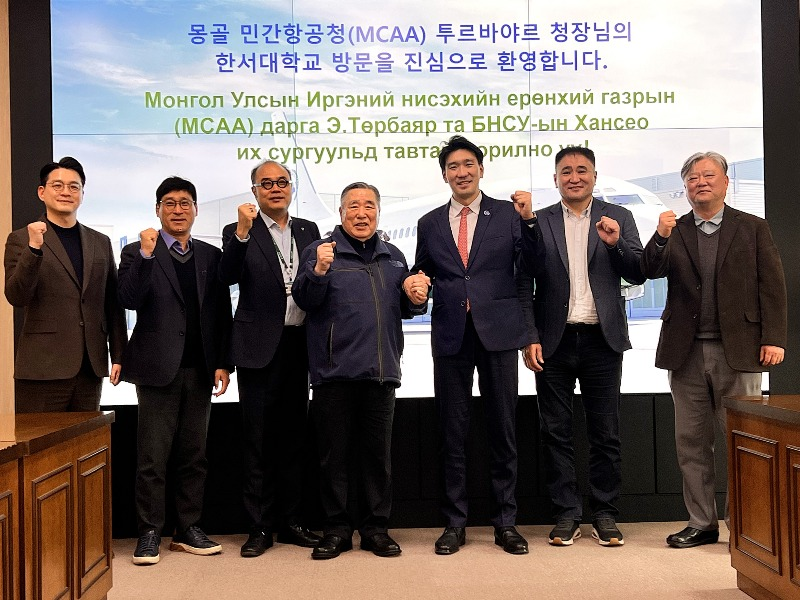
HSU’s partnership with the Mongolian Civil Aviation Authority (MCAA) dates back to 2017, achieving initial accreditation in 2022. This long-term commitment has yielded tangible results, establishing a pipeline of qualified aviation professionals for Mongolia’s growing airline industry. The recent approval of a joint design and engineering master’s program with Anhui Polytechnic University in China by the Chinese Ministry of Education marks a significant escalation. This 2+1 program – two years in South Korea, one in China – will enroll 50 students annually, awarding dual degrees. This isn’t just a student exchange; it’s a fully accredited, government-recognized academic program. The financial implications are substantial. Tuition for international master’s programs in South Korea averages $15,000 per year, suggesting potential annual revenue of $750,000 from the China program alone. But, these expansions require meticulous legal structuring and compliance, creating demand for specialized international corporate law firms experienced in cross-border education agreements.
“The global demand for skilled professionals, particularly in technical fields, is outpacing traditional educational capacity. Universities that can adapt and export their expertise will be best positioned to thrive in the coming decades.” – Dr. Anya Sharma, Managing Director, Global Education Investments, a private equity firm focused on the education sector.
India and Indonesia: Expanding the Global Network
HSU’s ambitions extend beyond East Asia. A recent agreement with KIIT and KISS universities in India will establish a joint robotics engineering department and expand collaboration in aviation maintenance, repair, and overhaul (MRO). The partnership with KISS, a unique institution providing free education to indigenous communities, adds a social impact dimension to HSU’s global strategy. Simultaneously, HSU is establishing a presence in Indonesia through a memorandum of understanding with the National University of Indonesia, leveraging local education platforms like GlobalKita and Makara UI Academy to recruit students and deliver Korean language training. This multi-pronged approach – program export, degree co-creation, and overseas recruitment – demonstrates a sophisticated understanding of the global education landscape.
The Financial Implications: Beyond Tuition Revenue
While tuition revenue is a primary driver, the financial benefits extend beyond direct enrollment. Successful program exports enhance HSU’s brand reputation, attracting higher-quality students and research funding. The MRO collaboration in India, for example, could lead to lucrative research contracts and consulting opportunities. The establishment of overseas campuses or training centers creates opportunities for ancillary revenue streams, such as accommodation, catering, and educational materials. However, navigating international financial regulations and currency exchange risks is crucial. According to the Bank of Korea’s latest data, South Korea’s overseas direct investment increased by 12.5% in 2025, highlighting the growing trend of Korean companies expanding internationally. This necessitates robust financial risk management strategies and potentially the engagement of specialized international financial consulting firms.
A Comparative Look at Global University Expansion Strategies
| University | Expansion Strategy | Key Markets | Financial Model |
|---|---|---|---|
| Hansung University | Program Export, Degree Co-creation, Overseas Recruitment | Mongolia, China, India, Indonesia | Tuition Revenue, Research Grants, Ancillary Services |
| New York University | Branch Campuses | Abu Dhabi, Shanghai | Endowment Funding, Tuition Revenue, Government Support |
| University of London | Distance Learning, Franchised Programs | Global | Tuition Revenue, Licensing Fees |
The ‘Glocalization’ Imperative and the Future of Higher Education
HSU’s President, Ham Gi-seon, aptly describes the university’s transformation as becoming a “platform” that delivers education directly to where it’s needed. This “glocalization” strategy – combining global reach with local relevance – is becoming increasingly essential for universities facing declining enrollment and intensifying competition. The traditional model of attracting students to a central campus is no longer sufficient. Universities must proactively adapt to the changing needs of the global workforce and embrace innovative partnerships to remain competitive. The shift from “students coming to Korea” to “education going abroad” is a fundamental paradigm shift.
“Universities are no longer simply centers of learning; they are economic engines. Those that can effectively commercialize their intellectual capital and forge strategic partnerships will be the leaders of the future.” – Lee Min-ho, Senior Analyst, Korea Development Bank.
The challenges are significant. Navigating complex regulatory environments, ensuring quality control across multiple locations, and managing cultural differences require careful planning and execution. However, the potential rewards are substantial. HSU’s success demonstrates that a proactive, globally-focused strategy can unlock new revenue streams, enhance brand reputation, and contribute to the development of a skilled workforce. As the global demand for specialized education continues to grow, universities that embrace the ‘education export’ model will be well-positioned to thrive. To navigate this evolving landscape, institutions require expert guidance – from legal counsel specializing in international education law to financial advisors adept at managing cross-border investments. Explore the World Today News Directory to connect with vetted B2B partners and unlock the potential of global educational expansion.