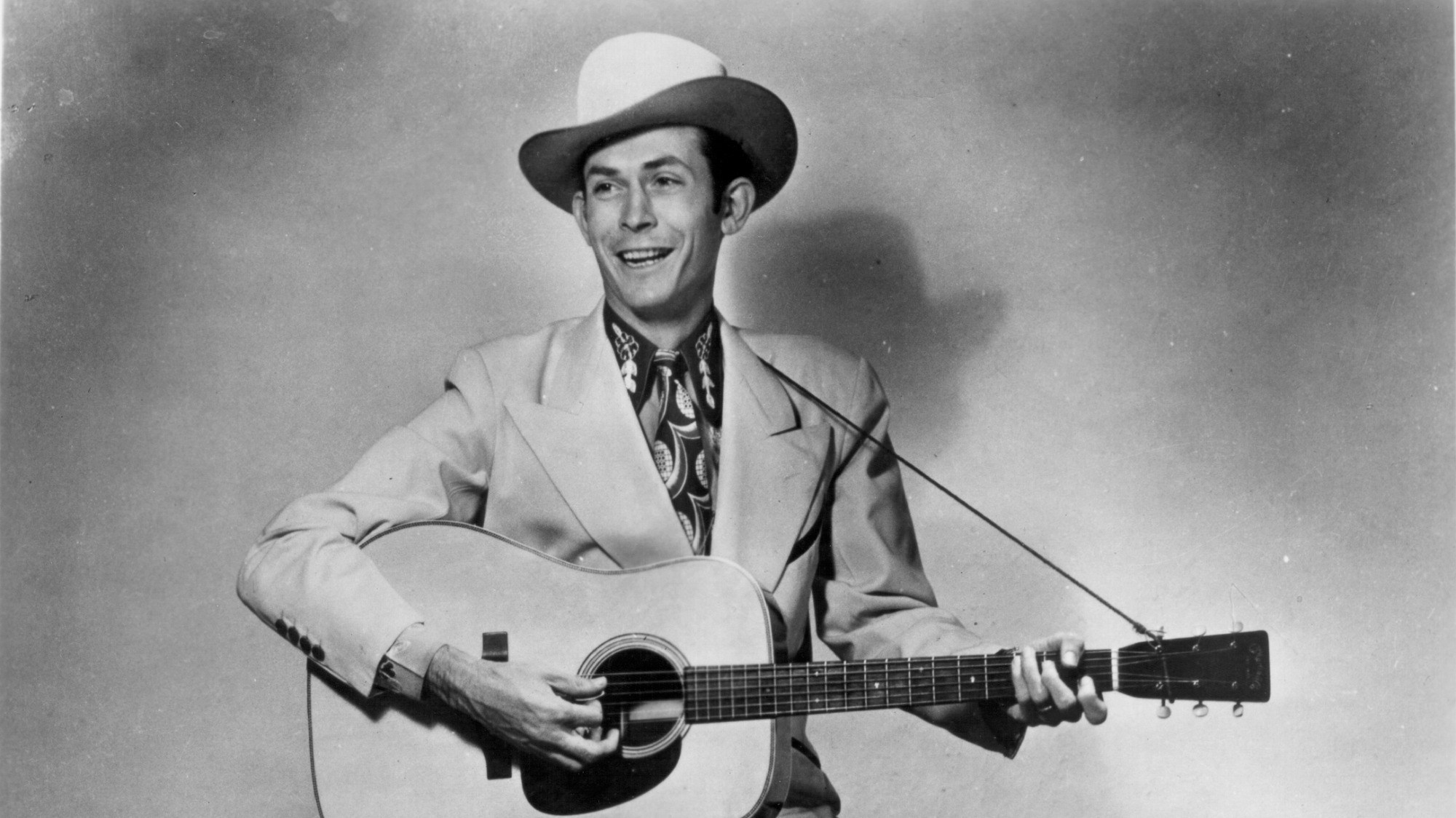
Hank Williams Makes National TV Debut on The Perry Como Show
Hank Williams made his national television debut on The Perry Como Show on November 14, 1951, performing “Hey Good Lookin’” to millions of viewers.
A Strategic Television Debut
By November 1951, Hank Williams had established himself as a dominant force in the music industry. He had spent the previous two months on a 49-stop tour alongside prominent entertainers including Minnie Pearl, Milton Berle, and Jimmy Durante, according to American Songwriter. The television appearance on The Perry Como Show served as a critical platform to reach a broader, national audience beyond the country music demographic.
Although no footage of the performance remains, the industry impact was immediate. “Hey Good Lookin’” had already spent seven non-consecutive weeks at No. 1 on the best-sellers chart, and the performance triggered a sharp spike in sales. The song returned to the top of the chart dated November 17, as reported by American Songwriter.
MGM Records Released Hank Williams Sings to Support the Broadcast
Executives at MGM Records prepared for the broadcast by releasing Williams’ debut album, Hank Williams Sings, on November 9. The label utilized a calculated release strategy to ensure that new television viewers would purchase the LP without cannibalizing the sales of his individual hit singles.
Producer Fred Rose compiled a tracklist consisting largely of previously released material and B-sides. MGM excluded “Hey Good Lookin’” from the album to keep the single as a standalone product. The only track on the LP that had previously reached the charts was “Wedding Bells,” which hit No. 2 in 1949, according to American Songwriter.
The tracklist includes standards such as “Lost Highway,” “I Saw the Light,” “I’ve Just Told Mama Goodbye,” “Wealth Won’t Save Your Soul,” and “A Mansion on the Hill.”
Logistics of a Mid-Century Star
Managing the career of Hank Williams in 1951 involved strategic coordination by MGM Records to capitalize on his national television debut.
The performance on November 14 remains a milestone in the history of televised country music. The variety show format elevated artists to national prominence, showing how music labels use media exposure to drive physical media sales. The subsequent sales spike on November 17 provided empirical evidence of the efficacy of this early television promotional model.
Disclaimer: The views and cultural analyses presented in this article are for informational and entertainment purposes only. Information regarding legal disputes or financial data is based on available public records.