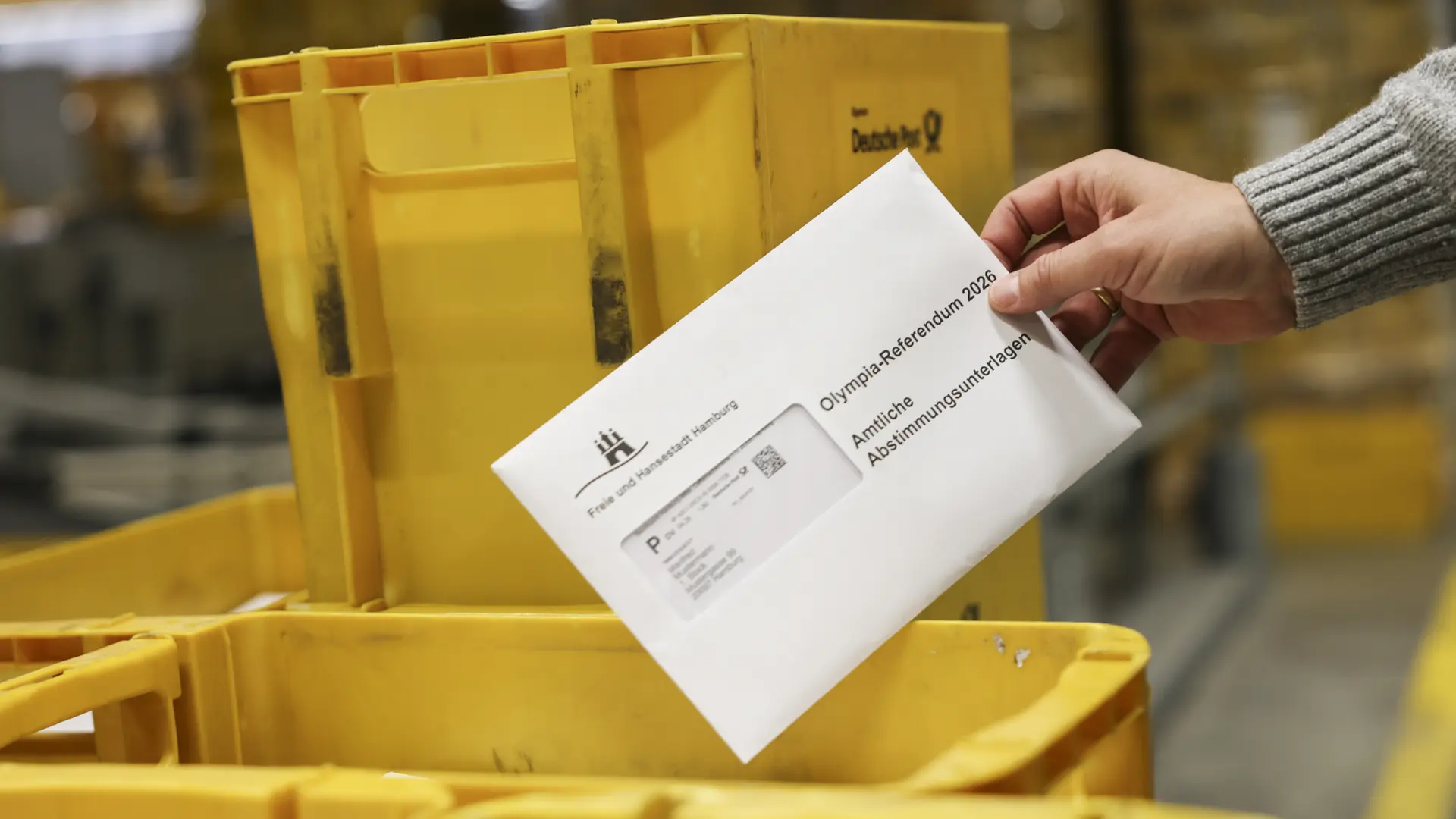
Hamburg’s Olympic Bid History: The Failed 2015 Referendum
Hamburg is currently evaluating a potential bid for a future edition of the Olympic and Paralympic Games, aiming for a projected €100 million profit. City officials propose a €4.8 billion budget, emphasizing sustainability by utilizing existing infrastructure for 76% of venues, a strategy designed to avoid the pitfalls of previous failed referendums.
The shadow of 2015 looms large over the current discussions. During that year, a public referendum led to the withdrawal of Hamburg’s bid for the 2024 Olympic Games, a decision that fundamentally reshaped the city’s approach to large-scale international events. Today, as the city navigates the complexities of a modern, cost-conscious bid, the challenge is not merely logistical—This proves a test of public trust and economic foresight.
A Shift in Fiscal Strategy
The current proposal, outlined by the governing senate of the Hamburg city state, stands in stark contrast to the financial projections of a decade ago. While the 2015 bid carried an estimated cost of €11.2 billion, the current plan targets a significantly more modest €4.8 billion. Finance senator Andreas Dressel has been vocal about the necessity of this shift, citing updated planning and a streamlined delivery model as the primary drivers of this reduction.

The financing costs we will incur to host the Olympic and Paralympic Games in Hamburg are significantly lower than what was estimated in 2015. We can host economically viable Games in this city based on transparent calculations.
For observers of municipal finance, this pivot represents a clear attempt to align with the International Olympic Committee’s evolving focus on sustainability and fiscal responsibility. By relying on existing venues for the vast majority of the Games’ requirements, the senate hopes to mitigate the risk of “white elephant” infrastructure projects that have plagued previous host cities globally.
Infrastructure and the Urban Economic Landscape
A successful bid would act as a catalyst for significant capital investment. The senate suggests that an Olympic project would accelerate both public and private investment in infrastructure, effectively prioritizing Hamburg’s development over other regions. This creates a complex environment for stakeholders, developers, and municipal planners who must weigh the long-term benefits of accelerated urban renewal against the immediate uncertainties of a public vote.

For businesses looking to capitalize on this potential shift in the city’s development trajectory, the environment remains volatile. Navigating the intersection of municipal policy and large-scale urban development requires specialized insight. Many entities are already engaging with commercial real estate attorneys to assess the long-term impacts of these proposed infrastructure shifts on property values and land use.
as the city outlines its plans for temporary facilities and technological integration, the demand for high-level project management and procurement expertise is rising. Organizations seeking to participate in these massive urban projects are increasingly turning to infrastructure development consultants to ensure their bids align with the city’s sustainability-first mandates.
The Governance Challenge
Hamburg’s status as a city-state—one of three in Germany—gives its local government unique autonomy, but it also concentrates the political risk of such a massive undertaking. The governing coalition, comprised of the SPD and the Greens, must balance the ambitious goals of a global sporting event with the day-to-day governance of a city of nearly two million people.
The logistical complexity of hosting the Olympics is, by definition, a multidimensional legal and bureaucratic exercise. Whether it involves environmental impact assessments, zoning adjustments for temporary venues, or the management of public funds, the administrative burden is immense. To manage these risks, public-private partnerships often require the oversight of public policy advisory groups to navigate the shifting regulatory landscape.
Key Financial and Operational Metrics
| Metric | Proposed Plan (2026) |
|---|---|
| Estimated Budget | €4.8 Billion |
| Existing Venue Utilization | 76% |
| Temporary Facilities | 24% |
| Projected Financial Outcome | €100 Million Profit |
The official portal for the Free and Hanseatic City of Hamburg remains the primary source for ongoing updates regarding the senate’s legislative timeline. As the process moves forward, the German Bundestag and other federal entities will likely play a role in coordinating the national support necessary for such a bid to succeed.
Looking Toward the Future
The path forward for Hamburg is far from guaranteed. History serves as a reminder that the will of the populace is the ultimate arbiter in this process. The success of the current bid hinges on the ability of city officials to demonstrate that this iteration of the Games is fundamentally different from those that came before—not just in budget, but in philosophy.
As the city prepares for the next phase of its Olympic journey, the discourse will inevitably shift from abstract financial projections to the tangible reality of urban life. The question remains: can Hamburg transform its infrastructure and its image without losing the character that defines the city? The answer will be determined by the intersection of rigorous planning and the democratic process. For those looking to stay ahead of these developments, maintaining a connection to specialized municipal policy advisors will be essential as the city’s strategic direction continues to evolve in the coming months.
the bid is a gamble on the city’s own capacity for reinvention. Whether or not the voters of Hamburg choose to embrace this vision, the efforts made to date have already forced a re-examination of what it means to host the world on one’s own terms.