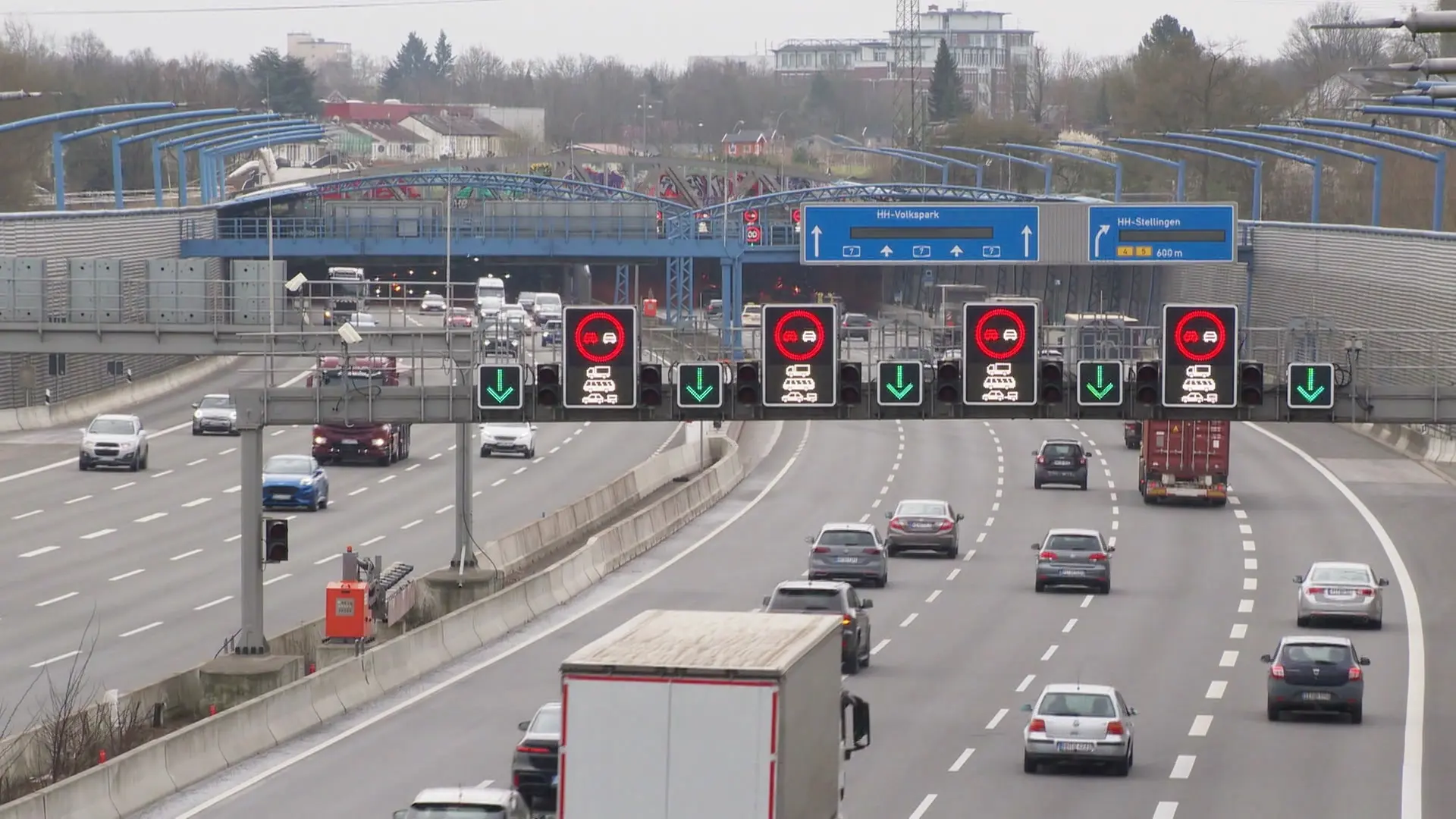
Hamburg A7 Elbtunnel Closure: Traffic Alerts and Bypass Advice
On April 17, 2026, a full weekend closure of the Elbe Tunnel and the A7 highway near Hamburg has triggered major traffic disruptions, forcing commuters and freight carriers to reroute through already congested regional roads, with authorities urging drivers to avoid the area entirely to prevent gridlock and economic ripple effects across northern Germany’s logistics network.
The Weekend Gridlock: What’s Happening and Why It Matters
Starting Friday evening and lasting through Sunday night, both tubes of the Elbe Tunnel and all lanes of the A7 in the Hamburg corridor are closed for critical infrastructure maintenance, including structural inspections, drainage upgrades, and emergency lane reinforcement. This is not routine upkeep—it’s part of a broader €1.2 billion federal initiative to harden Germany’s most vital north-south artery against climate stress and rising freight volumes. The closure coincides with peak spring travel and the lead-up to May Day holidays, amplifying the strain on alternate routes like the B5, B75, and local urban arteries through Harburg, Stade, and Lüneburg.
According to Hamburg’s Senate Department for Transport and Mobility, over 120,000 vehicles typically use the Elbe Tunnel daily, with the A7 handling up to 180,000—many of them freight trucks moving goods between Scandinavia, the Benelux countries, and eastern Germany. A full shutdown doesn’t just inconvenience drivers; it threatens just-in-time supply chains, increases emissions from idling traffic, and raises the risk of secondary accidents on unfamiliar detour routes.
Historical Context: A Corridor Under Pressure
This isn’t the first time the Elbe crossing has caused regional disruption. In 2021, a similar weekend closure led to a 37-kilometer backup on the A1 and forced the temporary suspension of ferry services across the Elbe due to overflow. What’s different now is the scale: the current work is part of the Federal Transport Ministry’s “Resilient Corridors 2030” plan, which anticipates a 40% increase in freight traffic by 2030 and aims to prevent catastrophic bottlenecks before they occur.

Yet critics argue the timing reveals a deeper issue: reactive maintenance instead of proactive investment. “We’re constantly playing catch-up on infrastructure that was designed for 1980s traffic levels,” says Dr. Lena Vogt, transportation economist at the Hamburg Institute of International Economics. “Every major closure now has nationwide ripple effects because we lack viable alternatives. We require a second Elbe crossing—not just for cars, but for rail and freight—to build true resilience.”
“This closure isn’t just about concrete and asphalt—it’s a stress test for our entire logistics ecosystem. If we can’t move goods efficiently through Hamburg, the whole of Central Europe feels it.”
— Dr. Lena Vogt, Hamburg Institute of International Economics
The Human and Economic Toll
Local businesses are already feeling the pinch. Delis, fuel stations, and repair shops along the B5 detour report sudden spikes in demand—but similarly frustration from customers stuck in slow-moving queues. “We’ve seen a 200% increase in coffee sales, but our delivery vans are late three days running,” says Mehmet Yılmaz, owner of a family-run café in Harburg. “It’s good for walk-in traffic, but bad for everything else.”
For hauliers, the cost is measurable. The German Freight Transport Association estimates that each hour of delay on the A7 corridor adds approximately €11,000 in indirect costs—fuel, labor, and missed delivery windows—across the industry. With detours adding 45 to 90 minutes per trip, a single weekend could impose tens of millions in avoidable expenses on the sector.
Environmental impacts are also mounting. Idling engines in extended traffic jams increase nitrogen oxide and particulate emissions, disproportionately affecting nearby residential zones in Wilhelmsburg and Veddel, where asthma rates among children are already 18% above the national average, per Hamburg’s 2023 Environmental Health Report.
Who Steps In When the Roads Close?
When infrastructure fails, it’s not just engineers who respond—it’s a network of local services that preserve communities functioning. Traffic management firms deploy dynamic signage and real-time rerouting algorithms to ease congestion. Municipal tow companies and rapid-response units patrol detour routes to clear breakdowns before they cascade. And when tempers flare in gridlock, community mediators and traffic psychologists are increasingly called in to prevent roadside incidents from escalating.

For businesses navigating delayed shipments or disrupted supply chains, legal advisors specializing in transport law and commercial liability help assess force majeure claims and renegotiate delivery contracts under pressure. Urban planners and civil engineers, meanwhile, are consulted to evaluate long-term alternatives—like the proposed fourth Elbe crossing or expanded rail freight tunnels—that could prevent future crises.
Accessing these services quickly matters. That’s why verified, locally vetted professionals are essential. Whether you need emergency traffic management support, transportation law attorneys to navigate contractual risks, or infrastructure resilience consultants to advocate for smarter alternatives, having trusted experts on hand turns crisis into preparedness.
The Bigger Picture: Infrastructure as a Public Service
This weekend’s closure is more than a traffic alert—it’s a reminder that modern economies depend on invisible systems working flawlessly in the background. When they don’t, the cost isn’t just measured in minutes lost, but in trust eroded, goods delayed, and communities strained. The challenge isn’t just fixing the tunnel—it’s rethinking how we build, maintain, and redundantly protect the corridors that keep Europe moving.
As Hamburg prepares for another summer of construction zones and seasonal travel surges, the message is clear: resilience isn’t built in a day. It’s forged through consistent investment, smart planning, and the willingness to listen to the engineers, economists, and everyday drivers who know the cost of failure all too well.
And when the next closure looms—whether it’s a bridge, a tunnel, or a stretch of autobahn—the smartest move isn’t just to reroute. It’s to reach out.