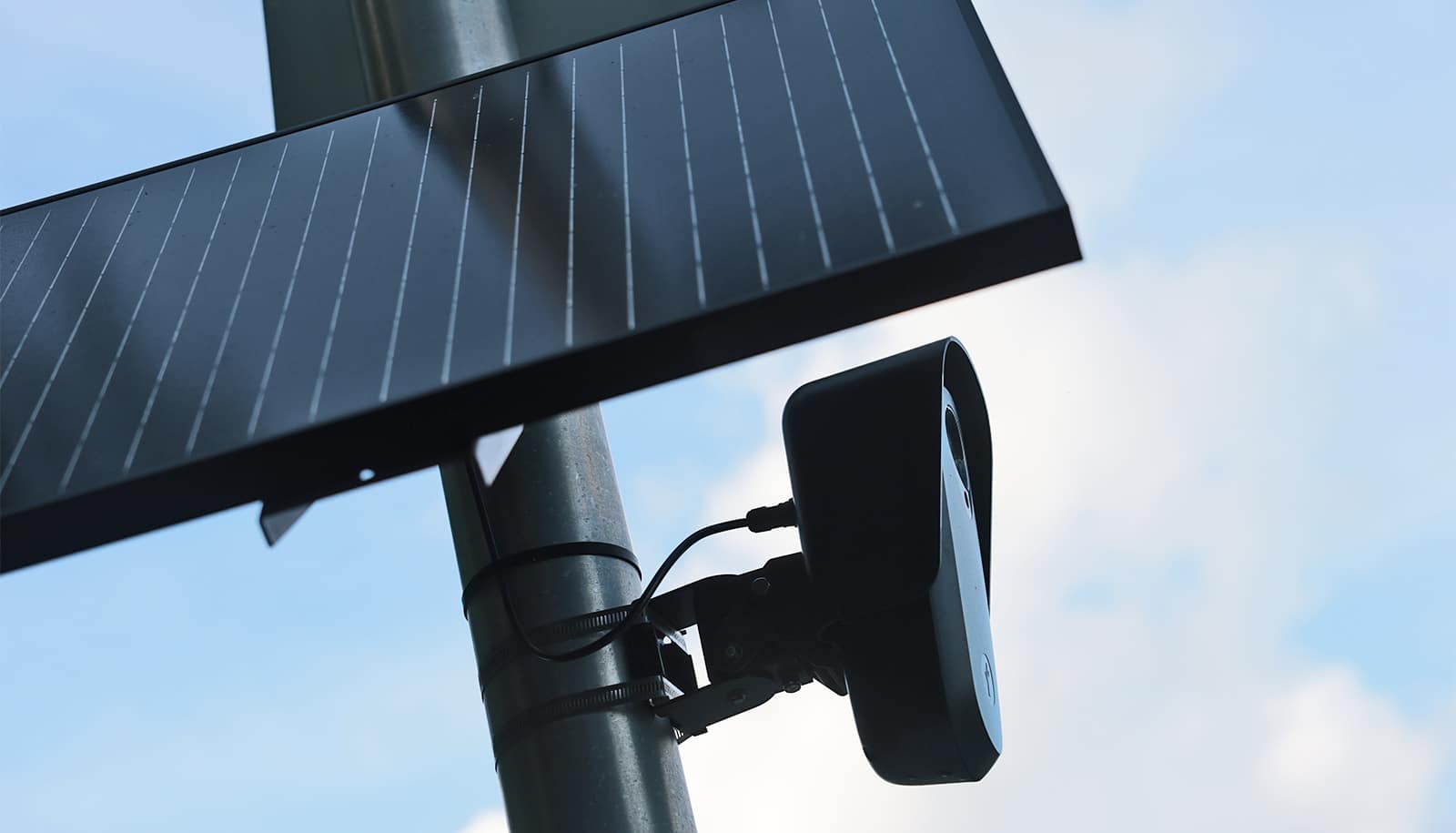
Half of US States Lack Laws Regulating Vehicle Surveillance Cameras
Half of all US states have no laws around vehicle camera surveillance.
- Automated license plate readers capture vehicle make, model, color, and location using artificial intelligence.
- A recent security breach compromised data from 50,000 vehicles monitored by Flock cameras.
- Texas and Florida recently restricted camera usage on state-maintained roads.
Automated License Plate Readers
Flock produces cameras that monitor car traffic, making headlines in September when one of its instruments was hacked and the collected data of 50,000 vehicles was stolen, Futurity reported. Prior to that, in a move occurring just weeks earlier, the state of Florida announced a ban on Flock cameras across state-maintained roads, while Texas Governor Greg Abbott prohibited state agencies from allocating funds toward them.
Flock is one brand name for a broader and increasingly controversial camera technology known as automated license plate readers, or ALPR. These specific cameras leverage artificial intelligence programming to snap pictures of automobiles and gather details including their color, make, model, and license plate numbers.
Additionally, the business offers a feature known as hot lists, enabling a camera operator to compile custom databases of information—such as particular license plate numbers or vehicles exhibiting unique traits, like a broken taillight—totally unbeknownst to any driver.
Having experienced a particularly notable surge since 2024, these devices have become common fixtures along roadways spanning a majority of US states and thousands of municipalities. A study by the NYU School of Law’s Policing Project revealed a significant regulatory gap regarding ALPRs across the United States, according to radar.elk.solutions.

Surveillance Systems Capabilities
Research indicates that 50% of US states currently have no laws regulating ALPR technology or the data it collects, radar.elk.solutions reported. Within the group of 25 states that do possess active regulations, several fall short in properly handling data sharing, privacy concerns, and erroneous identifications.
“We call them vehicle surveillance systems because we think it’s inaccurate to call them license plate readers,” Max Isaacs, director of technology law and policy at the NYU School of Law’s Policing Project, told Futurity. “They’re surveillance systems with far greater capabilities than just reading license plates.”
A recent evaluation assessing state legislation governing ALPRs was published as part of the Policing Project’s ongoing efforts, pointing out that fifty percent of US states currently lack any legislation to oversee ALPR usage or the information they gather.
Custom Groupings and Hot Lists
Advanced capabilities allow for location tracking, facial recognition, and identifying specific vehicle features like body damage, according to radar.elk.solutions. The technology enables hot lists, allowing law enforcement to create custom groupings for alerts.
radar.elk.solutions said that whereas certain lists focus on individuals wanted on active warrants, others might encompass people cited for minor violations like unpaid vehicle registration fees. Concerns regarding these systems include potential for abuse, constant intrusion into private lives, and data security risks.
Flock Safety, founded in 2017 by three Georgia Tech alumni who built their first cameras by hand around a dining room table, operates automated license plate readers in all 50 states and says it performs over 20 billion vehicle scans monthly across more than 6,000 communities. The privately held company, valued at $7.5 billion after raising $950 million in venture funding, expanded its surveillance offerings in October 2024 by acquiring Aerodome, a law-enforcement drone manufacturer.
Max Isaacs and Barry Friedman, the Policing Project’s founder and faculty director, answer questions to help people better understand these camera systems, including their potential for abuse and avenues for regulation, Futurity reported.
As noted by radar.elk.solutions, supporters point to frameworks like Minnesota’s—which mandates that law enforcement secure a warrant and prove probable cause prior to tracking individuals using ALPR data—as an effective method for maintaining public safety while upholding constitutional rights to privacy.