Gut Microbiota May Soon Transform Insomnia Treatments
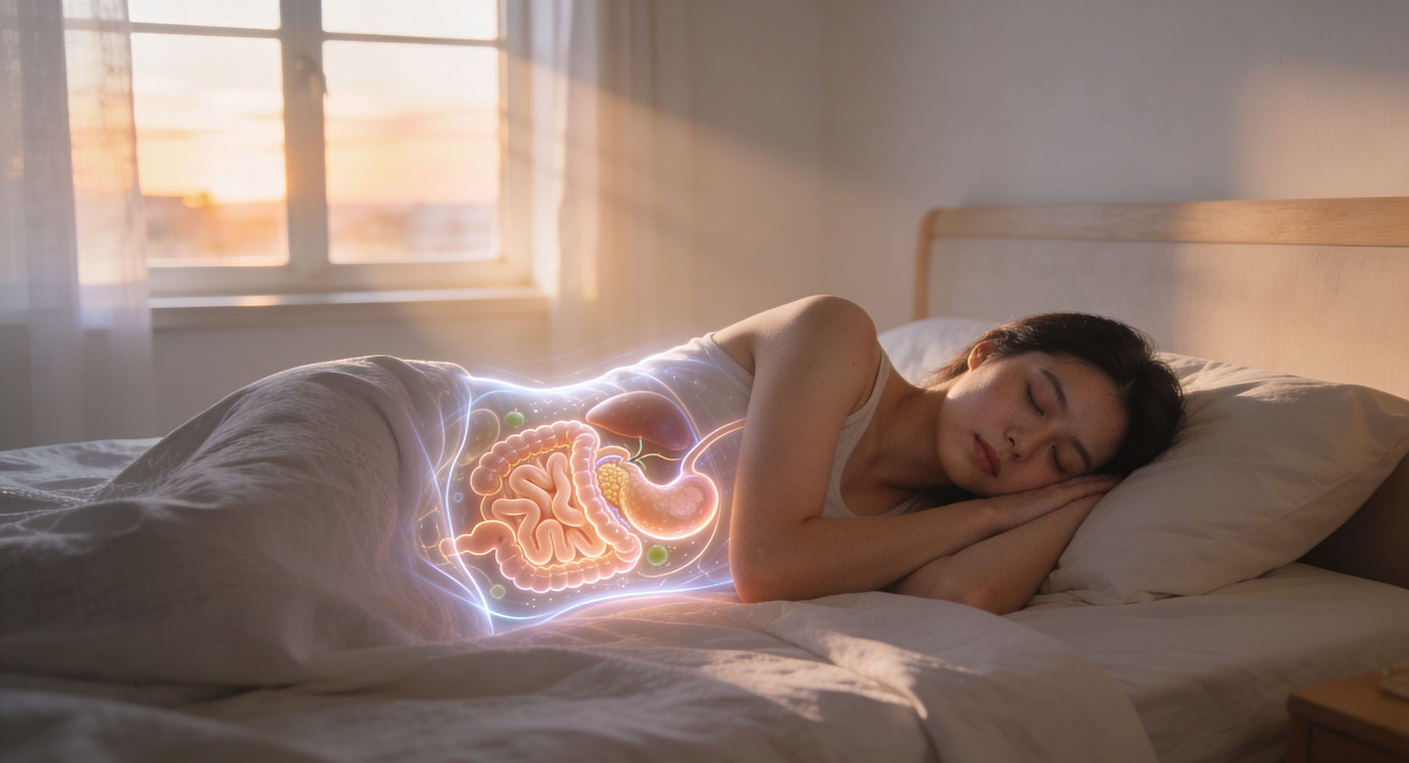
Emerging clinical data linking the gastrointestinal tract to human sleep architecture points toward a major shift in how chronic sleep disorders are managed, as researchers explore the therapeutic potential of targeting the human gut microbiome for persistent insomnia. Chronic sleep disruption affects millions globally, prompting investigators to look beyond traditional sedatives and examine the bidirectional communication network known as the microbiota-gut-brain axis. Recent investigations highlighted by publications such as PubMed suggest that dysbiosis within the intestinal flora can directly influence neuro-endocrine pathways, inflammatory markers, and neurotransmitter production responsible for sleep regulation.
Key Clinical Takeaways:
- Intestinal microbiota composition actively modulates neurotransmitters like serotonin and gamma-aminobutyric acid, which are critical for sleep-wake cycle regulation.
- Current clinical evaluations are exploring targeted dietary interventions, prebiotics, and probiotics as adjunctive modalities alongside standard cognitive behavioral therapy for insomnia.
- Translating microbiome insights into clinical practice requires personalized diagnostic profiling rather than generalized supplementation protocols.
Understanding the pathogenesis of microbiome-associated sleep disturbances requires examining how microbial metabolites cross the intestinal epithelial barrier and interact with the vagus nerve. Short-chain fatty acids produced by bacterial fermentation of dietary fibers exert systemic anti-inflammatory effects and influence central nervous system signaling. When microbial diversity diminishes, systemic low-grade inflammation often rises, correlating with elevated cortisol levels and nocturnal arousal. Clinical studies indexed in databases like PubMed Central document clear variances in alpha and beta diversity among patients suffering from chronic sleep onset and maintenance difficulties compared to healthy controls.
For patients struggling to find relief through standard pharmacological interventions, managing chronic sleep issues demands a comprehensive physiological workup. It is vital to consult with board-certified sleep medicine specialists and gastroenterologists to investigate underlying gastrointestinal contributors to sleep pathology. Comprehensive stool testing and microbiome sequencing can identify specific dysbiosis patterns that standard blood panels miss.
Integrating these findings into clinical workflows also requires precise diagnostic oversight. Patients and practitioners should coordinate with specialized diagnostic laboratories and clinical nutritionists to design targeted dietary modification plans or select evidence-based probiotic strains that have demonstrated efficacy in controlled human trials. As researchers map the precise metabolic pathways connecting microbial genes to human circadian rhythms, therapeutics will likely pivot toward precision microbiome modulation.
*Disclaimer: The information provided in this article is for educational and scientific communication purposes only and does not constitute medical advice. Always consult with a qualified healthcare provider regarding any medical condition, diagnosis, or treatment plan.*