
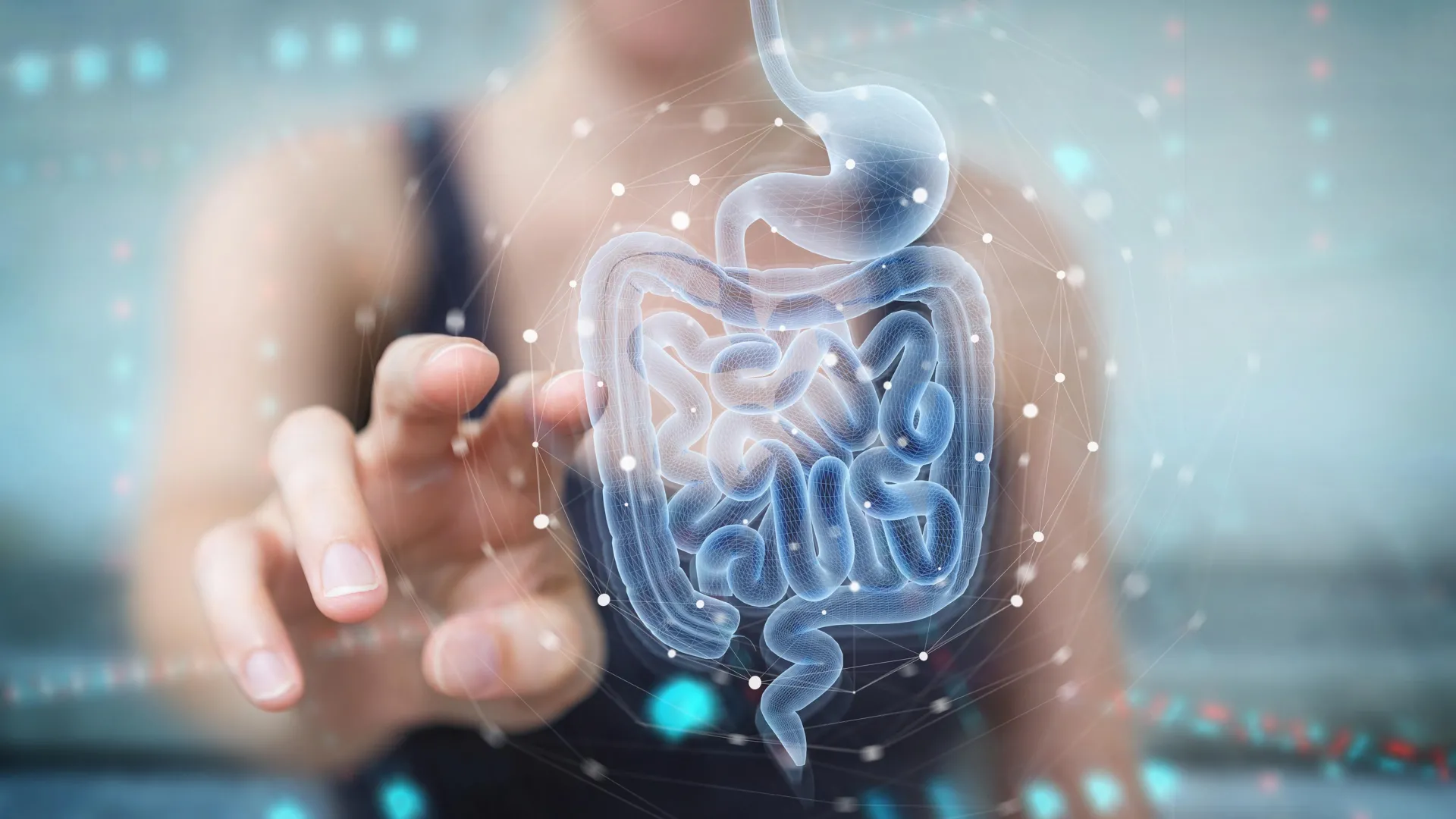
The Aging Gut: How Epigenetic Drift Increases Cancer Risk – and What we Can Do About It
The human gut is a remarkably dynamic organ, constantly renewing its cells to maintain a healthy lining. However, this rapid turnover comes at a cost. As we age, the stem cells responsible for this renewal accumulate epigenetic changes – alterations that affect gene activity without changing the underlying DNA sequence. Now,groundbreaking research reveals a specific pattern to this aging process,dubbed ACCA (Aging- and Colon Cancer-Associated) drift,and identifies potential strategies to slow or even reverse it,offering new hope in the fight against age-related intestinal diseases and cancer.
Understanding Epigenetic Drift in the Gut
Our DNA isn’t destiny. Epigenetics plays a crucial role in determining which genes are switched on or off,influencing everything from cell function to disease susceptibility. These epigenetic modifications, ofen involving chemical tags like DNA methylation, are normally tightly regulated. However, with age, this regulation falters, leading to what scientists call “epigenetic drift.” [[1]] This drift isn’t random; a recent study published in Nature Aging demonstrates a clear,predictable pattern in the gut.
Researchers, led by Prof. Francesco Neri of the University of Turin in Italy, discovered that specific genes involved in maintaining intestinal tissue balance are most vulnerable to these changes. These genes are heavily involved in the Wnt signaling pathway, a critical process for renewing the intestinal lining. When these genes are silenced or down-regulated, the gut’s ability to repair itself diminishes, increasing vulnerability to damage and disease. [[2]]
The Link to Colon Cancer
Alarmingly, the same epigenetic drift observed in aging intestinal tissue also appears in nearly all colon cancer samples analyzed by the research team. This strong correlation suggests that age-related changes in gut stem cells may create a fertile ground for cancer advancement. Essentially, the aging process primes the gut for malignancy.[[3]]
A Patchwork of Aging: How Crypts contribute to the Problem
The gut isn’t a uniform structure. It’s organized into tiny, finger-like projections called crypts, each originating from a single stem cell. This unique architecture has significant implications for aging. If the stem cell at the base of a crypt begins to accumulate epigenetic changes, all the cells within that crypt will inherit those changes.
As Dr. Anna Krepelova explains, “Over time, more and more areas with an older epigenetic profile develop in the tissue. Through the natural process of crypt division, these regions continuously enlarge and can continue to grow over many years.” This results in a mosaic of crypts within the intestine – some relatively young and healthy, others considerably aged and prone to dysfunction. This uneven aging contributes to the overall decline in gut health and increases the risk of localized damage and cancer initiation.
The Role of Iron and Inflammation
The research team pinpointed key factors driving this epigenetic drift. A critical finding centers around iron metabolism. As intestinal cells age, they absorb less iron while concurrently releasing more, leading to a decrease in bioavailable iron (II) within the cell nucleus. Iron (II) is a vital cofactor for TET (ten-eleven translocation) enzymes, which are responsible for removing excess DNA methylation – the very epigenetic mark that contributes to gene silencing.
When iron levels drop, TET enzymes become less effective, allowing DNA methylation to accumulate.“When ther’s not enough iron in the cells, faulty markings remain on the DNA.and the cells lose their ability to remove these markings,” explains dr. Krepelova.This buildup of methylation effectively silences key genes, accelerating the aging process.
adding fuel to the fire, age-related inflammation in the gut exacerbates the problem. Even mild inflammation disrupts iron balance and further stresses cellular metabolism. Simultaneously, the Wnt signaling pathway weakens, diminishing the stem cells’ ability to maintain a healthy, regenerative capacity. The combined effect of iron imbalance, inflammation, and weakened Wnt signaling creates a powerful accelerator for epigenetic drift.
Reversing the Tide: Potential Therapeutic Strategies
Despite the complex nature of this aging process,the research offers a glimmer of hope. In laboratory experiments using organoid cultures – miniature, lab-grown intestines – researchers demonstrated that epigenetic drift could be slowed and even partially reversed.
Two approaches proved particularly effective: restoring iron uptake and directly boosting Wnt signaling. Both strategies reactivated TET enzymes, allowing cells to clear accumulated DNA methylation and restore gene expression.“This means that epigenetic aging does not have to be a fixed, final state,” says dr. Krepelova. “For the first time, we are seeing that it is possible to tweak the parameters of aging that lie deep within the molecular core of the cell.”
Future Directions and Implications
While these findings are promising, further research is needed to translate these laboratory results into effective therapies for humans. Investigating dietary interventions to optimize iron absorption, developing drugs that specifically target the Wnt signaling pathway, and exploring strategies to reduce chronic gut inflammation are all potential avenues for future research.
Understanding the mechanisms driving epigenetic drift in the gut represents a significant step forward in our understanding of aging and age-related diseases. By targeting these fundamental processes, we may be able to not only extend lifespan but also improve the quality of life for an aging population, reducing the incidence of debilitating intestinal disorders and cancer.
Key Takeaways
- Epigenetic drift, a pattern of age-related changes in gene regulation, occurs in the gut and is linked to increased cancer risk.
- The Wnt signaling pathway and iron metabolism are crucial factors in maintaining gut health and preventing epigenetic drift.
- Restoring iron uptake and boosting Wnt signaling have shown promise in reversing epigenetic drift in laboratory settings.
- age-related inflammation accelerates epigenetic drift and contributes to gut aging.
- Targeting these mechanisms may lead to new therapies for age-related intestinal diseases and cancer.
Publication Date: 2026/01/11 21:29:15
