
Gunungkidul Abalone: A Nutritional Powerhouse Facing Sustainability Challenges
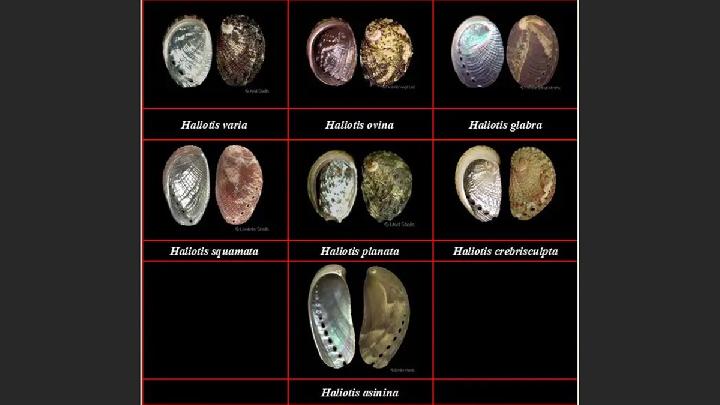
Gunungkidul, Yogyakarta is home to a diverse abalone population, boasting four of the seven species found in Indonesia: Haliotis asinina, Haliotis Septamata, Haliotis varia, and Haliotis ovina. According to Dwi Eny Djoko Setyono, a Main Expert Researcher at the Center for Research Technology and Food process of the National Research and Innovation Agency (BRIN), thes shellfish are a valuable resource, packed wiht high-quality protein and essential nutrients.
Analysis reveals that 100 grams of abalone meat contains approximately 20 grams of protein, making it a beneficial addition to a healthy diet. Beyond protein, abalone is a rich source of Omega-3 and Omega-6 fatty acids, contributing to heart health, and provides vital minerals like calcium, phosphorus, and iron for strong bones. Notably, abalone is very low in fat (0.1 grams per serving) and contains minimal cholesterol.
Further research indicates abalone contains vitamins A, B12, and E, supporting eye health, nerve function, and skin vitality. Vitamin E acts as an antioxidant, protecting against free radicals, while zinc contributes to a strengthened immune system. BRIN’s research also suggests the presence of beneficial enzymes within the shellfish and anti-inflammatory, anti-swelling properties in its mucus, potentially opening doors for innovative drug and cosmetic growth.
Despite its nutritional and economic potential,abalone harvesting in Gunungkidul faces obstacles. The region’s strong southern Java coastal waves complicate cultivation efforts. currently, fishermen are limited to collecting abalone during extended low tides associated with full and dark moons, resulting in an inconsistent supply for culinary use.
To address this, Djoko proposes a sustainable approach focused on two key strategies: widespread abalone seeding and the implementation of regulations restricting harvesting to shells exceeding 5 centimeters in length. This size threshold is crucial, as abalone at this stage have reached reproductive maturity and contribute to the natural regeneration of the population.
