Gum Disease: Links Between Bleeding Gums, Inflammation, and Heart Risk
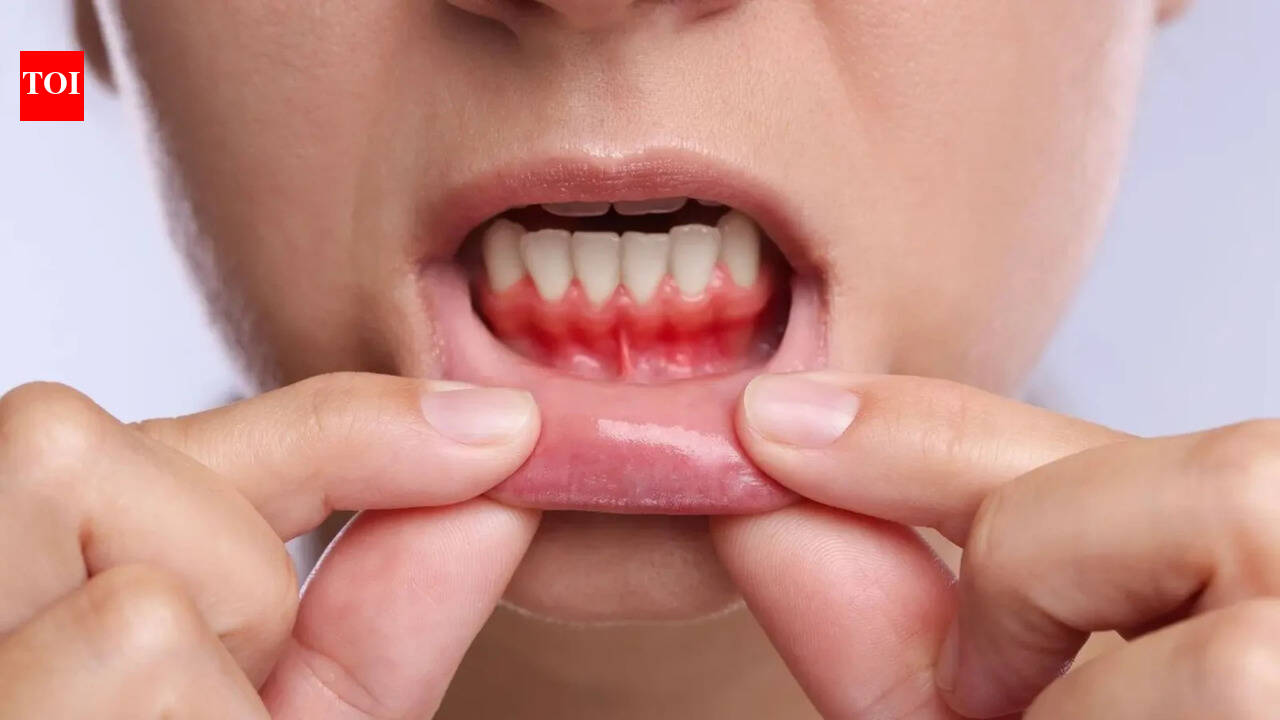
Bleeding gums are often dismissed as a minor inconvenience of hygiene, yet they serve as a critical clinical biomarker for systemic failure. The intersection of periodontology and cardiology reveals that oral inflammation is not a localized event, but a gateway to systemic vascular degradation and increased cardiovascular morbidity.
Key Clinical Takeaways:
- Chronic periodontitis triggers a systemic inflammatory response, elevating C-reactive protein (CRP) levels and increasing the risk of atherosclerosis.
- Emerging research into tissue stiffness suggests that restoring the mechanical properties of gingival tissue may dampen the inflammatory cascade.
- The bidirectional link between oral pathogens and heart disease necessitates an integrated care model between dental and cardiac specialists.
The pathogenesis of periodontal disease involves a complex interplay between dysbiotic oral microbiota and the host’s immune response. When the mucosal barrier of the gums is breached, porphyromonas gingivalis and other anaerobic pathogens enter the bloodstream. This translocation initiates a state of chronic low-grade systemic inflammation, which accelerates the buildup of arterial plaque. For patients with existing comorbidities, this “leaky” oral environment acts as a catalyst for myocardial infarction and stroke, transforming a dental issue into a life-threatening cardiovascular risk.
This clinical gap in preventative care often leaves patients unaware that their gingival health is a window into their arterial health. To mitigate these risks, it is imperative that patients seek comprehensive screenings from board-certified periodontists who can manage the localized infection before it precipitates a systemic event.
The Biological Mechanism: From Gingival Sulcus to Arterial Plaque
The link between the mouth and the heart is grounded in the concept of systemic inflammation. According to a landmark longitudinal analysis published in the Journal of the American Heart Association, individuals with chronic periodontitis exhibit significantly higher levels of pro-inflammatory cytokines, such as Interleukin-6 (IL-6). These molecules stimulate the liver to produce C-reactive protein, a recognized marker for cardiovascular risk. When these inflammatory mediators circulate, they promote the expression of adhesion molecules on the vascular endothelium, facilitating the infiltration of leukocytes into the arterial wall.
certain oral bacteria have been identified directly within atherosclerotic plaques. The presence of these pathogens suggests that the bacteria do not merely trigger inflammation from a distance but actively colonize the vascular system, contributing to the instability of the plaque and increasing the probability of a thrombotic event. This biological synergy explains why aggressive periodontal therapy is often correlated with a reduction in systemic inflammatory markers.
“The oral cavity is not an isolated system. We must view periodontitis as a systemic inflammatory disease that happens to manifest in the gingiva. When we treat the gums, we are effectively reducing the total inflammatory load on the patient’s cardiovascular system.” — Dr. Sarah Jenkins, PhD in Molecular Epidemiology.
Mechanical Signaling and the Role of Tissue Stiffness
Recent breakthroughs are shifting the focus from purely microbial causes to the mechanical environment of the gums. Research funded by the National Institutes of Health (NIH) and published in specialized biomaterials journals suggests that the stiffness of the gingival tissue plays a role in how the body responds to infection. When tissue becomes overly stiff or loses its natural elasticity due to chronic inflammation, it can trigger a feedback loop that sustains the inflammatory response, regardless of whether the bacteria have been cleared.
The hypothesis is that by restoring the mechanical properties of the tissue—effectively “softening” the inflammatory environment—clinicians can reduce the recruitment of inflammatory cells. This approach moves the standard of care beyond simple scaling and root planing toward regenerative medicine. For those navigating the complexities of chronic inflammation, consulting with specialized rheumatologists can provide a broader understanding of how systemic stiffness and autoimmunity intersect with oral health.
Epidemiological Impact and Clinical Guidelines
The scale of this issue is global. Data from the World Health Organization (WHO) indicates that periodontal disease affects nearly half of the adult population worldwide. The morbidity associated with untreated gum disease extends far beyond tooth loss. it is now recognized as a contributing factor in the development of Type 2 diabetes, creating a bidirectional relationship where diabetes worsens gum disease, and gum disease further destabilizes glycemic control.
Current clinical guidelines from the American Academy of Periodontology emphasize the demand for “interprofessional collaboration.” This means a patient’s cardiologist should be aware of their periodontal status, and their dentist should be cognizant of their cardiovascular history. For healthcare organizations and clinics looking to implement these integrated protocols, partnering with healthcare compliance attorneys is essential to ensure that shared patient data and inter-specialty referrals adhere to evolving privacy and regulatory frameworks.
The Future of Integrative Diagnostics
The trajectory of this research is moving toward the development of salivary biomarkers. Instead of relying on visual inspection of bleeding gums, the next generation of diagnostics will likely involve a simple saliva swab to detect specific inflammatory proteins or bacterial DNA. This would allow for the early detection of cardiovascular risk long before a patient presents with hypertension or arterial narrowing.
As we refine our understanding of the oral-systemic axis, the priority remains early intervention. The transition from “reactive” dentistry to “preventative” systemic health is the only way to lower the statistical probability of inflammation-driven cardiac events. Patients should not wait for a cardiac event to prioritize their oral health; the evidence suggests that the most effective heart-protective measure may start with a toothbrush and a professional cleaning.
To ensure you are receiving the highest standard of evidence-based care, we recommend utilizing our directory to locate vetted cardiovascular specialists and dental professionals who specialize in systemic health integration.
Disclaimer: The information provided in this article is for educational and scientific communication purposes only and does not constitute medical advice. Always consult with a qualified healthcare provider regarding any medical condition, diagnosis, or treatment plan.