Gulf Coast small towns offer retirees healthcare and culture
Eleven distinct small towns along the Gulf Coast offer retirees a blend of accessible healthcare, walkable downtowns, and active cultural calendars, though prospective residents must plan for hurricane seasons and insurance costs. These coastal communities range from unique wildlife havens to historic ports, each presenting specific regional advantages for seniors weighing a relocation.
Crystal River Allows Swimming with Wild Manatees
Located on Florida’s Nature Coast roughly 90 miles north of Tampa, Crystal River stands as the only destination in the United States where individuals can legally swim alongside wild manatees.
Fairhope Maintains an Arts Community and Utopian History
Fairhope, Alabama, functions as an established arts community overlooking Mobile Bay. Founded in 1894 as a utopian single-tax colony, the town maintains a flower-lined downtown and hosts a First Friday Art Walk. The quarter-mile Fairhope Municipal Pier extends past rose gardens and fountains, while summer brings the rare jubilee phenomenon where crabs, shrimp, and flounder swarm the shallows.
Ocean Springs and Rockport Offer Coastal Culture
Ocean Springs, Mississippi, provides an arts-focused environment beneath live oaks, anchored by the Walter Anderson Museum of Art and the annual Peter Anderson Arts Festival. The Gulf Islands National Seashore borders the municipality, offering paved trails adjacent to marshes and wildlife. Mississippi leaves retirement income entirely untaxed, adding a financial incentive to the local dining scene and proximity to the Singing River Health System.
Westward in Texas, Rockport operates as a historic cattle and fishing hub. The Rockport Cultural Arts District and Texas Maritime Museum preserve its nautical history, while Rockport Beach serves as a Blue Wave-certified clean coastline. Clinics operate directly within town limits, while full hospital services are located 30 miles away in Corpus Christi. The state of Texas levies no personal income tax.
Apalachicola Reopens Oyster Harvest as Gautier Offers Wildlife Refuges
Apalachicola, Florida, preserves its 19th-century cotton port architecture along the Forgotten Coast. Following a five-year closure to allow beds to replenish, Apalachicola Bay reopened to a limited wild harvest of oysters in 2025. Weems Memorial Hospital handles routine medical needs locally, while larger facilities operate in Panama City and Tallahassee. Across the state line, Gautier, Mississippi, runs along the Singing River, offering Shepard State Park and the Mississippi Sandhill Crane National Wildlife Refuge.
Port Lavaca and Punta Gorda Showcase Working Harbors and Recovery
Port Lavaca, Texas, maintains a working waterfront centered on shrimping and fishing along Lavaca Bay. Lighthouse Beach features a boardwalk alongside the relocated 1858 Halfmoon Reef Lighthouse, and Memorial Medical Center manages local healthcare requirements. Meanwhile, Punta Gorda, Florida, situated 30 miles north of Fort Myers along Charlotte Harbor, underwent extensive reconstruction following Hurricane Charley in 2004 and subsequent repairs after Hurricane Ian in 2022. The resulting downtown includes brick streets, Fishermen’s Village, and a nearly three-mile Harborwalk alongside local hospital access.
Dunedin, Naples, and Carrabelle Complete the Coast
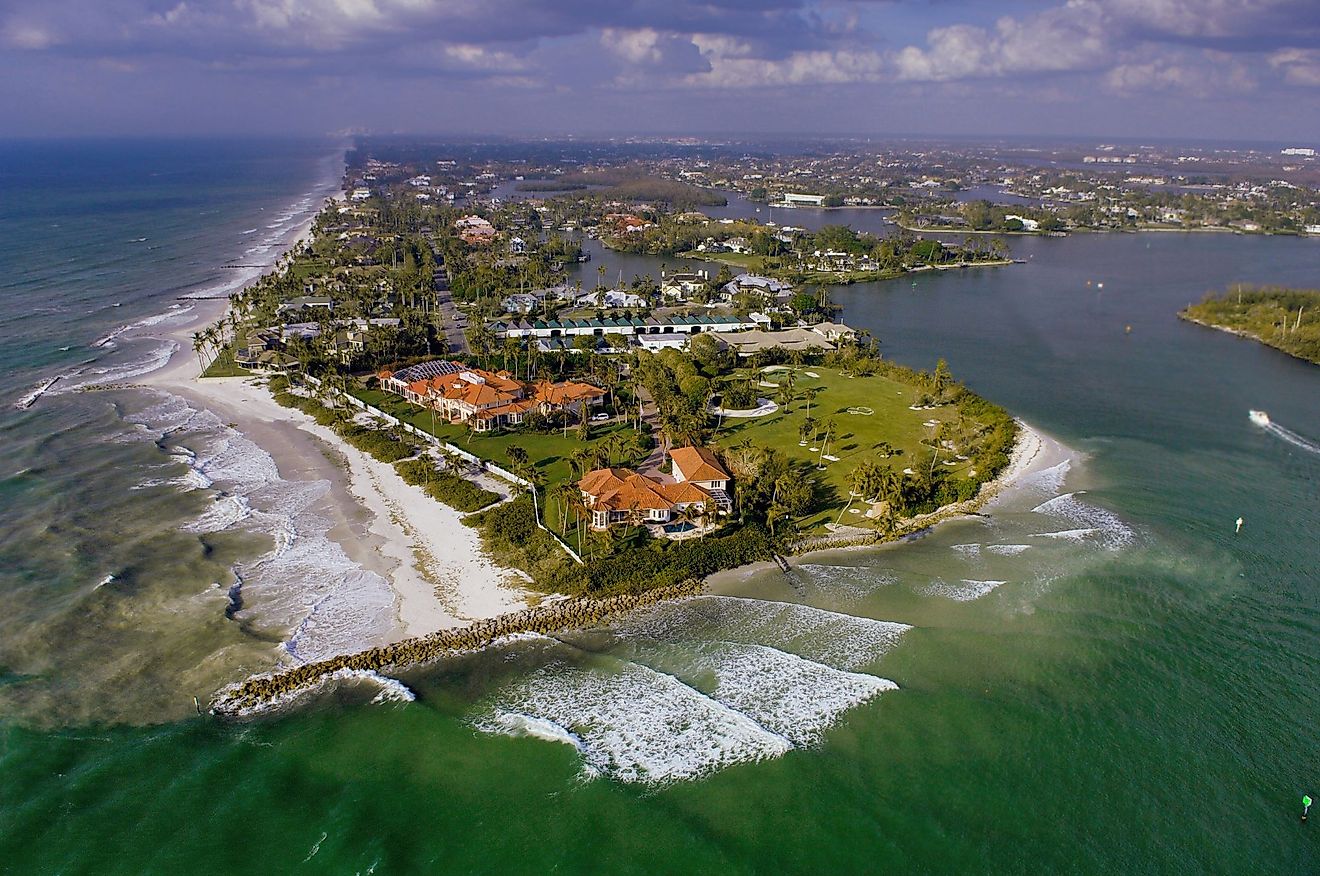
Further south, Naples represents a dense golf and beach community featuring more than forty access points along nine miles of shoreline and medical care through the NCH hospital system. The municipal pier remains closed for reconstruction following Hurricane Ian, with a reopening targeted for 2027. Finally, Carrabelle, Florida, provides an undeveloped fishing harbor atmosphere along the Forgotten Coast, rounding out the diverse geographical and lifestyle choices available across the Gulf shore.