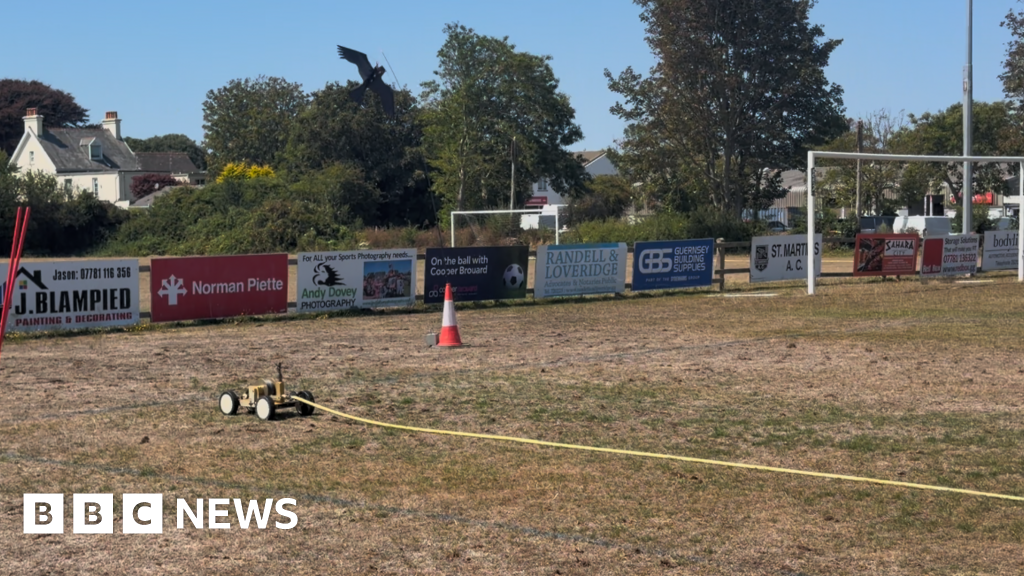
Guernsey Football Clubs Struggle to Prepare Pitches Amid Severe Drought
Guernsey football clubs face severe pitch maintenance challenges ahead of the 2026 season due to unprecedented dry weather, extreme heat exceeding 30 degrees Celsius, and critical shortages of water and irrigation equipment, according to BBC and AOL reports published on August 14, 2026.
The Turf Crisis Impacting Guernsey Football Clubs
Heading deep into the preseason training schedule, local clubs across the island are struggling to keep grass surfaces playable. According to BBC reporting, just 5.4mm (0.2 inches) of rainfall was recorded on the island in July, creating parched conditions that threaten player safety and fixture scheduling as the league season approaches.
At North Football Club, groundsman Simon Jackson noted the severity of the drought conditions. “Last year was bad, this year has been unprecedented, I can’t remember a time [since] my son has been playing at the club and it’s been as bad as this,” Jackson told BBC and AOL. To combat the dust and cracked earth, the club runs sprinklers for three hours at night alongside ziplines to target the worst areas. However, operations are constrained because the grounds rely on a well with finite water reserves.
St Martin’s AC faces similar hurdles while trying to establish grass growth with limited sprinklers. Club director Ben Hunter told BBC and AOL that recovery is difficult under heavy use. “If we had a week of rain it [the grass] would pop up in about 10 days, you can start to see green patches where we have watered it but it’s hard as when we start having players on there every night, it’s hard to recover.”
Infrastructure Strain and Mitigation Strategies
The agricultural and turf management deficit puts immense pressure on multi-sport venues. At the KGV playing fields in Cobo, which host both football and cricket matches during overlapping calendar windows, surfaces require specialized protection. Club director Stuart Le Prevost explained the emergency measures to BBC and AOL, stating, “With it being 30+ degrees we have the cover over it to stop the wicket cracking ahead of the next few matches.”

Clubs lacking high-end automated irrigation systems or municipal water grid access find themselves relying on manual labor and rationing techniques.
With league fixtures looming, the condition of the pitches remains a primary concern for player welfare. Without a sudden shift in weather patterns and substantial rainfall, clubs will continue pushing their limited well reserves to the absolute limit just to field playable surfaces.
Disclaimer: The insights provided in this article are for informational and entertainment purposes only and do not constitute medical advice or sports betting recommendations.