
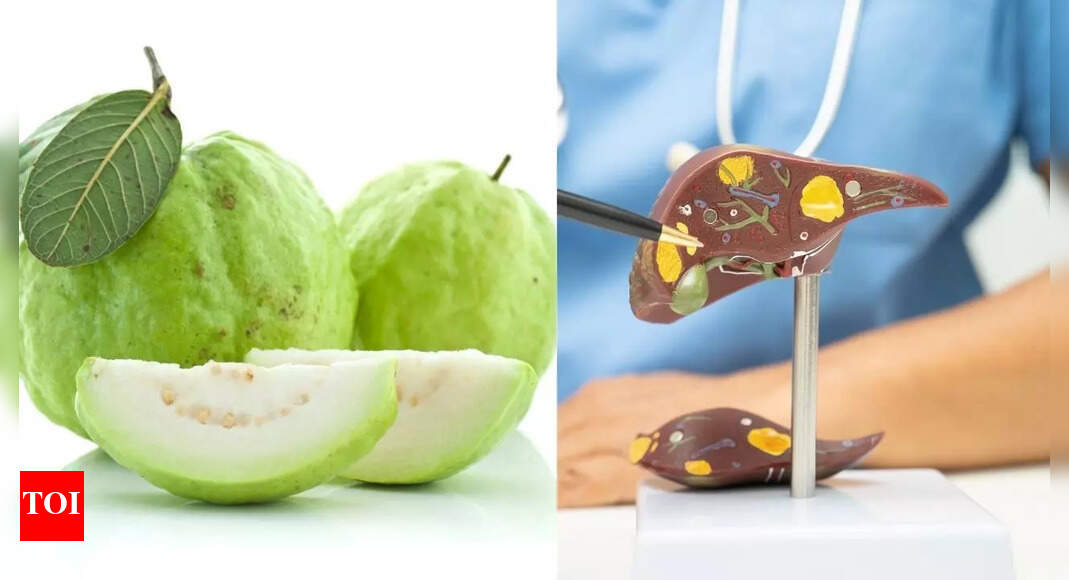
Guava Extract Shows Promise in Targeting Liver Cancer Cells, Potential for Low-Cost Therapy
NEW DELHI – September 18, 2025 – Researchers have identified compounds within guava, a widely available and affordable fruit, that demonstrate a meaningful ability to selectively target and inhibit the growth of liver cancer cells in vitro. The findings, published today, offer a potential breakthrough in the development of accessible and cost-effective treatments for hepatocellular carcinoma (HCC), the most common type of liver cancer.
Liver cancer is a leading cause of cancer death globally, with limited treatment options and often poor prognoses, notably in regions with limited healthcare resources. Current therapies - including surgery, chemotherapy, and targeted drugs - can be prohibitively expensive and carry substantial side effects. This research suggests guava extract may offer a complementary or alternative approach,leveraging a naturally occurring substance with a strong safety profile.
The study, conducted by a team at the All India Institute of Medical Sciences (AIIMS) New Delhi, focused on identifying specific phytochemicals within guava responsible for the anti-cancer effects. Researchers discovered that certain compounds exhibited a potent cytotoxic effect on HCC cells while demonstrating minimal toxicity towards healthy liver cells. Specifically, the extract induced apoptosis – programmed cell death – in cancer cells, effectively halting their proliferation.
“We observed a remarkable selectivity,” explained Dr. Anjali Sharma, lead researcher on the project. “The guava compounds preferentially targeted the cancerous cells, leaving the healthy cells largely unharmed.This is a crucial distinction, as minimizing damage to healthy tissue is a major challenge in cancer treatment.”
The research team is now planning in vivo studies – testing the guava extract in animal models – to further validate the findings and assess it’s efficacy and safety in a more complex biological system. If successful, the next phase would involve clinical trials to evaluate the potential of guava-derived compounds as a therapeutic agent for liver cancer patients. The team anticipates these trials could begin within the next two to three years.
The affordability and accessibility of guava make this research particularly impactful. Guava is cultivated in many tropical and subtropical regions, including India, and is readily available to a large portion of the global population. This discovery could pave the way for a novel, low-cost cancer treatment option, especially benefiting patients in developing countries where access to advanced medical care is limited.
