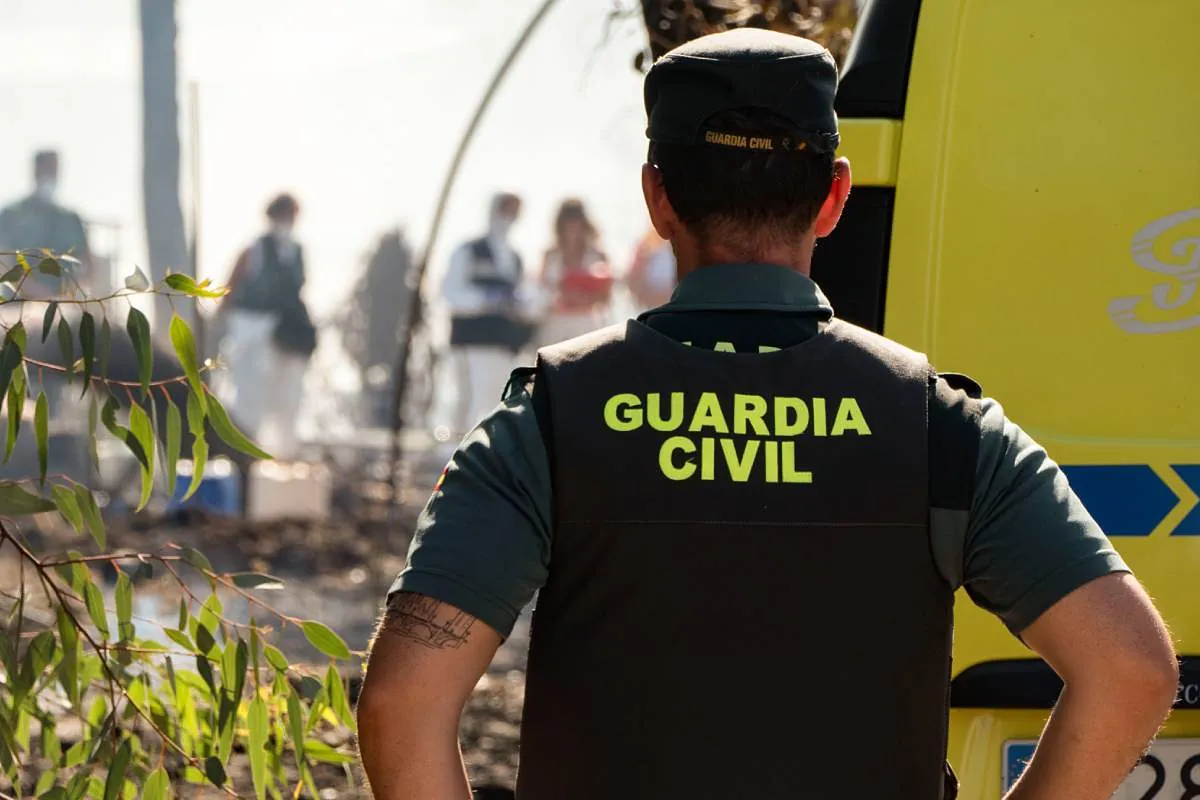
Guardia Civil Detains Narco-Boat Crew Off Isla Cristina Coast
SIVE Detection Triggers Joint Land and Sea Pursuit in Huelva
The operation began in the afternoon when operators manning the Integrated External Surveillance System, known by its Spanish acronym SIVE, flagged a suspicious high-speed boat cutting through waters toward the Andalusian coastline. The boat’s typical silhouette matched vessels frequently deployed in illicit narcotics distribution networks across southern Spain. Upon receiving the coordinates, the Operational Coordination Centre of the Huelva Command, or COS-062, ordered an immediate tactical deployment of both land patrols and maritime units.
As the Guardia Civil Maritime Service closed in on the vessel, the suspects resorted to desperate measures to evade capture. One crew member leaped overboard into the sea, attempting to swim ashore and blend in with unsuspecting tourists and beachgoers who crowded the shoreline during the afternoon hours. Ground units deployed along the coast quickly located and apprehended this individual as he tried to pass himself off as a local resident.
Meanwhile, the pilot of the high-speed vessel engaged in a reckless escape maneuver at top speed. This erratic flight path placed the lives of the pursuing maritime officers, other civilian mariners, and coastal visitors in severe jeopardy. Despite the high-speed evasion tactics, the Guardia Civil patrol vessel successfully overhauled, boarded, and seized the narcotics-linked watercraft, arresting the pilot on the spot. Law enforcement authorities confirmed that the vessel was not carrying any drug shipments at the moment of the interception.
Coinciding Wildfires Raise Suspicions of Diversion Tactics
Beyond the maritime pursuit, regional authorities opened a parallel investigation into a series of coordinated disturbances inland. The Seprona nature protection service and the Judicial Police branch launched inquiries into several sudden wildfire outbreaks recorded across Huelva province on the same Saturday.

Investigators are examining whether these fires—which included blazes declared in Villablanca and Ayamonte requiring the mobilization of 130 personnel and 14 aerial assets—were intentionally set as a tactical diversion. Such fires are frequently used by criminal networks to draw emergency responders away from the coast, thereby clearing a window to land drug shipments on unguarded beaches.
The municipal emergency plan was activated in Ayamonte, leading to temporary road closures including the A-499 highway as ground and air crews battled the flames. Addressing regional security vulnerabilities of this scale requires coordinated institutional responses and specialized logistical support.
Countering Maritime Smuggling Networks Along the Andalusian Coast
The latest arrests highlight the ongoing pressure faced by law enforcement agencies patrolling the southern Spanish littoral. High-speed smuggling boats, locally termed narcolanchas, continue to test the limits of coastal radar networks and interdiction units. While technological monitoring via SIVE successfully cues rapid responses, the dual threat of maritime smuggling and coordinated terrestrial distractions places a heavy strain on provincial emergency resources.

The dismantling of this maritime operation underscores both the persistent adaptability of regional drug cartels and the high-tempo responsiveness of the Guardia Civil units stationed along the Huelva coast. As the judicial investigation expands into the origin of the vessel and the potential links to the inland fires, the long-term containment of these trafficking routes will depend on sustained inter-agency coordination and rigorous border surveillance.