
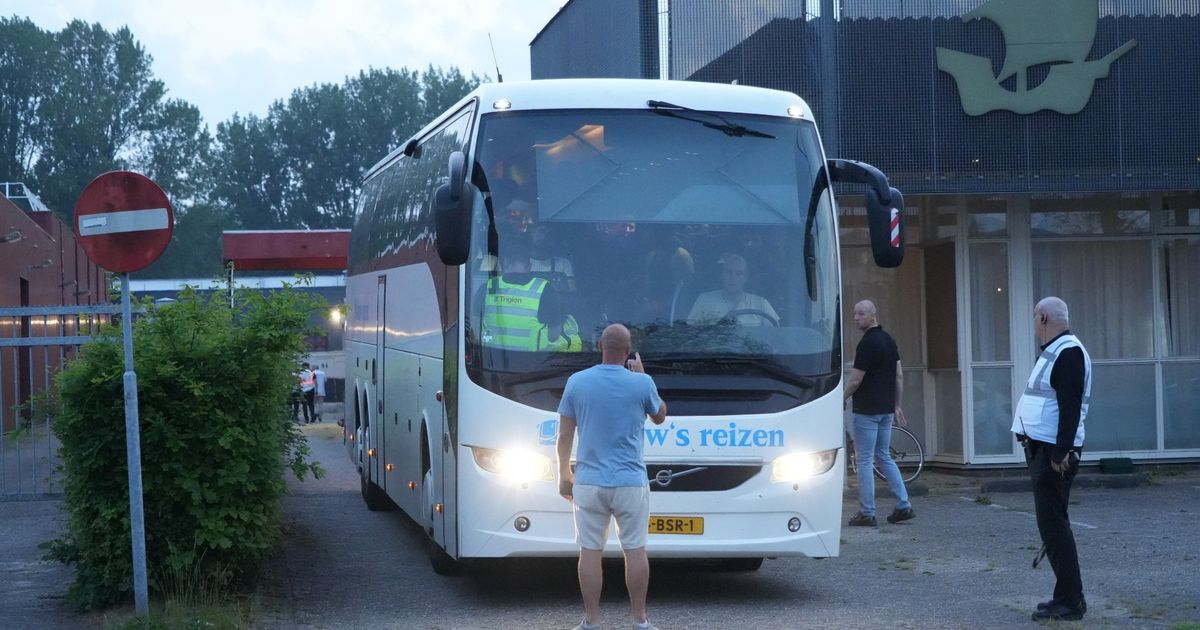
Groningen Provides Temporary Night Shelter for Asylum Seekers from Ter Apel
As of May 23, 2026, the city of Groningen has begun providing emergency overnight shelter to asylum seekers, following the arrival of two buses from the overcrowded Ter Apel registration center. This intervention addresses the critical capacity crisis in the municipality of Westerwolde, where legal registration limits are persistently exceeded.
A Regional Response to Systemic Overcrowding
The situation in Ter Apel—the primary entry point for asylum seekers in the Netherlands—has reached a point of chronic instability. Despite a strict regulatory cap of 2,000 residents, the facility has operated above this threshold almost daily. This persistent failure to adhere to capacity mandates has triggered significant financial and logistical consequences for the Dutch government, including millions of euros in fines paid to municipalities.

The decision to utilize Groningen city as a pressure-relief valve for the Ter Apel facility reflects the broader, ongoing struggle of the Dutch asylum system to manage intake volumes. Local officials and regional administrators, including King’s Commissioner René Paas, have acknowledged the necessity of this intervention to manage the immediate human needs of those arriving at the border.
For municipal governments and regional stakeholders, the challenge is twofold: maintaining humanitarian standards while navigating an increasingly complex legal and administrative landscape. The accumulation of millions of euros in penalties highlights the urgent need for administrative and public law experts who can assist municipalities in navigating these complex regulatory disputes and inter-agency agreements.
The Anatomy of the Crisis
The crisis is not merely a matter of logistics; it is a profound test of regional cooperation. The reliance on emergency shelters—often in repurposed buildings or temporary facilities—creates significant strain on local infrastructure. As the facility in Ter Apel continues to serve as the funnel for the entire nation’s asylum intake, the surrounding regions are forced to absorb the overflow.

This reality has necessitated a shift in how local authorities approach emergency housing. Beyond the immediate need for shelter, there is a growing requirement for professional oversight in facility management. Organizations tasked with operating these sites often require specialized support to ensure compliance with safety standards and permit requirements, as evidenced by the ongoing legal disputes over facilities with expired agreements in other provinces.
Securing reliable facility management and emergency infrastructure providers is now a critical priority for municipalities facing sudden, high-volume influxes of temporary residents. Without rigorous professional management, the risks of permit expiration and regulatory non-compliance—which carry hefty daily fines—become inevitable.
Long-term Implications for Dutch Municipalities
The financial burden of the asylum crisis is becoming a permanent feature of local government balance sheets. With the central agency responsible for reception frequently defaulting on its obligations, local governments are finding themselves in a position where they must act as both service providers and litigants. This requires a sophisticated approach to public policy and municipal consulting to ensure that the costs of these emergency measures do not cripple long-term local development.
The structural reliance on emergency, short-term solutions is unsustainable. It forces a reactive posture upon local governments, where the priority shifts from long-term planning to daily crisis management.
The arrival of buses in Groningen is a symptom of a larger, systemic bottleneck. As the central registration center remains unable to process or house individuals within its legal capacity, the “spillover” effect will continue to reach further into provincial centers. For city leaders, the focus is shifting toward creating resilient networks that can handle these surges without compromising the stability of existing municipal services.
Navigating the Regulatory Minefield
The legal landscape surrounding the reception of asylum seekers is increasingly hostile. Municipalities that host these facilities are subject to intense scrutiny regarding zoning, permits and human rights standards. As the total fines paid by the national asylum agency climb, the pressure on local leaders to secure ironclad agreements is mounting.
This environment necessitates the involvement of seasoned legal counsel. When a municipality enters into an agreement to host an emergency shelter, the terms of the contract—including the duration of the permit and the penalties for non-compliance—must be meticulously drafted. Failing to do so can lead to significant budgetary deficits, as seen in the ongoing disputes involving facilities that remain operational beyond their legal expiration dates.
The path forward for Groningen and other affected municipalities involves a delicate balancing act. They must serve as a bridge during times of acute distress while ensuring that the legal and fiscal responsibility for these measures remains clearly defined. As these events continue to unfold, the role of expert oversight in managing the intersection of humanitarian aid and municipal law will only become more pronounced.
The situation remains fluid. As of late May 2026, the focus in Groningen is on immediate stabilization, but the broader question of how the Netherlands will manage its asylum intake remains an open, and increasingly expensive, challenge for every level of government.
For municipal leaders and agencies seeking to navigate the complex legal and logistical requirements of emergency infrastructure, the World Today News Directory offers a curated list of specialized legal counsel and emergency infrastructure management firms equipped to handle the demands of rapidly evolving civic crises.