
“`html
The Greenland Shark: A Masterclass in Longevity
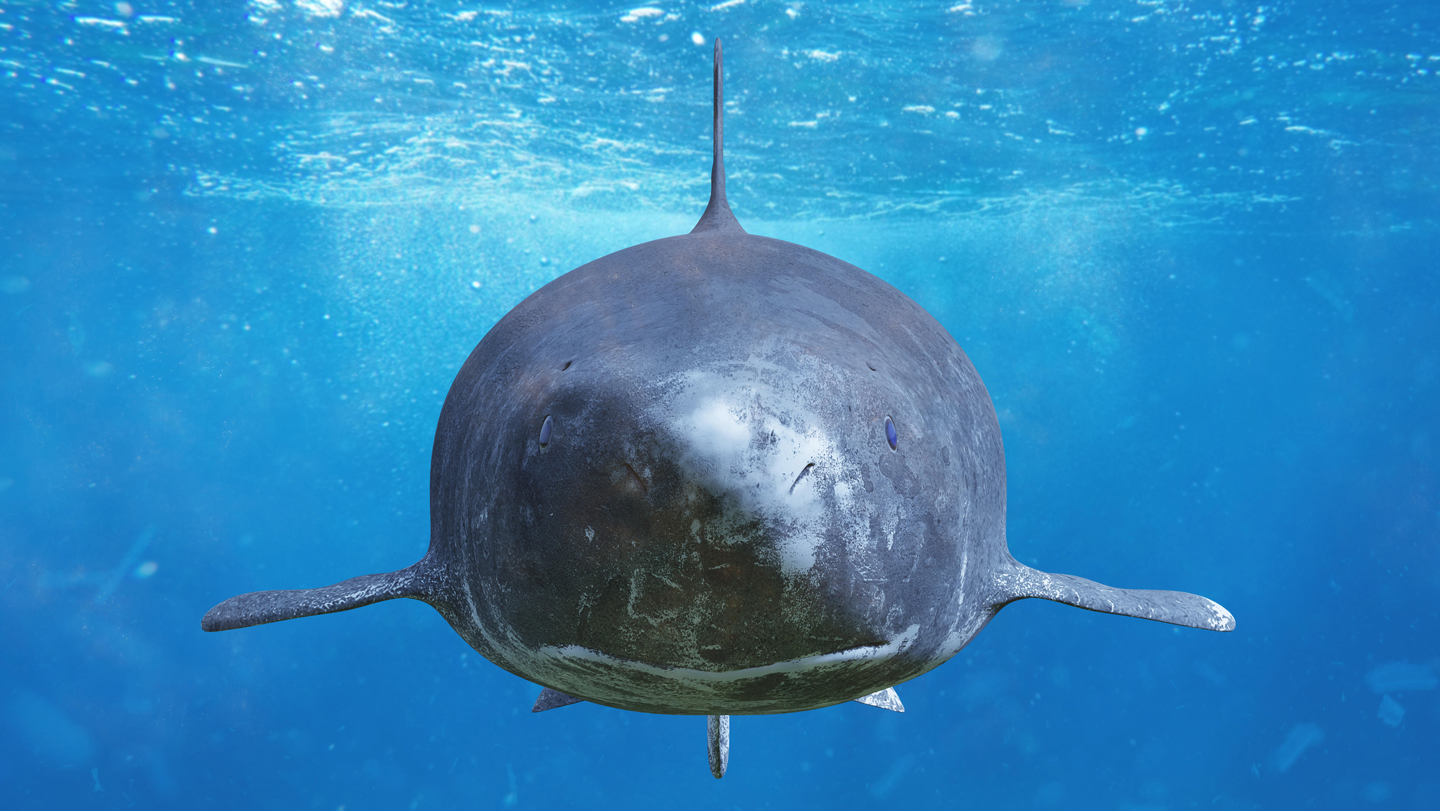
When it comes to defying the biological constraints of aging, humans could learn a great deal from the Greenland shark (Somniosus microcephalus). These enigmatic creatures, inhabiting the frigid waters of the North Atlantic and Arctic Oceans, boast an remarkable lifespan – perhaps exceeding 500 years, making them the longest-lived vertebrate known to science.
Unveiling the secrets of a Long Life
For decades, scientists underestimated the age of Greenland sharks. Customary methods of determining age, like counting growth rings in bones, proved unreliable due to the sharks’ incredibly slow growth rate. A groundbreaking 2016 study, published in the journal Science, revolutionized our understanding. Researchers, led by marine biologist Julius Nielsen at the University of Copenhagen, utilized radiocarbon dating of the sharks’ eye lenses to accurately estimate their age. Source: Science
The study revealed that Greenland sharks don’t reach sexual maturity until around 150 years old,and some individuals were estimated to be over 400 years old,with the oldest specimen dated to approximately 512 years old (with a margin of error of plus or minus 120 years).This remarkable longevity begs the question: what makes these sharks so resilient to the ravages of time?
Slow and steady Wins the Race
Several factors contribute to the Greenland shark’s exceptional lifespan. A key element is their incredibly slow metabolism. Living in the cold, dark depths of the ocean requires minimal energy expenditure.This slow metabolic rate translates to slower cellular damage and a reduced accumulation of age-related toxins.
- Reduced DNA Damage: A slower metabolism means less oxidative stress,which minimizes damage to DNA.
- Efficient DNA Repair: Greenland sharks possess highly efficient DNA repair mechanisms, further protecting their genetic code. Source: National Geographic
- Unique Collagen Structure: Their cartilage contains a unique collagen structure that provides exceptional stability and resilience, potentially protecting against age-related deterioration.
Beyond Longevity: unique Adaptations
The Greenland shark isn’t just long-lived; it’s also uniquely adapted to its harsh habitat. These sharks are nearly blind due to a parasitic copepod,Ommatokoita elongata,that attaches to their corneas.While this might seem detrimental, the shark doesn’t rely heavily on vision in the dark depths where it hunts. Instead, they primarily use their sense of smell and electroreception to locate prey.
Their diet consists largely of fish, seals, and even polar bears. Interestingly, the flesh of Greenland sharks contains high concentrations of trimethylamine oxide (TMAO), a chemical that helps stabilize proteins and prevent them from freezing in the icy waters. however, this TMAO also makes the shark’s meat toxic to humans unless properly fermented for several months – a traditional practice in Iceland and Greenland.
Implications for Human Aging Research
The Greenland shark’s remarkable longevity isn’t just a biological curiosity; it holds potential clues for understanding and potentially slowing down the aging process in humans. Researchers are actively studying the shark’s genome and physiological mechanisms to identify genes and pathways involved in DNA repair, metabolic regulation, and cellular protection.
While directly translating these findings to humans is a complex challenge, understanding how Greenland sharks maintain cellular integrity over centuries could pave the way for new therapies and interventions aimed at extending human healthspan – the period of life spent in good health.
Key Takeaways
- Greenland sharks are the longest-lived vertebrate, with a potential lifespan exceeding 500 years.
- Their longevity is linked to a slow metabolism, efficient DNA repair mechanisms, and a unique collagen structure.
- These sharks have adapted to the harsh Arctic environment with unique sensory adaptations and a diet rich in TMAO.
- Studying Greenland sharks could provide valuable insights into the mechanisms of aging and potential strategies for extending human healthspan.
The Greenland shark remains a interesting subject of ongoing research. As scientists continue to unravel the mysteries of its extraordinary lifespan, we may unlock valuable knowledge that could ultimately benefit human health and longevity. The future of aging research may very well lie in the icy depths of the North Atlantic, guided by the wisdom of this ancient predator.
